
- Mon - Sat : 5:30 - 8:30
- Sunday - CLOSED
- +91 99304 53556
- drshridhargpadagatti@gmail.com
- Khar(W), Mumbai
- 001, Himath Ghar
stop smoking
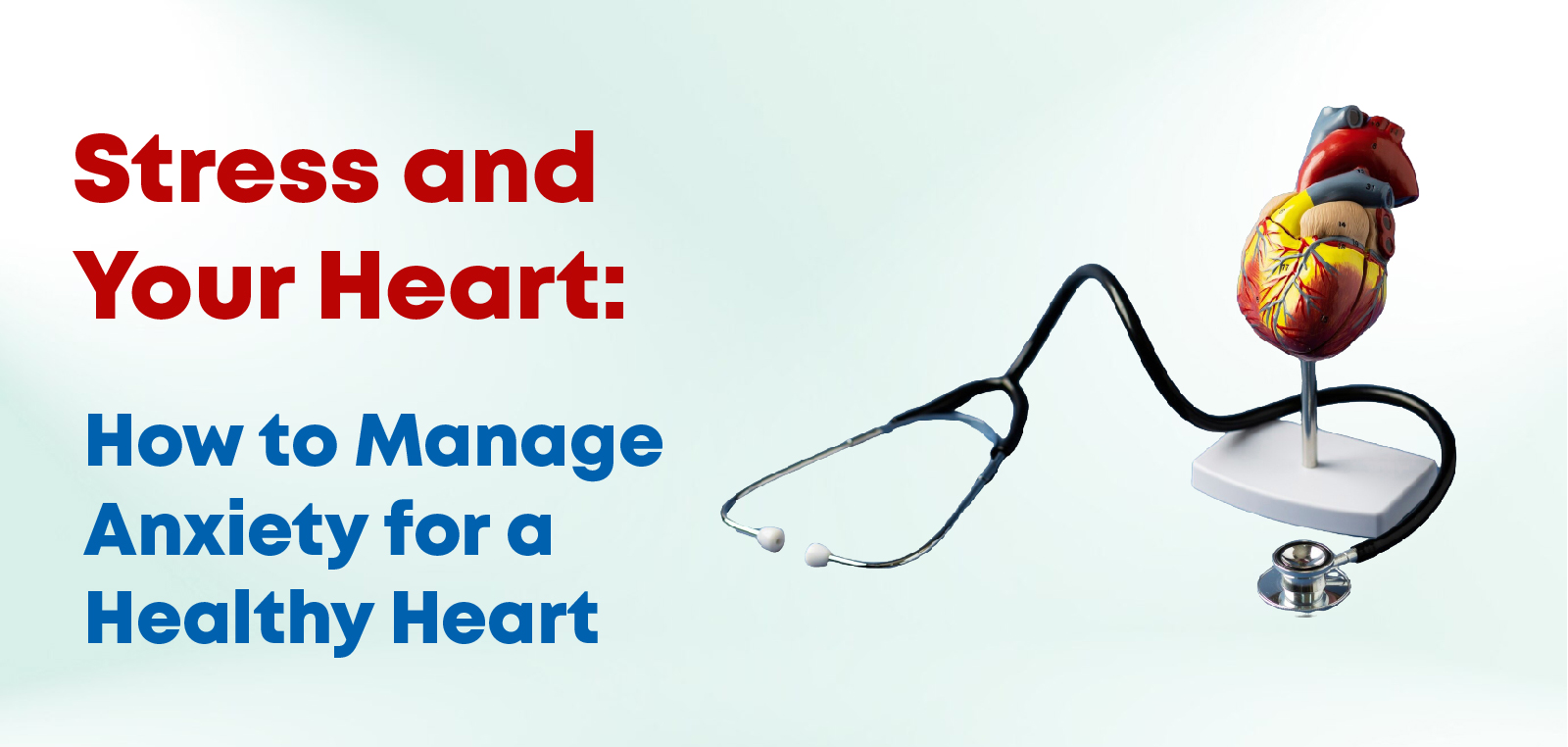
Stress and Your Heart: How to Manage Anxiety for a Healthy Heart
Stress and Your Heart: How to Manage Anxiety for a Healthy Heart Modern life can be fast-paced, demanding, and often overwhelming. From juggling professional responsibilities to managing personal commitments, stress has become a constant companion for many. While occasional stress is a normal part of life, chronic stress can take a toll on your overall health—particularly your heart. At Active Heart Clinic, Dr. Shridhar Padagatti emphasizes the importance of understanding how stress affects your heart and adopting effective strategies to manage anxiety for a healthier life. The Connection Between Stress and Heart Health Your body is designed to respond to stress through a natural “fight-or-flight” mechanism. During stressful situations, your body releases hormones like adrenaline and cortisol, which increase your heart rate, blood pressure, and energy levels. While this response can be beneficial in short bursts, prolonged stress keeps your body in overdrive, putting excessive strain on your cardiovascular system. Here’s how chronic stress impacts your heart: Increased Heart Rate and Blood Pressure: Prolonged stress raises your blood pressure, which can damage arteries over time and increase the risk of heart attacks or strokes. Elevated Risk of Inflammation: Stress triggers inflammatory responses in the body, contributing to plaque buildup in the arteries, leading to atherosclerosis. Unhealthy Coping Mechanisms: Stress often leads to unhealthy behaviors like overeating, smoking, or excessive alcohol consumption—all of which harm your heart. Heart Rhythm Disorders: Chronic stress and anxiety can lead to arrhythmias (irregular heartbeats), which may escalate into more severe conditions. Signs That Stress Is Affecting Your Heart It’s crucial to recognize when stress is impacting your cardiovascular health. Common warning signs include: Frequent chest pain or tightness Increased heart rate or palpitations Difficulty sleeping or chronic fatigue Frequent headaches or migraines Shortness of breath, even during light physical activity If you experience any of these symptoms, consult a heart specialist like Dr. Shridhar Padagatti to assess your heart health and develop a treatment plan tailored to your needs. How to Manage Anxiety for a Healthy Heart Practice Mindfulness: Spend 10 minutes daily on deep breathing or meditation to calm your mind. Stay Active: Aim for 30 minutes of moderate exercise, like walking or yoga, five times a week. Eat a Balanced Diet: Include leafy greens, omega-3-rich fish, whole grains, and berries. Avoid processed foods and high-sodium snacks. Prioritize Sleep: Stick to a regular sleep schedule and create a calming bedtime routine. Build Social Connections: Spend time with loved ones for emotional support and stress relief. Limit Alcohol and Caffeine: Replace sugary drinks with herbal teas and moderate alcohol intake. Seek Professional Help: Consult a therapist or stress management expert when needed. Why Choose Active Heart Clinic for Stress-Related Heart Care At Active Heart Clinic, we believe in a holistic approach to heart health. Dr. Shridhar Padagatti and his expert team understand that managing stress is an integral part of maintaining a healthy heart. Whether it’s through lifestyle counseling, medical interventions, or advanced diagnostic services, we’re here to support you at every step of your journey to better health. Conclusion Stress is an inevitable part of life, but it doesn’t have to control your heart health. By incorporating mindfulness practices, staying active, eating a balanced diet, and prioritizing self-care, you can significantly reduce anxiety and protect your heart. If you’re concerned about how stress is affecting your heart, visit Active Heart Clinic today. Let us help you take proactive steps toward a stress-free and heart-healthy life Address – 001, Himath Ghar. Plot No. 539-A Opp Khatri Manzil 13th Road Khar (W) Email: drshridhargpadagatti@gmail.com Contact No. +91 99304 53556
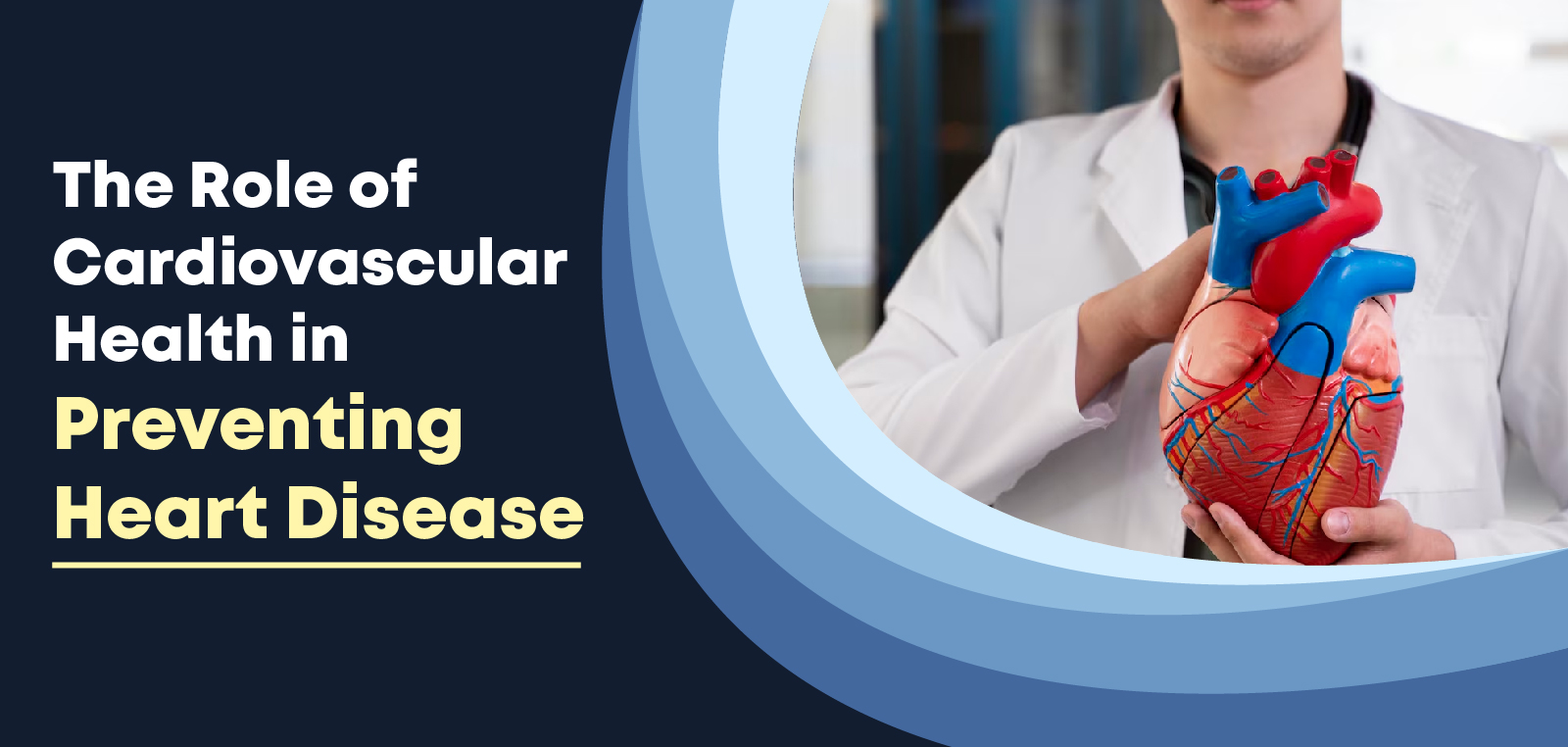
The Role of Cardiovascular Health in Preventing Heart Disease
The Role of Cardiovascular Health in Preventing Heart Disease Heart disease is the leading cause of death worldwide, but it is largely preventable. At the core of heart disease prevention is cardiovascular health, which encompasses the well-being of the heart and blood vessels. Understanding the importance of cardiovascular health, the factors that influence it, and ways to maintain it can empower individuals to lead healthier, longer lives. At Active Heart Clinic, under the expertise of Dr. Shridhar G. Padagatti, patients receive comprehensive care and guidance for managing and improving cardiovascular health. This blog explores how cardiovascular health impacts heart disease prevention and provides actionable tips to keep your heart strong. What is Cardiovascular Health? Cardiovascular health refers to the optimal functioning of the heart and blood vessels. A healthy cardiovascular system efficiently pumps blood, delivering oxygen and nutrients to the body’s tissues while removing waste products. Good cardiovascular health lowers the risk of developing conditions such as: Coronary artery disease (CAD) – Hypertension (high blood pressure) Stroke – Heart failure Several measurable factors define cardiovascular health, including: Blood Pressure: Maintaining normal blood pressure (<120/80 mmHg) reduces strain on the heart and arteries. Cholesterol Levels: Healthy cholesterol levels prevent plaque buildup in arteries. Blood Sugar Levels: Controlled blood glucose minimizes damage to blood vessels. Body Weight: A healthy weight reduces the risk of heart disease. Physical Activity: Regular exercise strengthens the heart and improves circulation. Diet: Nutrient-rich foods support overall cardiovascular health. How Cardiovascular Health Prevents Heart Disease Prevention of Atherosclerosis Atherosclerosis, or the hardening of arteries due to plaque buildup, is a major cause of heart disease. Healthy cholesterol levels and a balanced diet prevent plaque formation, ensuring smooth blood flow. Reduction in Hypertension Risk High blood pressure strains the heart and damages arteries, increasing the risk of heart attacks and strokes. Cardiovascular fitness achieved through exercise and weight management keeps blood pressure in check. Better Blood Circulation A strong cardiovascular system ensures efficient blood circulation, reducing the risk of ischemic conditions like heart attacks and angina. Improved Heart Muscle Function Regular physical activity strengthens the heart muscle, improving its efficiency and reducing the likelihood of heart failure. Lower Inflammation Levels Chronic inflammation can damage blood vessels and contribute to heart disease. A heart-healthy lifestyle minimizes inflammation, reducing overall risk. Risk Factors Affecting Cardiovascular Health Unhealthy Diet Diets high in saturated fats, trans fats, sugar, and salt can lead to obesity, hypertension, and high cholesterol. Sedentary Lifestyle Physical inactivity contributes to obesity, weakens the heart muscle, and increases the risk of metabolic disorders. Smoking and Excessive Alcohol Smoking damages blood vessels, while excessive alcohol raises blood pressure and weakens the heart. Stress and Sleep Deprivation Chronic stress and inadequate sleep disrupt hormonal balance, increasing the risk of hypertension and heart disease. Genetics and Age A family history of heart disease or advanced age can increase risk, but a healthy lifestyle can mitigate these factors. Tips for Maintaining Cardiovascular Health Adopt a Heart-Healthy Diet Emphasize fruits, vegetables, whole grains, lean proteins, and healthy fats (like omega-3 fatty acids). Reduce sodium and processed sugar intake. Stay Physically Active Aim for at least 150 minutes of moderate aerobic activity weekly, such as brisk walking, swimming, or cycling. Incorporate strength training exercises twice a week. Monitor Key Health Metrics Regularly check your blood pressure, cholesterol, and blood sugar levels. Seek medical advice for abnormal readings. Quit Smoking Smoking cessation improves blood circulation and reduces the risk of heart disease within weeks. Manage Stress Practice relaxation techniques like yoga, meditation, or deep breathing exercises. Stay connected with friends and family for emotional support. Sleep Well Aim for 7-9 hours of quality sleep each night to allow your body to recover and repair. Limit Alcohol Consumption Keep alcohol intake moderate, with no more than one drink per day for women and two for men. The Role of Regular Check-Ups Preventive healthcare plays a crucial role in cardiovascular health. Regular screenings help detect issues like hypertension, high cholesterol, or prediabetes before they lead to severe complications. At Active Heart Clinic, Dr. Shridhar G. Padagatti emphasizes early intervention and personalized treatment plans to address individual risk factors. Address – 001, Himath Ghar. Plot No. 539-A Opp Khatri Manzil 13th Road Khar (W) Email: drshridhargpadagatti@gmail.com Contact No. +91 99304 53556
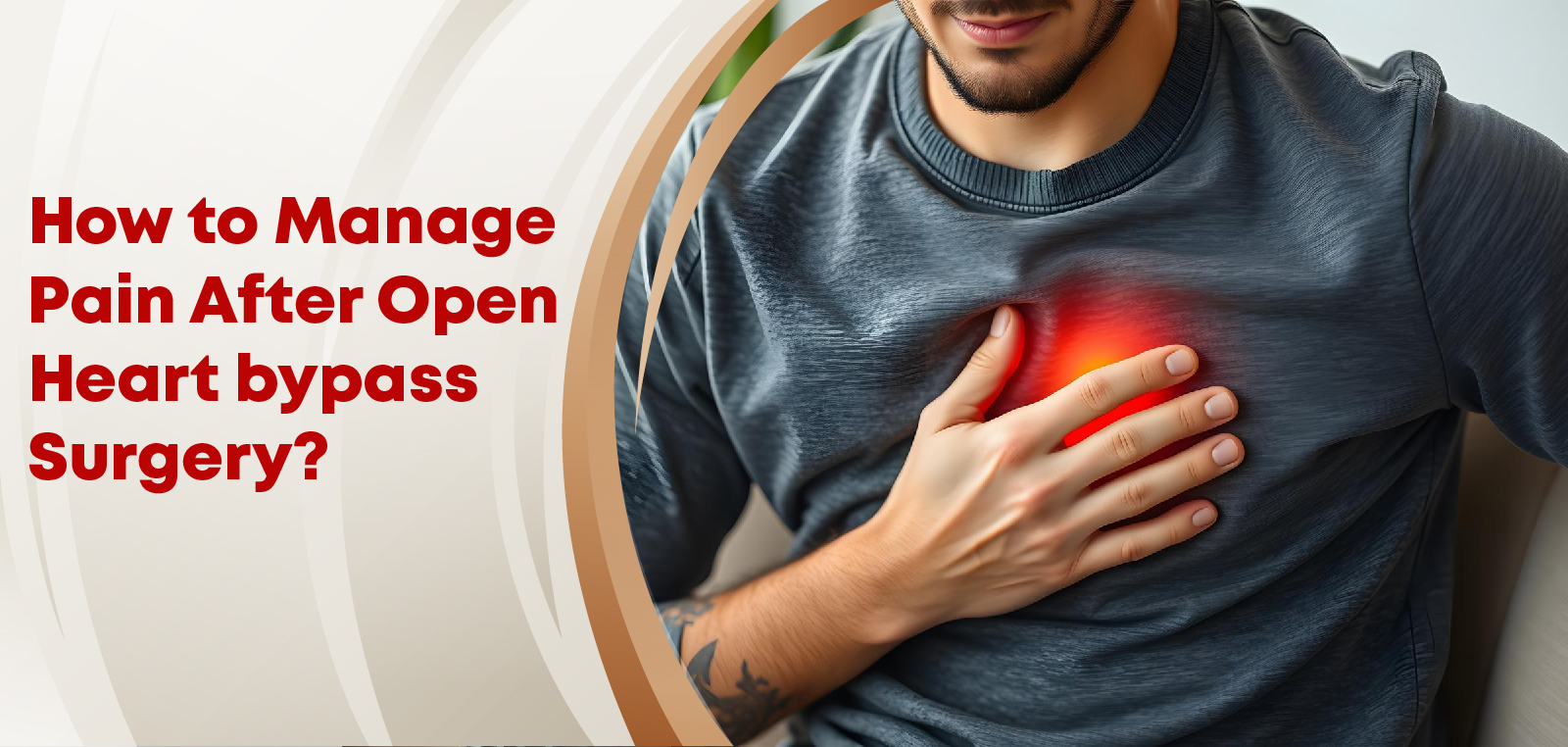
How to Manage Pain After Open Heart Bypass Surgery
How to Manage Pain After Open Heart Bypass Surgery “Open-heart bypass surgery is a major procedure performed to relieve severe coronary artery blockages that hinder blood flow to the heart. This process creates an alternative route for blood to bypass obstructed arteries, often blocked by plaque—a combination of calcium, cholesterol, and other substances. When plaque builds up along arterial walls, blood flow to the heart muscle reduces, which can lead to conditions like angina or severe heart attacks. For those with advanced coronary artery disease or ineffective treatments through medication or lifestyle adjustments, bypass surgery may be essential.” Given the significance of this surgery, proper post-operative pain management is critical to ensure a safe and effective recovery. This guide provides insights on managing pain after bypass surgery to facilitate a smoother healing journey. Why Pain Management is Essential After Bypass Surgery Effective pain management post-surgery can significantly boost your recovery rate. A well-planned pain management strategy will not only help you begin physical exercises like walking and breathing routines sooner but can also lower the risk of post-operative complications. By following a pain management routine, you can gain control over your recovery and gradually rebuild strength, ultimately supporting your heart health and overall well-being. Types of Pain You May Experience After Bypass Surgery Pain levels and locations may vary from person to person, but some common post-operative discomforts include: 1) Muscle Pain: Due to the nature of the procedure, you might feel discomfort in your neck, shoulders, or back. 2) Chest Pain: The insertion of chest tubes during surgery may lead to soreness in the chest area. 3) Surgical Site Pain: It’s normal to experience mild to moderate pain around the incision site as it begins to heal. Precautions to Follow After Bypass Surgery To improve recovery after heart bypass surgery, it’s essential to adhere to specific precautionary measures: 1) Take Prescribed Medications: Your doctor will likely prescribe new medications post-surgery. Painkillers, in particular, should be taken as advised to manage discomfort, especially before engaging in physical activity. 2) Avoid Infections at the Incision Site: Keeping the surgical wound clean and dry can prevent infections. Gently cleanse the area with an antimicrobial as per your doctor’s instructions. 3)Resume Physical Activity Gradually: Start with light physical activities under medical supervision. Avoid lifting heavy items or standing for long periods. Always consult with your chest pain doctor if you experience any discomfort. 4) Prioritize a Heart-Healthy Diet: A nutritious diet plays a vital role in recovery. Although appetite may initially decrease, it’s essential to eat well-balanced meals, cutting back on saturated fats, sugars, and processed foods. 5) Care for Your Mental Health: Recovery often involves prolonged bed rest, which may lead to feelings of frustration or mental fatigue. Journaling, meditation, or engaging in light activities that you enjoy can improve your mental well-being 6) Ease Into Activities Like Driving: After about six to eight weeks, you may be ready to return to light activities like driving. However, be sure to consult your doctor before engaging in strenuous tasks, and avoid pushing or pulling heavy objects until fully cleared. 7) Prioritize Rest and Sleep: Proper sleep can be challenging after surgery, but it’s essential. Taking your pain medications around 30 minutes before bedtime may help, as can establishing a regular nighttime routine. Avoid caffeine in the evening and consider listening to calming music to help signal to your body that it’s time for sleep Important Takeaways Recovery from coronary bypass surgery typically takes three to four months, depending on the severity of the procedure. By following a personalized recovery plan and making lifestyle adjustments, you can enhance your recovery experience. Long-term heart health also depends on maintaining a healthy lifestyle, including regular exercise, balanced nutrition, and monitoring for any recurrence of heart disease symptoms. If you or a loved one are considering or recovering from heart bypass surgery, consulting a trusted chest pain doctor can provide the tailored guidance and support necessary for a smooth recovery. Address – 001, Himath Ghar. Plot No. 539-A Opp Khatri Manzil 13th Road Khar (W) Email: drshridhargpadagatti@gmail.com Contact No. +91 99304 53556

Heart Health Essentials for 2024 – Celebrating World Heart Day
Heart Health Essentials for 2024: Celebrating World Heart Day No matter what birthday you’ll be celebrating in 2024, it’s the perfect time to start taking better care of your heart. Your heart is one of the most vital organs, responsible for pumping blood, supplying oxygen, and distributing essential nutrients throughout your body. Without proper care, your heart could face serious health challenges such as heart attacks, strokes, and heart failure. The World Health Organization (WHO) reports that cardiovascular disease (CVD) is the leading cause of death worldwide, with approximately 17.9 million deaths each year. Given the gravity of these numbers, raising awareness about heart health is crucial. World Heart Day, celebrated every year on September 29, encourages individuals to make healthier lifestyle choices and prioritize their heart health. At Active Heart Clinic, led by Dr. Shridhar G. Padagatti, we believe prevention is key to heart health. This comprehensive guide will help you protect your heart in 2024 and beyond. Tips for a Healthy Heart in 2024 Eat a Heart-Healthy Diet A balanced and nutritious diet is crucial for maintaining a healthy heart. Such a diet helps lower cholesterol, reduce inflammation, and control blood pressure. Here’s what to focus on: Fruits and Vegetables: Aim for at least five servings per day. These nutrient-rich foods are full of antioxidants, vitamins, and minerals. Whole Grains: Choose whole grains like brown rice, quinoa, and oats to maintain healthy cholesterol levels. Healthy Fats: Incorporate sources like salmon, avocados, nuts, and olive oil. Limit Processed Foods: Reduce consumption of high-fat meats, processed snacks, and sugary beverages. Be Physically Active Exercise is not only great for maintaining a healthy weight but also essential for keeping your heart strong. Regular physical activity reduces your risk of heart disease and promotes overall well-being. Set a Goal: Engage in at least 30 minutes of moderate exercise, such as brisk walking, five times a week. Strength Training: Include strength exercises at least two days a week to build muscle and support cardiovascular health. Find Enjoyable Activities: Dancing, hiking, swimming, or cycling can make staying active more fun. Small Changes: Incorporate movement into your day by taking the stairs or parking farther from your destination. Quit Smoking Smoking is a major risk factor for heart disease. If you are a smoker, quitting is one of the most impactful decisions you can make for your heart health. Quitting reduces your risk of cardiovascular disease and improves your overall health. Here are some tips to help you quit: Set a Quit Date: Commit to a specific day to quit and stick to it. Seek Support: Talk to friends, family, or a professional counselor for support. Avoid Triggers: Identify and avoid situations where you might be tempted to smoke. Celebrate Milestones: Reward yourself for achieving small goals, like going smoke-free for a week or a month. Limit Alcohol Consumption Moderation is key when it comes to alcohol. Excessive drinking can raise blood pressure and increase your risk of developing heart disease. Moderation: Stick to no more than one drink per day for women and two drinks for men. Alternate Beverages: Drink water or non-alcoholic beverages between alcoholic drinks. Avoid Binge Drinking: Practice moderation and avoid heavy drinking episodes. Maintain a Healthy Weight Carrying excess weight puts strain on your heart, raising your risk of heart disease. By maintaining a healthy weight, you can reduce this burden. Consult a Professional: Speak with your doctor to determine the ideal weight range for you. Steady Progress: Aim to lose 1-2 pounds per week through balanced eating and regular physical activity. Track Your Progress: Use a journal or app to monitor your weight loss journey. Manage Stress Chronic stress contributes to high blood pressure and inflammation, both of which are detrimental to heart health. Learning to manage stress effectively can significantly improve your heart health. Relaxation Techniques: Try meditation, deep breathing, or yoga. Engage in Hobbies: Take time for activities you enjoy, such as gardening, reading, or spending time with loved ones. Seek Help: If stress becomes overwhelming, consider professional help or support from friends and family. Prioritize Sleep Sleep is essential for overall health, especially heart health. Poor sleep patterns can contribute to high blood pressure and increased risk of heart disease. Set a Sleep Schedule: Stick to a regular sleep routine, even on weekends. Create a Relaxing Environment: Your bedroom should be quiet, dark, and cool to promote restful sleep. Limit Stimulants: Avoid caffeine, alcohol, and screen time before bed. Get Regular Check-Ups Regular check-ups are essential for monitoring your heart health. Blood pressure, cholesterol levels, and blood sugar should be checked periodically to detect potential risk factors early. Screenings: Blood pressure and cholesterol should be checked every 4-6 years for healthy adults, but more often if you have risk factors. Discuss with Your Doctor: Talk to your physician about your family history, lifestyle, and any concerns. Frequently Asked Questions How often should I have my heart health checked? Adults over 20 should have their blood pressure, cholesterol, and blood sugar levels checked at least every 4-6 years. More frequent check-ups may be necessary if you have a family history of heart disease or other risk factors. Is there a cure for heart disease? While heart disease cannot be cured, it can be managed with lifestyle changes, medication, and medical interventions. At Active Heart Clinic, Dr. Shridhar works with patients to create personalized treatment plans. What are the main risk factors for heart disease? Risk factors include smoking, poor diet, physical inactivity, excessive alcohol consumption, high blood pressure, high cholesterol, obesity, and diabetes. Family history also plays a role. Can I reverse damage to my heart caused by unhealthy habits? While it may not always be possible to reverse existing damage, you can significantly improve your heart health by adopting healthier habits like quitting smoking, exercising regularly, and eating well. How can I improve my cholesterol levels? Eating a balanced diet rich in fruits, vegetables, and whole grains, alongside regular physical activity, can lower cholesterol. In

World Heart Day
World Heart Day: How to Prioritize Your Heart Health Cardiovascular disease (CVD) is the leading cause of mortality worldwide, claiming approximately 17.9 million lives annually, according to the World Health Organization. These alarming statistics underline the critical importance of heart health. On World Heart Day, celebrated every year on September 29th, we have the perfect opportunity to reflect on how we can better care for our hearts. By making small, consistent changes, you can protect your heart and reduce the risk of CVD. Let’s explore some essential and actionable tips to live a heart-healthy lifestyle, free from the worries of heart disease. Understanding the Risk Factors The major risk factors for cardiovascular disease include high blood pressure, high cholesterol, and smoking. However, other health issues and habits can further increase your risk. Diabetes, obesity, poor diet, lack of physical activity, and excessive alcohol consumption can all contribute to heart disease. Identifying and managing these risks is vital to maintaining a healthy heart. Everyday Habits for a Healthy Heart Maintaining a healthy heart isn’t about making drastic changes overnight. It’s about adopting sustainable, daily habits that promote cardiovascular health. These five factors—diet, physical activity, smoking cessation, cholesterol control, and blood pressure management—have a significant influence on your heart’s health. Adopt a Heart-Healthy Diet Your diet plays a central role in heart health. Instead of focusing on individual foods, consider your overall eating patterns. A heart-healthy diet is low in saturated and trans fats, salt, and added sugars while being rich in whole grains, antioxidants, fiber, and healthy fats. Here are some heart-healthy dietary tips: Increase Your Fruit and Vegetable Intake: A diet rich in a variety of fruits and vegetables can lower your risk of heart disease. These foods are packed with essential vitamins, minerals, and fiber that support overall health. Make the Switch to Whole Grains: Whole grains such as oats, brown rice, and whole wheat bread are higher in dietary fiber and essential nutrients like vitamin E and B vitamins compared to their refined counterparts. These nutrients help regulate cholesterol levels and promote heart health. Choose Healthy Fats: Not all fats are bad for your heart. Monounsaturated and polyunsaturated fats, found in avocados, nuts, seeds, and fish, are beneficial for heart health. These fats help reduce cholesterol levels and inflammation, reducing the risk of heart disease. Reduce Salt Intake: Too much salt in your diet can raise your blood pressure, which is a major risk factor for heart disease. Instead of salt, use herbs and spices to flavor your food. This simple switch can protect your heart without sacrificing taste. Make Physical Activity a Priority Regular physical activity is essential for heart health. Exercise helps lower your blood pressure, improve cholesterol levels, and reduce the risk of heart disease. You don’t need to be an athlete to benefit from physical activity—any movement is better than none. Increase Your Movement: Whether it’s taking the stairs, going for a short walk, or standing while working, small increases in daily movement can make a big difference. Set Achievable Goals: Start with small, realistic goals like a 10-minute walk each day. Over time, work your way up to 30-60 minutes of moderate-intensity exercise, such as brisk walking, most days of the week. Choose Activities You Enjoy: You’re more likely to stick with physical activity if you enjoy it. Whether it’s dancing, cycling, or playing a sport, find an activity that makes you feel good. Join Social Activities: Exercising with friends, family, or even a pet can make physical activity more enjoyable and help keep you motivated. Some heart-healthy exercises to consider include swimming, strength training, tai chi, walking, and even kegel exercises. Each of these activities helps improve cardiovascular health, muscle strength, and overall well-being. Stop Smoking Smoking is one of the leading preventable causes of heart disease. It damages the lining of your arteries, increases blood pressure, and reduces oxygen in the blood, all of which raise your risk of heart attack and stroke. If you smoke, quitting is the single most important thing you can do to improve your heart health. Manage Cholesterol and Blood Pressure High cholesterol and high blood pressure are silent killers, often with no symptoms until significant damage has been done. Regular check-ups and monitoring of these levels are critical to preventing heart disease. Lifestyle changes like eating a heart-healthy diet and exercising can help keep your cholesterol and blood pressure in check. If necessary, your doctor may prescribe medication to help control these levels Take Action Today for a Healthier Tomorrow World Heart Day serves as a reminder that taking care of your heart is a lifelong commitment. By making small, consistent changes to your daily routine—such as improving your diet, increasing your activity level, quitting smoking, and monitoring your cholesterol and blood pressure—you can significantly reduce your risk of heart disease. At Active Heart Clinic, we’re committed to helping you prioritize your heart health. Dr. Shridhar G. Padagatti, an experienced cardio thoracic vascular surgeon, is dedicated to providing comprehensive cardiovascular care to his patients. Dr. Shridhar has a rich background in cardiovascular surgery, having completed his MBBS at JNMC, Belgaum, and further specializing in Cardiovascular and Thoracic Surgery from Seth GS Medical College and KEM Hospital, Mumbai. His work at leading hospitals across Mumbai, including P.D. Hinduja Hospital and Holy Spirit Hospital, has earned him a stellar reputation. If you’re concerned about your heart health or want to learn more about how to maintain a healthy heart, contact Active Heart Clinic today to schedule a consultation with Dr. Shridhar. This World Heart Day, take the first step towards a healthier, happier heart. Address – 001, Himath Ghar. Plot No. 539-A Opp Khatri Manzil 13th Road Khar (W) Email: drshridhargpadagatti@gmail.com Contact No. +91 99304 53556