
- Mon - Sat : 5:30 - 8:30
- Sunday - CLOSED
- +91 99304 53556
- drshridhargpadagatti@gmail.com
- Khar(W), Mumbai
- 001, Himath Ghar
Archive for 2025
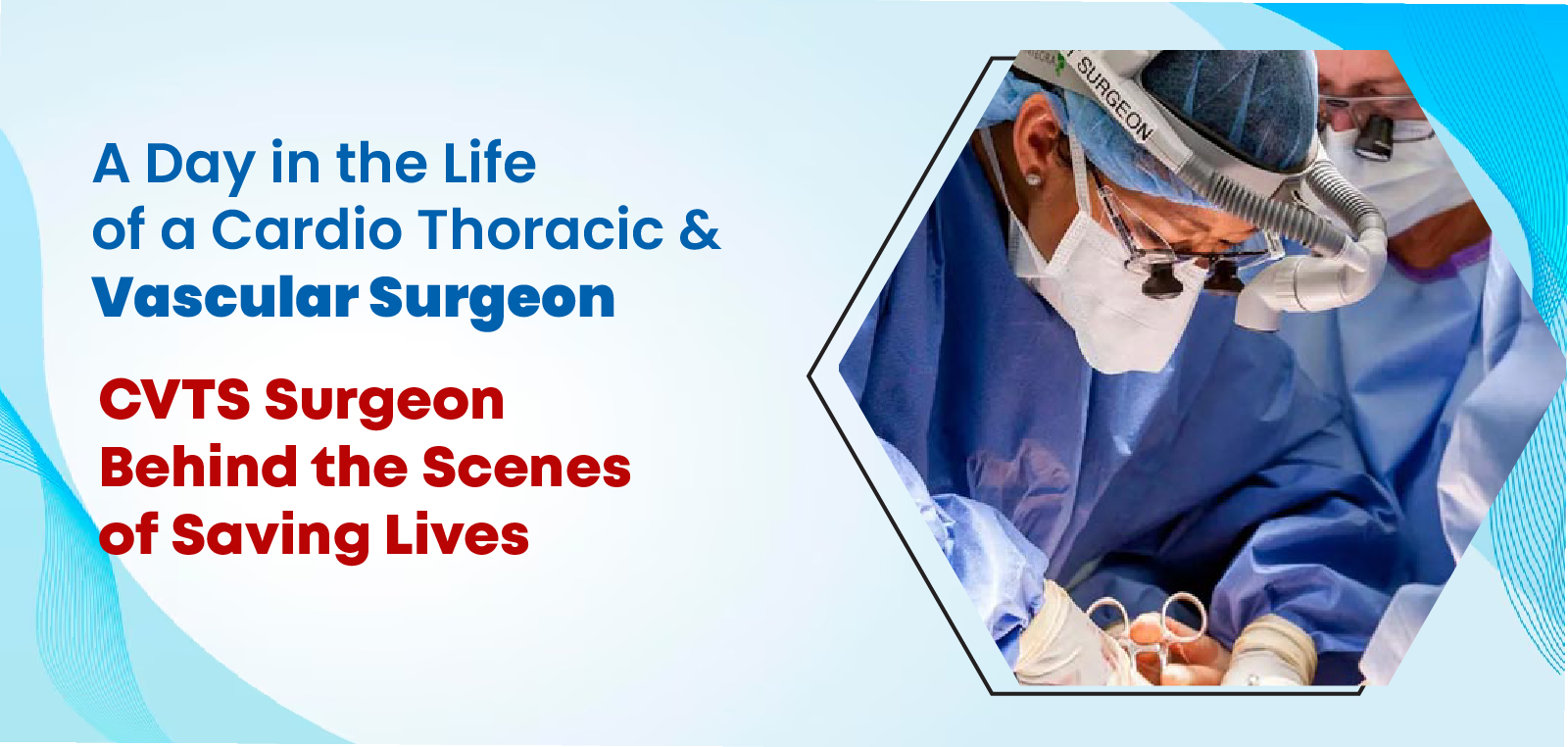
A Day in the Life of a Cardio Thoracic and Vascular Surgeon
A Day in the Life of a Cardio Thoracic and Vascular Surgeon (CVTS Surgeon): Behind the Scenes of Saving Lives Behind every life saved in the operating room lies the dedication, precision, and unwavering focus of a cardio-thoracic and vascular surgeon (CVTS surgeon). Their work involves a unique combination of skill, empathy, and resilience. Today, let’s take a closer look at a day in the life of Dr. Shridhar Padagatti, a renowned CVTS surgeon at Active Heart Clinic, to understand the immense dedication behind saving lives. Early Morning: Preparation for a Day of Challenges The day begins before sunrise for Dr. Padagatti. He starts his morning with some light exercise, yoga, or meditation to maintain physical fitness and mental clarity – both essential for someone working in high-pressure environments. By 7:00 AM, he’s at the clinic or hospital, reviewing patient cases and test results with his team. From angiograms to echocardiograms, every detail of a patient’s heart and vascular health is carefully analyzed to craft the best surgical strategy. 8:00 AM: Patient Consultations and Pre-Operative Rounds Before entering the operating room, Dr. Padagatti meets with patients and their families. Whether it’s explaining the details of an upcoming heart valve replacement or calming the anxieties of someone facing bypass surgery, these conversations require a balance of technical knowledge and empathy. Pre-operative rounds follow, where he checks on patients admitted for surgery. Discussions with the anesthesiology team and surgical nurses ensure everyone is aligned for a successful procedure. 9:00 AM to Early Afternoon: Time in the Operating Room The heart of a CVTS surgeon’s day lies in the operating room. This is where precision meets skill, and every decision can be life-changing. Dr. Padagatti might perform a range of procedures, including: Coronary Artery Bypass Surgery: Creating a detour around blocked arteries. Valve Replacement or Repair: Fixing or replacing damaged heart valves to restore blood flow. Aortic Aneurysm Repair: Preventing life-threatening ruptures. Vascular Surgeries: Addressing blockages or complications in peripheral arteries. Each surgery can last several hours, requiring intense concentration, teamwork, and meticulous technique. Between procedures, there’s barely time for a quick snack or hydration break. 2:00 PM: Post-Surgery Updates and Patient Monitoring Once surgeries are complete, Dr. Padagatti ensures patients are stable and briefs their families. Providing reassurance to anxious families is as important as the surgery itself, as they are often overwhelmed with concern for their loved ones. Post-operative care is crucial, so he works closely with the ICU team to monitor patients and adjust treatment plans as needed. Afternoon: Follow-Up Appointments and Outpatient Care The later part of the day is dedicated to outpatient consultations. Dr. Padagatti sees patients recovering from surgery, offering guidance on rehabilitation, lifestyle changes, and medications. He also meets with individuals managing chronic heart or vascular conditions, such as hypertension, varicose veins, or peripheral artery disease. Each case requires a personalized approach, as no two patients are the same. Late Evening: Time to Recharge After a long and demanding day, Dr. Padagatti winds down by spending quality time with his family. Whether it’s sharing a meal, reading, or reflecting on the day, this time is vital to recharge for the challenges ahead. The Unsung Heroes: A Look Beyond the Scalpel While the surgeries and consultations form the visible part of a CVTS surgeon’s work, the mental and emotional toll is often invisible. The responsibility of holding a person’s life in your hands, making critical decisions in seconds, and comforting families through uncertain times is immense. Dr. Shridhar Padagatti’s journey as a CVTS surgeon at Active Heart Clinic is not just a testament to medical expertise but also to the resilience and compassion that define true healers. Inspiring the Next Generation For aspiring medical professionals, the life of a CVTS surgeon might seem overwhelming. But as Dr. Padagatti often says, “There’s no greater reward than seeing a heart beat stronger and a life saved because of your work.” If you’re inspired by his journey and want to learn more about cardiovascular health, or if you’re seeking expert advice for yourself or a loved one, visit Active Heart Clinic. Your heart deserves the best care! Address – 001, Himath Ghar. Plot No. 539-A Opp Khatri Manzil 13th Road Khar (W) Email: drshridhargpadagatti@gmail.com Contact No. +91 99304 53556
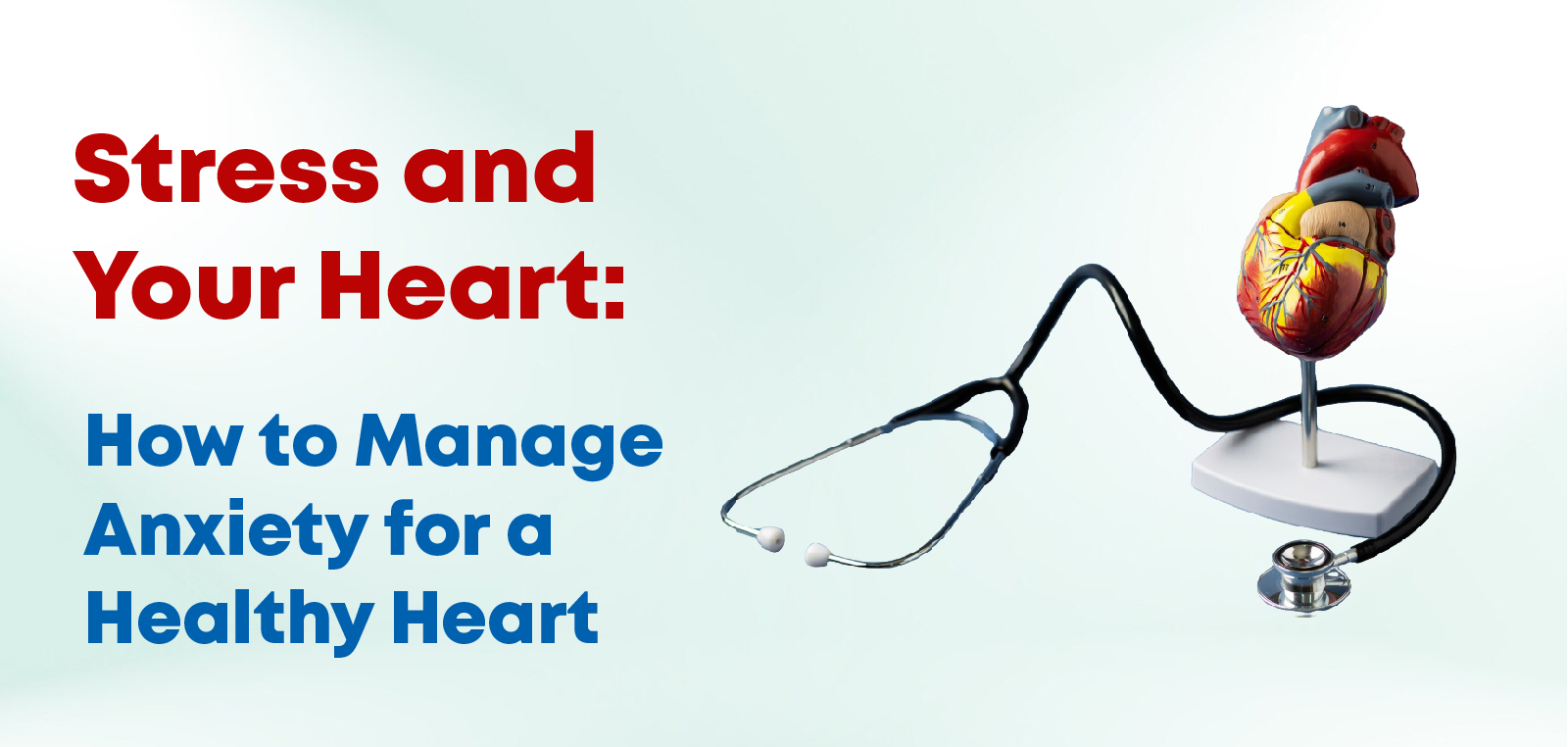
Stress and Your Heart: How to Manage Anxiety for a Healthy Heart
Stress and Your Heart: How to Manage Anxiety for a Healthy Heart Modern life can be fast-paced, demanding, and often overwhelming. From juggling professional responsibilities to managing personal commitments, stress has become a constant companion for many. While occasional stress is a normal part of life, chronic stress can take a toll on your overall health—particularly your heart. At Active Heart Clinic, Dr. Shridhar Padagatti emphasizes the importance of understanding how stress affects your heart and adopting effective strategies to manage anxiety for a healthier life. The Connection Between Stress and Heart Health Your body is designed to respond to stress through a natural “fight-or-flight” mechanism. During stressful situations, your body releases hormones like adrenaline and cortisol, which increase your heart rate, blood pressure, and energy levels. While this response can be beneficial in short bursts, prolonged stress keeps your body in overdrive, putting excessive strain on your cardiovascular system. Here’s how chronic stress impacts your heart: Increased Heart Rate and Blood Pressure: Prolonged stress raises your blood pressure, which can damage arteries over time and increase the risk of heart attacks or strokes. Elevated Risk of Inflammation: Stress triggers inflammatory responses in the body, contributing to plaque buildup in the arteries, leading to atherosclerosis. Unhealthy Coping Mechanisms: Stress often leads to unhealthy behaviors like overeating, smoking, or excessive alcohol consumption—all of which harm your heart. Heart Rhythm Disorders: Chronic stress and anxiety can lead to arrhythmias (irregular heartbeats), which may escalate into more severe conditions. Signs That Stress Is Affecting Your Heart It’s crucial to recognize when stress is impacting your cardiovascular health. Common warning signs include: Frequent chest pain or tightness Increased heart rate or palpitations Difficulty sleeping or chronic fatigue Frequent headaches or migraines Shortness of breath, even during light physical activity If you experience any of these symptoms, consult a heart specialist like Dr. Shridhar Padagatti to assess your heart health and develop a treatment plan tailored to your needs. How to Manage Anxiety for a Healthy Heart Practice Mindfulness: Spend 10 minutes daily on deep breathing or meditation to calm your mind. Stay Active: Aim for 30 minutes of moderate exercise, like walking or yoga, five times a week. Eat a Balanced Diet: Include leafy greens, omega-3-rich fish, whole grains, and berries. Avoid processed foods and high-sodium snacks. Prioritize Sleep: Stick to a regular sleep schedule and create a calming bedtime routine. Build Social Connections: Spend time with loved ones for emotional support and stress relief. Limit Alcohol and Caffeine: Replace sugary drinks with herbal teas and moderate alcohol intake. Seek Professional Help: Consult a therapist or stress management expert when needed. Why Choose Active Heart Clinic for Stress-Related Heart Care At Active Heart Clinic, we believe in a holistic approach to heart health. Dr. Shridhar Padagatti and his expert team understand that managing stress is an integral part of maintaining a healthy heart. Whether it’s through lifestyle counseling, medical interventions, or advanced diagnostic services, we’re here to support you at every step of your journey to better health. Conclusion Stress is an inevitable part of life, but it doesn’t have to control your heart health. By incorporating mindfulness practices, staying active, eating a balanced diet, and prioritizing self-care, you can significantly reduce anxiety and protect your heart. If you’re concerned about how stress is affecting your heart, visit Active Heart Clinic today. Let us help you take proactive steps toward a stress-free and heart-healthy life Address – 001, Himath Ghar. Plot No. 539-A Opp Khatri Manzil 13th Road Khar (W) Email: drshridhargpadagatti@gmail.com Contact No. +91 99304 53556
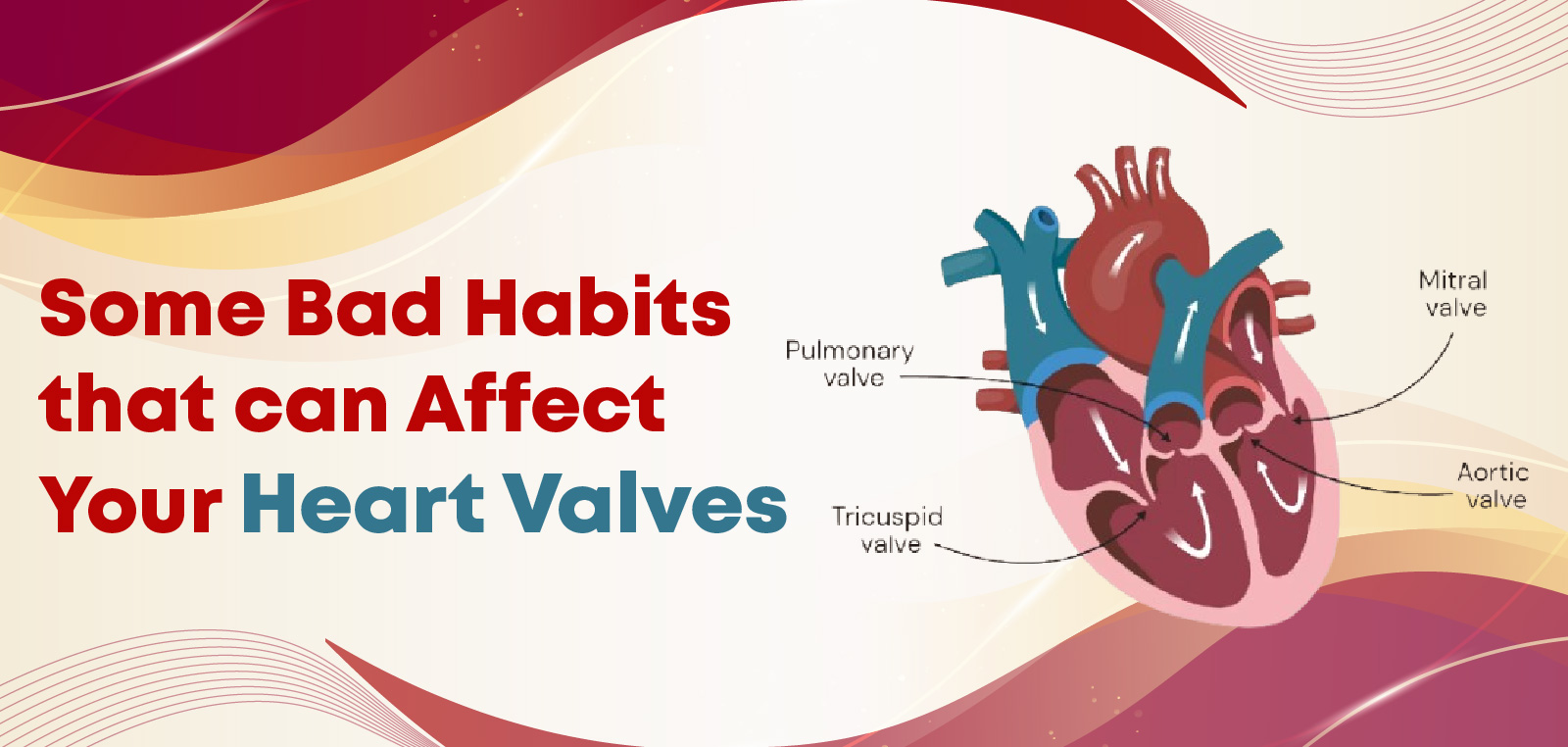
Some Bad Habits that can Affect Your Heart Valves
Some Bad Habits that can Affect Your Heart Valves The human heart is a remarkable organ with a sophisticated system designed to keep the blood flowing in a steady, regulated manner. A vital part of this system involves the four heart valves—mitral, tricuspid, pulmonary, and aortic—which open and close to control the movement of blood through the heart and to the rest of the body. These valves have flaps that must work properly to ensure the blood flows efficiently and that no blood is lost through improper closure or narrowed openings. However, when these heart valves fail to function optimally, it can disrupt the normal flow of blood. Valve dysfunction can lead to serious conditions such as heart failure, and in some cases, the valves may need to be replaced through surgery. Experts specializing in heart valve replacement surgery in Khar, Mumbai suggest that heart valve problems can either be congenital (present at birth) or develop later in life, often due to underlying medical conditions or poor lifestyle choices. Two common problems that affect heart valves are: Regurgitation: This occurs when the flaps of the valve do not close properly, causing blood to flow backward. Stenosis: This happens when the valve flaps stiffen or thicken, leading to a narrowing of the valve, which obstructs normal blood flow. Although some factors that increase the risk of valve problems, such as genetics and age, are beyond our control, many are preventable. Unhealthy habits like poor diet, lack of exercise, and stress can significantly increase the likelihood of developing valve issues. By making healthy lifestyle choices, you can lower your risk of developing heart valve conditions and improve your overall heart health. Habits that can Negatively Affect your heart Valves : 1. Spending Most of Your Day Sitting A sedentary lifestyle is one of the leading causes of numerous health problems, including heart valve issues. Prolonged sitting, especially for 5 to 6 hours at a stretch, is linked to an increased risk of heart failure, primarily because it makes it difficult for the body to manage risk factors like diabetes, hypertension, and high cholesterol. These risk factors can, in turn, affect the health of your heart valves. To combat this, make sure to take regular breaks from sitting. Even if your job requires long periods of sitting, make it a point to stand, walk around, or stretch every 30 minutes. Simple activities like standing up or taking a brisk walk for a few minutes can help keep your heart healthy and ensure that blood is circulating properly throughout your body. 2. Drinking Beyond the Safety Limits While moderate alcohol consumption can be part of a healthy lifestyle for some people, excessive drinking has been shown to have a negative impact on heart health. Drinking alcohol in large amounts can increase blood pressure, damage the heart muscle, and raise the levels of certain harmful fats in the blood, all of which can damage your heart valves over time. If you already have heart disease, it’s advisable to avoid alcohol altogether, as it may exacerbate existing conditions. It’s important to drink in moderation—perhaps a glass of wine on occasion or a cocktail at a social gathering—but avoid making alcohol a regular habit. By limiting your alcohol intake, you can protect your heart valves and reduce the risk of further complications. 3. Taking Too Much Stress Stress is an inevitable part of life, but chronic stress can wreak havoc on your heart. When you’re under stress, your body releases adrenaline and cortisol, hormones that prepare your body for the “fight-or-flight” response. These hormones elevate your heart rate and blood pressure, which over time can damage your blood vessels and heart valves, increasing your risk of heart disease, heart attacks, and strokes. It’s essential to find healthy ways to manage stress, such as practicing mindfulness, meditation, yoga, or deep breathing exercises. If stress is overwhelming and affecting your health, don’t hesitate to seek support from a mental health professional or counselor. Managing stress effectively can significantly improve your heart health and protect your valves from unnecessary strain. 4. Taking Too Much Salt Salt is a common ingredient in many foods, but excessive sodium intake can have a negative impact on your heart health, including the functioning of your heart valves. High salt consumption can lead to high blood pressure, which places extra pressure on the heart and its valves. Over time, this strain can contribute to the development of valve problems, particularly stenosis (narrowing of the valve). To maintain a heart-healthy diet, try to reduce the amount of salt you use in cooking and opt for lower-sodium alternatives. Be mindful of packaged and processed foods, which often contain high levels of hidden salt. If you already have high blood pressure or other risk factors, it’s essential to consult with a doctor to determine how much sodium is safe for your diet. 5. Smoking Smoking is one of the most harmful habits for your heart. The chemicals in tobacco smoke can damage blood vessels and lead to the buildup of plaque in the arteries, which can eventually affect the heart valves. Smokers are at a higher risk of developing atherosclerosis (hardening of the arteries), which can contribute to valve problems, including stenosis. If you smoke, quitting is the most effective way to improve your heart health and prevent further damage to your valves. There are various resources and support systems available to help you quit smoking, including nicotine replacement therapies, counseling, and support groups. 6. Being Overweight or Obese Excess weight can significantly impact your heart health, including the functioning of your heart valves. Obesity increases the risk of high blood pressure, diabetes, and high cholesterol—all of which are known risk factors for heart disease and valve problems. Additionally, carrying extra weight puts more strain on your heart, forcing it to work harder and potentially damaging the heart valves over time. To maintain a healthy weight, aim for a balanced diet rich in fruits, vegetables, lean proteins,
- 1
- 2