Blood Clots in Arteries: Causes, Symptoms & Surgical Treatment
March 13, 2026
admindrshridhar
0 Comments
Advanced Cardiac and Vascular Surgery Options in Mumbai
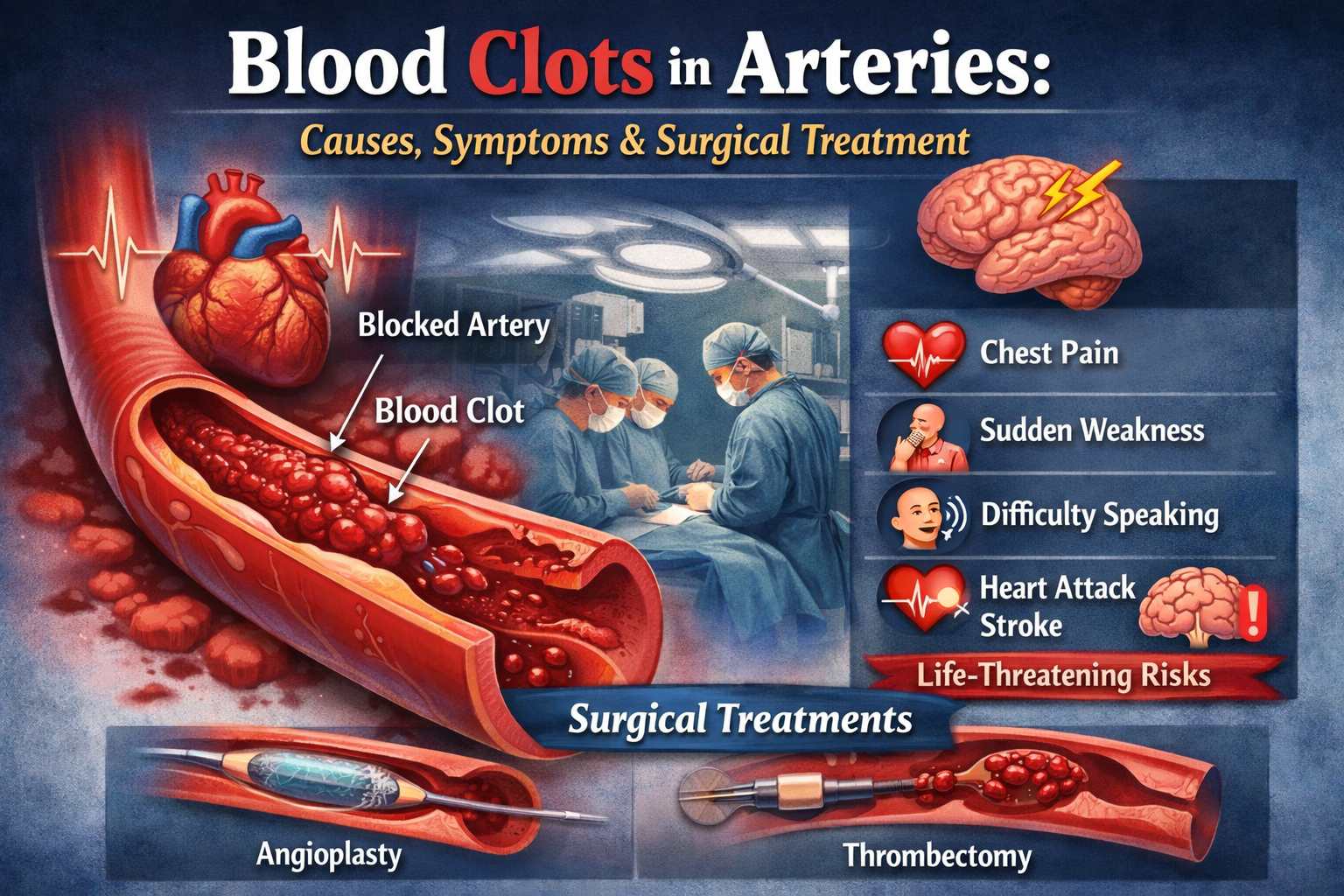
Blood clots are often associated with minor injuries, but when a clot forms inside an artery, it can quickly turn into a life-threatening emergency. Arterial blood clots block oxygen-rich blood from reaching vital organs such as the heart, brain, or limbs. Without immediate medical attention, this blockage can lead to heart attack, stroke, or tissue damage.
Understanding the causes, warning signs, and available surgical treatment options can help patients seek timely care and reduce long-term complications.
What Is an Arterial Blood Clot?
An arterial blood clot, also known as arterial thrombosis, forms when a clot develops inside an artery and obstructs blood flow. Unlike venous clots, arterial clots are typically linked to plaque buildup (atherosclerosis) and can suddenly restrict circulation to critical organs.
Common areas affected include:
Coronary arteries (leading to heart attack)
Carotid arteries (leading to stroke)
Peripheral arteries in the legs (leading to limb-threatening ischemia)
Prompt diagnosis and treatment are essential to prevent irreversible damage.
Causes of Blood Clots in Arteries
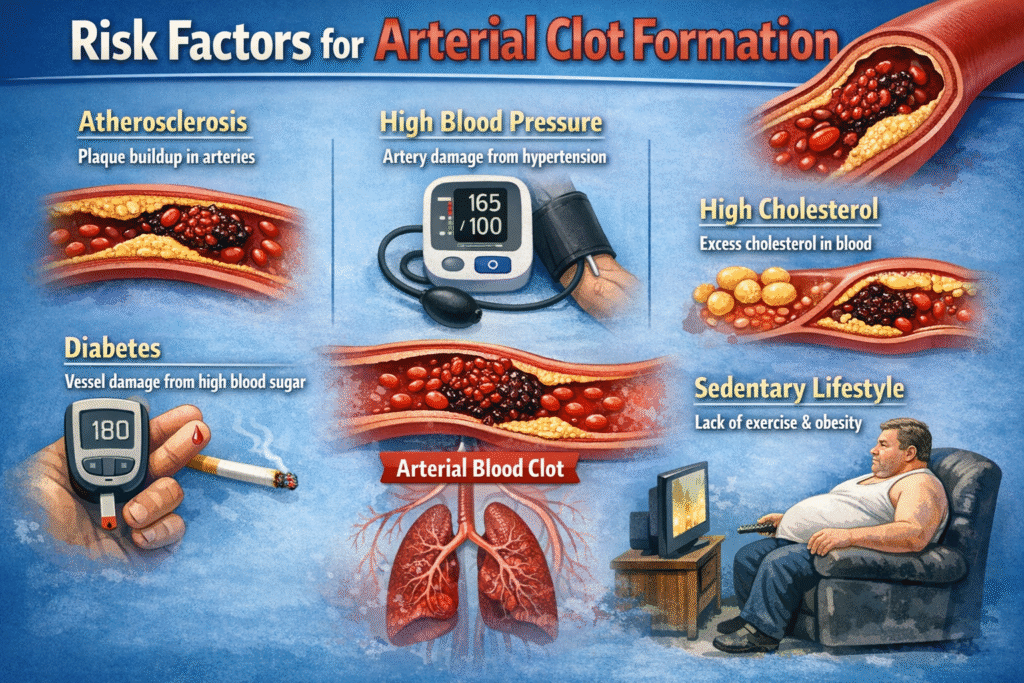
Several risk factors contribute to arterial clot formation:
1. Atherosclerosis
Fatty deposits build up inside artery walls, narrowing the passage and increasing the risk of clot formation.
2. High Blood Pressure
Uncontrolled hypertension damages artery linings, making them prone to clot development.
Carotid endarterectomy or stenting reduces stroke risk by removing plaque buildup in neck arteries supplying blood to the brain.
Safety and Recovery
Advanced surgical options in Mumbai focus on:
Pre-surgical risk assessment
Personalized surgical planning
Enhanced recovery protocols
Post-operative cardiac rehabilitation
Recovery time varies depending on the procedure, patient age, and overall health. However, minimally invasive and robotic approaches typically allow quicker discharge and faster return to daily routines.
Choosing the Right Cardiac Surgeon
Selecting the right specialist is crucial. Look for:
Board certification in cardiothoracic and vascular surgery
Experience with advanced technologies
Transparent communication about risks and benefits
Access to multidisciplinary cardiac teams
Early diagnosis and timely surgery significantly improve survival and quality of life.
The Importance of Early Evaluation
Symptoms such as:
– Persistent chest pain
– Shortness of breath
– Swelling in legs
– Sudden dizziness
– Leg pain while walking
should never be ignored. Advanced surgical techniques are most effective when intervention is not delayed.
Mumbai’s healthcare ecosystem ensures that patients receive prompt evaluation, advanced diagnostics, and cutting-edge surgical care under one roof.
Surgical Treatment Options
When medications like blood thinners are insufficient, surgical intervention becomes necessary.
1.Thrombectomy
A thrombectomy is a procedure where the surgeon physically removes the clot from the artery. It is often performed in emergencies to restore blood flow quickly.
2. Angioplasty and Stenting
A balloon catheter is inserted into the artery to widen the narrowed area. A stent may be placed to keep the artery open and prevent future clots.
3. Bypass Surgery
If the artery is severely blocked, a bypass graft may be created to redirect blood flow around the clot.
4. Endovascular Procedures
Minimally invasive catheter-based techniques can dissolve or extract clots with faster recovery times compared to open surgery.
Recovery and Prevention
After treatment, long-term care focuses on preventing recurrence:
– Regular blood pressure monitoring
– Cholesterol management
– Diabetes control
– Smoking cessation
– Heart-healthy diet
– Regular physical activity
– Prescribed blood-thinning medications
Lifestyle modification plays a major role in reducing future clot risk.
When to Seek Immediate Help
Call emergency services if you notice:
– Sudden chest pain
– Signs of stroke
– Severe unexplained limb pain
– Sudden shortness of breath
Delaying treatment can result in permanent organ damage.
Not always. Some clots can be managed with medications. Surgery is recommended when blood flow is severely restricted or life-threatening complications are present.
Maintain a healthy lifestyle, control chronic conditions, avoid smoking, exercise regularly, and attend routine health check-ups.
Final Thoughts
Blood clots in arteries are serious medical conditions that demand quick recognition and expert treatment. With advances in surgical and minimally invasive techniques, many patients can recover successfully when care is not delayed.
Early detection, proper medical management, and healthy lifestyle changes remain the most powerful tools in preventing arterial clot complications and protecting long-term cardiovascular health.
Leave a Comment