
- Mon - Sat : 5:30 - 8:30
- Sunday - CLOSED
- +91 99304 53556
- drshridhargpadagatti@gmail.com
- Khar(W), Mumbai
- 001, Himath Ghar
Blog Classic
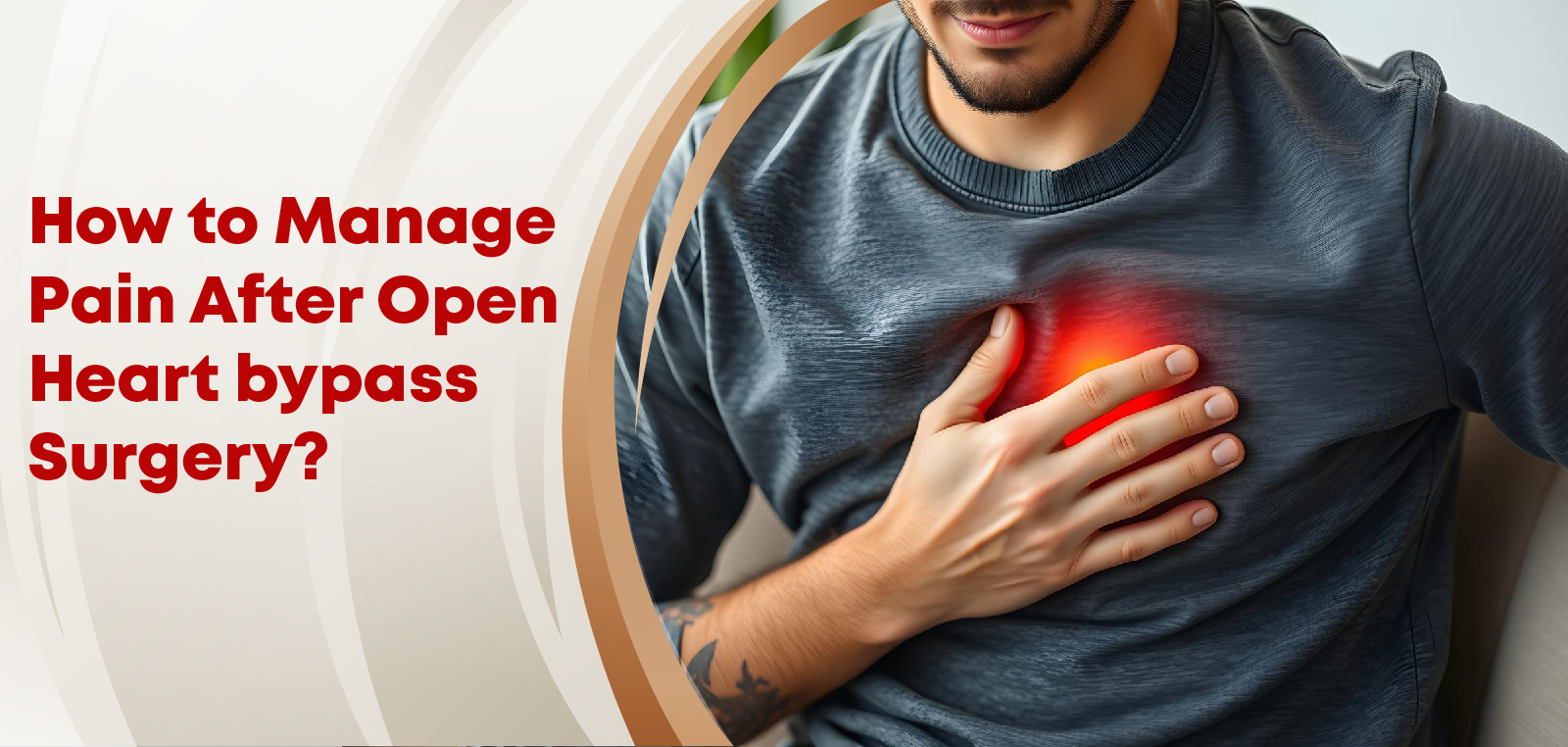
How to Manage Pain After Open Heart Bypass Surgery
How to Manage Pain After Open Heart Bypass Surgery “Open-heart bypass surgery is a major procedure performed to relieve severe coronary artery blockages that hinder blood flow to the heart. This process creates an alternative route for blood to bypass obstructed arteries, often blocked by plaque—a combination of calcium, cholesterol, and other substances. When plaque builds up along arterial walls, blood flow to the heart muscle reduces, which can lead to conditions like angina or severe heart attacks. For those with advanced coronary artery disease or ineffective treatments through medication or lifestyle adjustments, bypass surgery may be essential.” Given the significance of this surgery, proper post-operative pain management is critical to ensure a safe and effective recovery. This guide provides insights on managing pain after bypass surgery to facilitate a smoother healing journey. Why Pain Management is Essential After Bypass Surgery Effective pain management post-surgery can significantly boost your recovery rate. A well-planned pain management strategy will not only help you begin physical exercises like walking and breathing routines sooner but can also lower the risk of post-operative complications. By following a pain management routine, you can gain control over your recovery and gradually rebuild strength, ultimately supporting your heart health and overall well-being. Types of Pain You May Experience After Bypass Surgery Pain levels and locations may vary from person to person, but some common post-operative discomforts include: 1) Muscle Pain: Due to the nature of the procedure, you might feel discomfort in your neck, shoulders, or back. 2) Chest Pain: The insertion of chest tubes during surgery may lead to soreness in the chest area. 3) Surgical Site Pain: It’s normal to experience mild to moderate pain around the incision site as it begins to heal. Precautions to Follow After Bypass Surgery To improve recovery after heart bypass surgery, it’s essential to adhere to specific precautionary measures: 1) Take Prescribed Medications: Your doctor will likely prescribe new medications post-surgery. Painkillers, in particular, should be taken as advised to manage discomfort, especially before engaging in physical activity. 2) Avoid Infections at the Incision Site: Keeping the surgical wound clean and dry can prevent infections. Gently cleanse the area with an antimicrobial as per your doctor’s instructions. 3)Resume Physical Activity Gradually: Start with light physical activities under medical supervision. Avoid lifting heavy items or standing for long periods. Always consult with your chest pain doctor if you experience any discomfort. 4) Prioritize a Heart-Healthy Diet: A nutritious diet plays a vital role in recovery. Although appetite may initially decrease, it’s essential to eat well-balanced meals, cutting back on saturated fats, sugars, and processed foods. 5) Care for Your Mental Health: Recovery often involves prolonged bed rest, which may lead to feelings of frustration or mental fatigue. Journaling, meditation, or engaging in light activities that you enjoy can improve your mental well-being 6) Ease Into Activities Like Driving: After about six to eight weeks, you may be ready to return to light activities like driving. However, be sure to consult your doctor before engaging in strenuous tasks, and avoid pushing or pulling heavy objects until fully cleared. 7) Prioritize Rest and Sleep: Proper sleep can be challenging after surgery, but it’s essential. Taking your pain medications around 30 minutes before bedtime may help, as can establishing a regular nighttime routine. Avoid caffeine in the evening and consider listening to calming music to help signal to your body that it’s time for sleep Important Takeaways Recovery from coronary bypass surgery typically takes three to four months, depending on the severity of the procedure. By following a personalized recovery plan and making lifestyle adjustments, you can enhance your recovery experience. Long-term heart health also depends on maintaining a healthy lifestyle, including regular exercise, balanced nutrition, and monitoring for any recurrence of heart disease symptoms. If you or a loved one are considering or recovering from heart bypass surgery, consulting a trusted chest pain doctor can provide the tailored guidance and support necessary for a smooth recovery. Address – 001, Himath Ghar. Plot No. 539-A Opp Khatri Manzil 13th Road Khar (W) Email: drshridhargpadagatti@gmail.com Contact No. +91 99304 53556
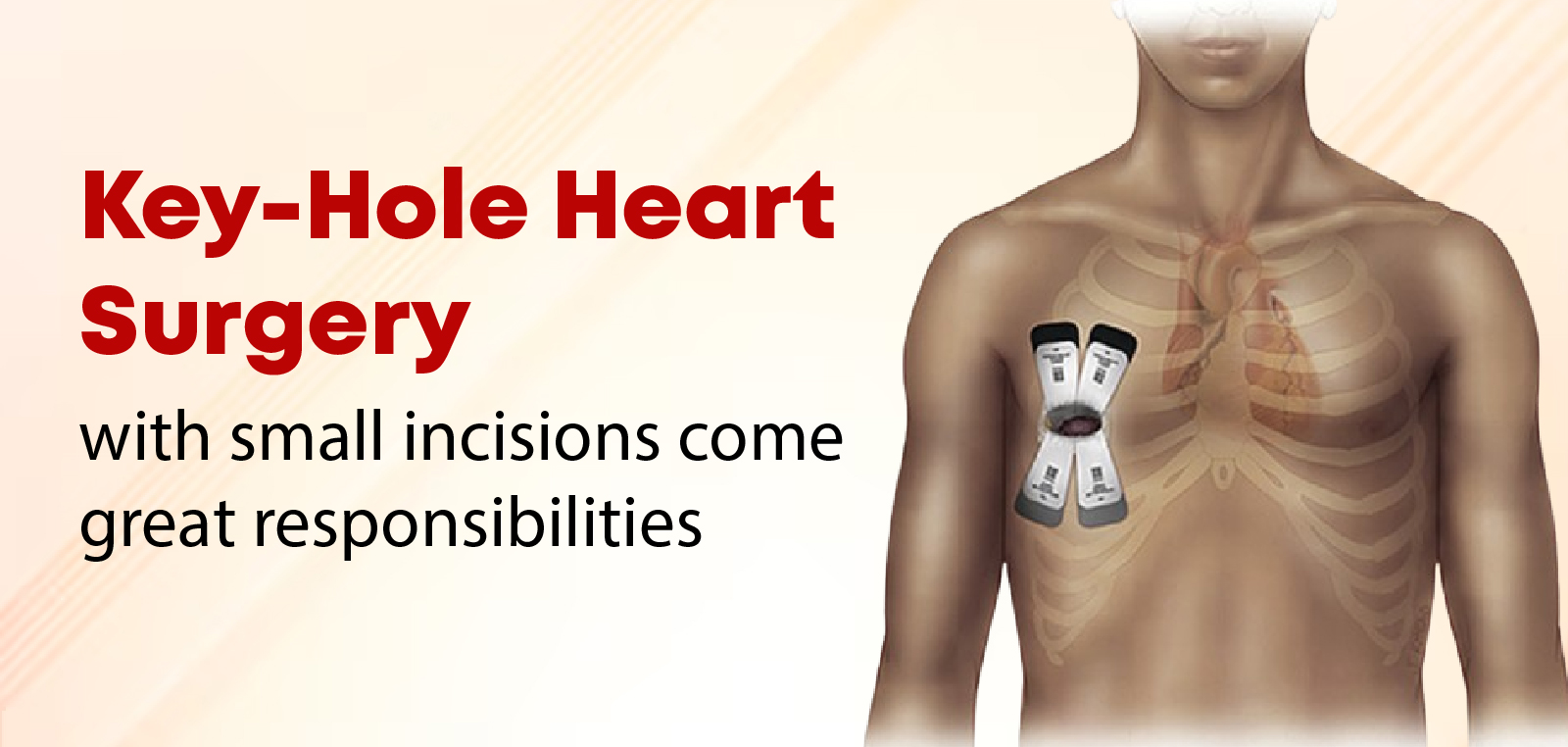
Keyhole Heart Surgery-With Small Incisions Come Great Responsibilities
Key hole Heart Surgery: With Small Incisions Come Great Responsibilities Keyhole heart surgery, also known as minimally invasive heart surgery, has gained popularity in several surgical specialties, including gynecology, urology, and orthopedics. However, this trend is still slow to catch on in cardiac surgery, especially in countries like the UK. Despite some pioneering centers adopting this advanced surgical technique, others continue to rely on traditional approaches due to various challenges associated with learning and perfecting the method. This blog will explore the history, benefits, and responsibilities involved in keyhole heart surgery, with a focus on the journey to adopting this technique at Active Heart Clinic in Mumbai, under the guidance of Dr. Shridhar G. Padagatti, one of the region’s leading cardio-thoracic and vascular surgeons. A Historical Overview of Keyhole Heart Surgery The journey toward minimally invasive heart surgery began in the late 1990s, when several cardiac surgery centers across Europe and the UK attempted to establish programs for minimally invasive mitral valve surgery. However, the technology available at the time, including early versions of thoracoscopes, was relatively basic, and complications led many centers to abandon these programs. Yet, two groups—one led by Dr. Hugo Vanerman in Aalst, Belgium, and another by Dr. Friedrich Mohr in Leipzig, Germany—persisted with keyhole mitral valve surgery, investing in new technologies and refining their methods. Over the years, they achieved great success and published studies showcasing their results. Today, these advancements have spurred a renewed interest in minimally invasive mitral valve surgery, especially across Europe, with Germany and Belgium seeing over 60% of mitral valve procedures performed using keyhole surgery. However, in the UK, adoption rates remain below 5%, primarily due to concerns regarding patient safety and financial considerations within the healthcare system. Minimally Invasive Heart Surgery in India Dr. Shridhar G. Padagatti and his team at the Active Heart Clinic in Mumbai represent a growing number of Indian cardiac specialists adopting advanced minimally invasive techniques. Since launching their program in 2007 at the Lancashire Cardiac Centre, Dr. Padagatti and his team have gained extensive experience performing keyhole heart surgeries, often using advanced tools like the Endoclamp—a device patented by Edwards Lifesciences. This device isolates the heart during surgery and helps deliver a potassium solution that temporarily stops the heart, allowing for precise surgical corrections without large incisions. The team’s commitment to continuous improvement has positioned the Active Heart Clinic as a leading center for minimally invasive mitral and tricuspid valve surgeries, as well as procedures for atrial septal defects and atrial fibrillation. Dr. Padagatti’s extensive background, including his specialized training in cardiovascular and thoracic surgery, allows him to bring a level of expertise that ensures patient safety and successful outcomes. Why Keyhole Heart Surgery? Keyhole heart surgery offers several advantages over traditional open-heart surgery, the most notable being smaller incisions. This results in fewer complications, faster recovery times, reduced blood transfusions, and lower infection rates. Here are some of the main benefits: Reduced Blood Transfusions: In traditional open-heart surgeries, the need for blood transfusions can be significant due to the large incisions involved. With keyhole surgery, the risk of blood loss is minimized. At Active Heart Clinic, only about 5% of patients who undergo keyhole mitral valve surgery require transfusions, compared to 18% of patients who have traditional sternotomy procedures. Shorter Recovery Time: Patients undergoing keyhole surgery typically experience shorter hospital stays. The reduced trauma to the chest allows for a faster recovery, with most patients returning to their normal activities sooner than those undergoing open-heart surgery. Cosmetic Benefits: For patients concerned about visible scarring, keyhole surgery is an attractive option, as it results in much smaller, less noticeable scars. Reduced Infection Rates: Smaller incisions mean a lower risk of infection, a critical factor for patients with underlying health conditions or those undergoing repeat heart surgeries. The Challenges of Keyhole Surgery Despite its benefits, minimally invasive heart surgery comes with challenges that make it difficult to adopt universally. These include: Complexity of the Procedure: Keyhole heart surgery requires specialized training and the use of advanced, costly instruments like the Endoclamp. The surgeon must rely heavily on video-assisted thoracoscopic technology and Transesophageal Echocardiography (TOE) to guide the surgery accurately. Initial Cost Considerations: The cost of acquiring advanced tools and training for the surgical team is a significant investment. In India, where healthcare costs are often closely scrutinized, convincing stakeholders of the long-term benefits can be challenging. Risk of Complications: While rare, there are some risks associated with keyhole heart surgery. For instance, the redirection of blood flow can cause small particles to travel to the brain, increasing the risk of stroke. However, preoperative scans and thorough patient selection can help mitigate these risks, and Active Heart Clinic has not recorded any strokes in the last 100 mitral valve cases. Overcoming the Challenges: A Focus on Teamwork and Training Dr. Padagatti and his team recognize that the success of keyhole heart surgery depends on effective teamwork and thorough training. Cardiac surgeons often spend over 20 years honing their skills, and introducing new procedures requires additional training for everyone involved. The entire team, including anaesthetists, nursing staff, and technicians, must be well-coordinated for minimally invasive procedures to succeed. At Active Heart Clinic, the team’s efforts are bolstered by the use of advanced imaging technologies, such as high-definition screens and three-dimensional thoracoscopes, which provide greater detail than the naked eye could see. These advancements have made minimally invasive mitral valve surgery safer and more efficient. By training extensively and collaborating with centers that specialize in keyhole surgery, Dr. Padagatti’s team continues to refine their approach, ensuring the best possible outcomes for patients. The Future of Keyhole Heart Surgery in India The future of cardiac surgery, particularly in India, looks promising as more centers begin to recognize the benefits of minimally invasive techniques. However, for this trend to gain widespread adoption, several factors must be addressed: Increased Training Opportunities: Training programs and simulation courses should be made widely available to encourage more surgeons to adopt minimally invasive techniques.
Heart Health Essentials for 2024 – Celebrating World Heart Day
Heart Health Essentials for 2024: Celebrating World Heart Day No matter what birthday you’ll be celebrating in 2024, it’s the perfect time to start taking better care of your heart. Your heart is one of the most vital organs, responsible for pumping blood, supplying oxygen, and distributing essential nutrients throughout your body. Without proper care, your heart could face serious health challenges such as heart attacks, strokes, and heart failure. The World Health Organization (WHO) reports that cardiovascular disease (CVD) is the leading cause of death worldwide, with approximately 17.9 million deaths each year. Given the gravity of these numbers, raising awareness about heart health is crucial. World Heart Day, celebrated every year on September 29, encourages individuals to make healthier lifestyle choices and prioritize their heart health. At Active Heart Clinic, led by Dr. Shridhar G. Padagatti, we believe prevention is key to heart health. This comprehensive guide will help you protect your heart in 2024 and beyond. Tips for a Healthy Heart in 2024 Eat a Heart-Healthy Diet A balanced and nutritious diet is crucial for maintaining a healthy heart. Such a diet helps lower cholesterol, reduce inflammation, and control blood pressure. Here’s what to focus on: Fruits and Vegetables: Aim for at least five servings per day. These nutrient-rich foods are full of antioxidants, vitamins, and minerals. Whole Grains: Choose whole grains like brown rice, quinoa, and oats to maintain healthy cholesterol levels. Healthy Fats: Incorporate sources like salmon, avocados, nuts, and olive oil. Limit Processed Foods: Reduce consumption of high-fat meats, processed snacks, and sugary beverages. Be Physically Active Exercise is not only great for maintaining a healthy weight but also essential for keeping your heart strong. Regular physical activity reduces your risk of heart disease and promotes overall well-being. Set a Goal: Engage in at least 30 minutes of moderate exercise, such as brisk walking, five times a week. Strength Training: Include strength exercises at least two days a week to build muscle and support cardiovascular health. Find Enjoyable Activities: Dancing, hiking, swimming, or cycling can make staying active more fun. Small Changes: Incorporate movement into your day by taking the stairs or parking farther from your destination. Quit Smoking Smoking is a major risk factor for heart disease. If you are a smoker, quitting is one of the most impactful decisions you can make for your heart health. Quitting reduces your risk of cardiovascular disease and improves your overall health. Here are some tips to help you quit: Set a Quit Date: Commit to a specific day to quit and stick to it. Seek Support: Talk to friends, family, or a professional counselor for support. Avoid Triggers: Identify and avoid situations where you might be tempted to smoke. Celebrate Milestones: Reward yourself for achieving small goals, like going smoke-free for a week or a month. Limit Alcohol Consumption Moderation is key when it comes to alcohol. Excessive drinking can raise blood pressure and increase your risk of developing heart disease. Moderation: Stick to no more than one drink per day for women and two drinks for men. Alternate Beverages: Drink water or non-alcoholic beverages between alcoholic drinks. Avoid Binge Drinking: Practice moderation and avoid heavy drinking episodes. Maintain a Healthy Weight Carrying excess weight puts strain on your heart, raising your risk of heart disease. By maintaining a healthy weight, you can reduce this burden. Consult a Professional: Speak with your doctor to determine the ideal weight range for you. Steady Progress: Aim to lose 1-2 pounds per week through balanced eating and regular physical activity. Track Your Progress: Use a journal or app to monitor your weight loss journey. Manage Stress Chronic stress contributes to high blood pressure and inflammation, both of which are detrimental to heart health. Learning to manage stress effectively can significantly improve your heart health. Relaxation Techniques: Try meditation, deep breathing, or yoga. Engage in Hobbies: Take time for activities you enjoy, such as gardening, reading, or spending time with loved ones. Seek Help: If stress becomes overwhelming, consider professional help or support from friends and family. Prioritize Sleep Sleep is essential for overall health, especially heart health. Poor sleep patterns can contribute to high blood pressure and increased risk of heart disease. Set a Sleep Schedule: Stick to a regular sleep routine, even on weekends. Create a Relaxing Environment: Your bedroom should be quiet, dark, and cool to promote restful sleep. Limit Stimulants: Avoid caffeine, alcohol, and screen time before bed. Get Regular Check-Ups Regular check-ups are essential for monitoring your heart health. Blood pressure, cholesterol levels, and blood sugar should be checked periodically to detect potential risk factors early. Screenings: Blood pressure and cholesterol should be checked every 4-6 years for healthy adults, but more often if you have risk factors. Discuss with Your Doctor: Talk to your physician about your family history, lifestyle, and any concerns. Frequently Asked Questions How often should I have my heart health checked? Adults over 20 should have their blood pressure, cholesterol, and blood sugar levels checked at least every 4-6 years. More frequent check-ups may be necessary if you have a family history of heart disease or other risk factors. Is there a cure for heart disease? While heart disease cannot be cured, it can be managed with lifestyle changes, medication, and medical interventions. At Active Heart Clinic, Dr. Shridhar works with patients to create personalized treatment plans. What are the main risk factors for heart disease? Risk factors include smoking, poor diet, physical inactivity, excessive alcohol consumption, high blood pressure, high cholesterol, obesity, and diabetes. Family history also plays a role. Can I reverse damage to my heart caused by unhealthy habits? While it may not always be possible to reverse existing damage, you can significantly improve your heart health by adopting healthier habits like quitting smoking, exercising regularly, and eating well. How can I improve my cholesterol levels? Eating a balanced diet rich in fruits, vegetables, and whole grains, alongside regular physical activity, can lower cholesterol. In

World Heart Day
World Heart Day: How to Prioritize Your Heart Health Cardiovascular disease (CVD) is the leading cause of mortality worldwide, claiming approximately 17.9 million lives annually, according to the World Health Organization. These alarming statistics underline the critical importance of heart health. On World Heart Day, celebrated every year on September 29th, we have the perfect opportunity to reflect on how we can better care for our hearts. By making small, consistent changes, you can protect your heart and reduce the risk of CVD. Let’s explore some essential and actionable tips to live a heart-healthy lifestyle, free from the worries of heart disease. Understanding the Risk Factors The major risk factors for cardiovascular disease include high blood pressure, high cholesterol, and smoking. However, other health issues and habits can further increase your risk. Diabetes, obesity, poor diet, lack of physical activity, and excessive alcohol consumption can all contribute to heart disease. Identifying and managing these risks is vital to maintaining a healthy heart. Everyday Habits for a Healthy Heart Maintaining a healthy heart isn’t about making drastic changes overnight. It’s about adopting sustainable, daily habits that promote cardiovascular health. These five factors—diet, physical activity, smoking cessation, cholesterol control, and blood pressure management—have a significant influence on your heart’s health. Adopt a Heart-Healthy Diet Your diet plays a central role in heart health. Instead of focusing on individual foods, consider your overall eating patterns. A heart-healthy diet is low in saturated and trans fats, salt, and added sugars while being rich in whole grains, antioxidants, fiber, and healthy fats. Here are some heart-healthy dietary tips: Increase Your Fruit and Vegetable Intake: A diet rich in a variety of fruits and vegetables can lower your risk of heart disease. These foods are packed with essential vitamins, minerals, and fiber that support overall health. Make the Switch to Whole Grains: Whole grains such as oats, brown rice, and whole wheat bread are higher in dietary fiber and essential nutrients like vitamin E and B vitamins compared to their refined counterparts. These nutrients help regulate cholesterol levels and promote heart health. Choose Healthy Fats: Not all fats are bad for your heart. Monounsaturated and polyunsaturated fats, found in avocados, nuts, seeds, and fish, are beneficial for heart health. These fats help reduce cholesterol levels and inflammation, reducing the risk of heart disease. Reduce Salt Intake: Too much salt in your diet can raise your blood pressure, which is a major risk factor for heart disease. Instead of salt, use herbs and spices to flavor your food. This simple switch can protect your heart without sacrificing taste. Make Physical Activity a Priority Regular physical activity is essential for heart health. Exercise helps lower your blood pressure, improve cholesterol levels, and reduce the risk of heart disease. You don’t need to be an athlete to benefit from physical activity—any movement is better than none. Increase Your Movement: Whether it’s taking the stairs, going for a short walk, or standing while working, small increases in daily movement can make a big difference. Set Achievable Goals: Start with small, realistic goals like a 10-minute walk each day. Over time, work your way up to 30-60 minutes of moderate-intensity exercise, such as brisk walking, most days of the week. Choose Activities You Enjoy: You’re more likely to stick with physical activity if you enjoy it. Whether it’s dancing, cycling, or playing a sport, find an activity that makes you feel good. Join Social Activities: Exercising with friends, family, or even a pet can make physical activity more enjoyable and help keep you motivated. Some heart-healthy exercises to consider include swimming, strength training, tai chi, walking, and even kegel exercises. Each of these activities helps improve cardiovascular health, muscle strength, and overall well-being. Stop Smoking Smoking is one of the leading preventable causes of heart disease. It damages the lining of your arteries, increases blood pressure, and reduces oxygen in the blood, all of which raise your risk of heart attack and stroke. If you smoke, quitting is the single most important thing you can do to improve your heart health. Manage Cholesterol and Blood Pressure High cholesterol and high blood pressure are silent killers, often with no symptoms until significant damage has been done. Regular check-ups and monitoring of these levels are critical to preventing heart disease. Lifestyle changes like eating a heart-healthy diet and exercising can help keep your cholesterol and blood pressure in check. If necessary, your doctor may prescribe medication to help control these levels Take Action Today for a Healthier Tomorrow World Heart Day serves as a reminder that taking care of your heart is a lifelong commitment. By making small, consistent changes to your daily routine—such as improving your diet, increasing your activity level, quitting smoking, and monitoring your cholesterol and blood pressure—you can significantly reduce your risk of heart disease. At Active Heart Clinic, we’re committed to helping you prioritize your heart health. Dr. Shridhar G. Padagatti, an experienced cardio thoracic vascular surgeon, is dedicated to providing comprehensive cardiovascular care to his patients. Dr. Shridhar has a rich background in cardiovascular surgery, having completed his MBBS at JNMC, Belgaum, and further specializing in Cardiovascular and Thoracic Surgery from Seth GS Medical College and KEM Hospital, Mumbai. His work at leading hospitals across Mumbai, including P.D. Hinduja Hospital and Holy Spirit Hospital, has earned him a stellar reputation. If you’re concerned about your heart health or want to learn more about how to maintain a healthy heart, contact Active Heart Clinic today to schedule a consultation with Dr. Shridhar. This World Heart Day, take the first step towards a healthier, happier heart. Address – 001, Himath Ghar. Plot No. 539-A Opp Khatri Manzil 13th Road Khar (W) Email: drshridhargpadagatti@gmail.com Contact No. +91 99304 53556
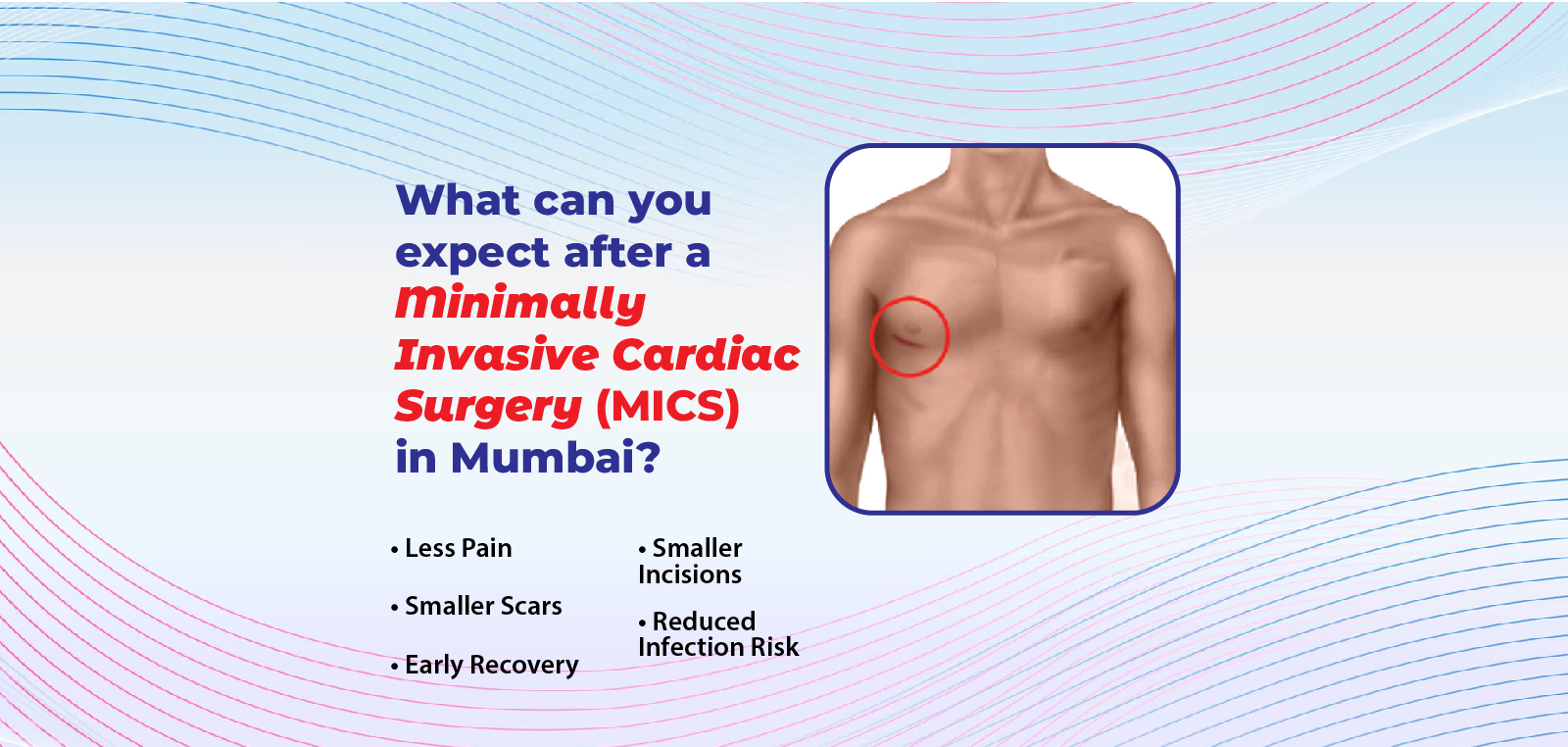
What Can You Expect After a Minimally Invasive Cardiac Surgery (MICS) in Mumbai?
What Can You Expect After a Minimally Invasive Cardiac Surgery (MICS) in Mumbai? Recovering from heart surgery can be a daunting experience, but with advancements in medical technology, procedures like Minimally Invasive Cardiac Surgery (MICS) have made the process significantly smoother and less intimidating. If you’re considering or have undergone MICS in Mumbai, it’s essential to know what to expect during your recovery journey. At Active Heart Clinic, under the expert guidance of Dr. Shridhar G. Padagatti, patients receive comprehensive care and support throughout their treatment and recovery process. Dr. Padagatti, a renowned Cardio Thoracic and Vascular Surgeon in Mumbai, brings extensive experience and expertise to the field, ensuring patients receive the highest standard of care. Understanding Minimally Invasive Cardiac Surgery (MICS) Before exploring the recovery process, it’s important to understand what MICS entails. Unlike traditional open-heart surgery, which requires a large incision through the breastbone (sternum), MICS involves smaller incisions between the ribs, reducing trauma to the body. This approach leads to numerous benefits, including reduced pain, shorter hospital stays, quicker recovery, and minimal scarring. Procedures commonly performed using MICS include: Heart Valve Repair and Replacement Coronary Artery Bypass Grafting (CABG) Closure of Congenital Heart Defects Atrial Fibrillation Correction With experienced surgeons like Dr. Shridhar G. Padagatti, patients can expect excellent outcomes and a more comfortable recovery experience. Immediate Post-Operative Period Hospital Stay After undergoing MICS in Mumbai, you will be transferred to the Intensive Care Unit (ICU) for close monitoring. The ICU stay is typically shorter compared to traditional surgery, often lasting less than 24 hours. Expectations during this period include: Monitoring Vital Signs: Healthcare professionals will continuously monitor your heart rate, blood pressure, and oxygen levels to ensure stability. Pain Management: You will receive medications to manage pain effectively. Most patients report experiencing less pain compared to traditional surgery due to smaller incisions. Breathing Support: You may have a breathing tube inserted during surgery, which is usually removed shortly after you wake up. Drainage Tubes: Small tubes may be placed near the incision sites to drain excess fluids, which are typically removed within a day or two. Transition to Regular Ward Once your condition stabilizes, you will be moved to a regular hospital room. The total hospital stay post-MICS generally ranges from 3 to 5 days, significantly shorter than the 7-10 days associated with open-heart surgery. During this phase: Mobilization: Nurses and physiotherapists will encourage you to start moving and walking as soon as possible to prevent complications like blood clots and improve lung function. Diet: You will gradually return to a normal diet, starting with liquids and progressing to solid foods as tolerated. Wound Care: Medical staff will guide you on how to care for your incisions to promote healing and prevent infection. Education: You will receive information on lifestyle modifications, medications, and follow-up appointments necessary for a successful recovery. Recovery at Home Recovering at home is a crucial phase where you continue to regain strength and return to your daily activities. Thanks to the minimally invasive nature of MICS, most patients experience a faster and smoother recovery. Physical Activity Gradual Increase: Begin with light activities such as short walks and gradually increase intensity as tolerated. Driving: Most patients can resume driving within 2 to 3 weeks, once they feel comfortable and no longer require pain medications. Returning to Work: Depending on the nature of your job, you may return to work within 3 to 4 weeks. Desk jobs allow for earlier return, while physically demanding jobs may require a longer recovery period. Exercise: Engage in cardiac rehabilitation programs as recommended by your doctor to improve cardiovascular health and build endurance. Wound Care and Healing Incision Care: Keep the incision sites clean and dry. Follow your doctor’s instructions regarding bathing and dressing changes. Monitoring for Infection: Watch for signs of infection such as redness, swelling, warmth, or discharge from the incision sites, and report any concerns to your healthcare provider immediately. Scarring: Due to smaller incisions, scarring is minimal and often becomes barely noticeable over time. Pain Management Medication: Continue taking prescribed pain medications as needed. Pain typically decreases significantly within the first week and continues to improve thereafter. Discomfort: Mild discomfort or soreness around the incision sites is normal and should gradually subside. Diet and Nutrition Heart-Healthy Diet: Adopt a balanced diet rich in fruits, vegetables, whole grains, lean proteins, and healthy fats to support healing and improve heart health. Hydration: Drink plenty of fluids to aid recovery. Weight Management: Maintain a healthy weight to reduce strain on your heart and prevent future complications. Emotional Well-being Mood Changes: It’s normal to experience mood swings or feelings of depression after surgery. These typically improve as you recover. Support System: Rely on family, friends, and support groups to help you through the recovery process. Professional Help: If emotional difficulties persist, consider consulting a mental health professional. Follow-up Care Regular Check-ups: Attend all scheduled follow-up appointments with your surgeon and cardiologist to monitor your recovery progress. Medication Management: Continue taking all prescribed medications and consult your doctor before making any changes. Lifestyle Modifications: Incorporate long-term lifestyle changes such as quitting smoking, reducing alcohol intake, managing stress, and maintaining regular physical activity. Potential Complications to Watch For While MICS is associated with fewer complications compared to traditional surgery, it’s essential to be aware of potential issues: Infection: Keep a close eye on incision sites and report any signs of infection promptly. Bleeding: Unusual bleeding should be reported immediately. Arrhythmias: Irregular heartbeats may occur but often resolve on their own or with medication. Breathing Difficulties: Seek medical attention if you experience shortness of breath or persistent coughing. Early detection and management of complications are vital for a successful recovery. Why Choose Active Heart Clinic and Dr. Shridhar G. Padagatti? At Active Heart Clinic, patients receive personalized and compassionate care throughout their cardiac treatment journey. Dr. Shridhar G. Padagatti, a leading CVTS surgeon in Mumbai, brings a wealth of knowledge and experience, having worked in several prestigious hospitals across Mumbai,

Top Reasons Why Heart Attacks Are Increasing in Indian Youth
Top Reasons Why Heart Attacks Are Increasing in Indian Youth In recent years, India has seen a troubling rise in heart attacks among its youth. Traditionally, heart disease was primarily a concern for those over 45, but today, individuals as young as 25-35 are increasingly at risk. This alarming trend has been attributed to several factors, many of which are linked to the rapid lifestyle changes brought about by modernization. Dr. Shridhar G. Padagatti, a highly respected cardiac and vascular surgeon at Active Heart Clinic, Mumbai, sheds light on the key reasons behind this concerning phenomenon and offers insights on how young Indians can safeguard their heart health. The Role of Diabetes India is often referred to as the diabetes capital of the world, with over 70 million people living with the condition, including a significant portion of the younger population. While genetics play a crucial role in the onset of diabetes, lifestyle factors such as poor diet and prolonged inactivity are accelerating the spread of this chronic disease among the youth. Diabetes is a major risk factor for heart disease. According to Dr. Padagatti, individuals with diabetes are more prone to developing cardiovascular conditions than those without. The excess glucose in the bloodstream can damage blood vessels and the nerves that control the heart, leading to complications such as heart attacks at a much younger age. Tobacco Consumption Tobacco use is another major contributor to the increasing incidence of heart attacks among Indian youth. Research indicates that 26% of cardiac diseases in people aged 30-44 are linked to tobacco use. The harmful chemicals in tobacco cause a build-up of plaque inside the blood vessels, leading to clots that can trigger strokes and heart attacks. Smoking, in particular, is responsible for about 16% of deaths caused by heart disease. Tobacco can narrow or thicken blood vessels, thereby increasing blood pressure and heart strain. Dr. Padagatti warns that even occasional smoking or exposure to secondhand smoke can significantly elevate the risk of heart disease. Unhealthy Dietary Habits The modern diet, high in saturated fats, sugars, and salts, is wreaking havoc on the cardiovascular health of young Indians. Fast food, processed snacks, and sugary beverages have become staples in the daily diet of many, leading to a rise in bad cholesterol levels. This puts additional strain on the heart, as it has to work harder to pump blood through narrowed or blocked arteries. Excessive salt intake, which is common in many Indian diets, also contributes to high blood pressure, a significant risk factor for heart disease. Combined with a lack of physical activity, these poor dietary habits are setting the stage for a surge in heart attacks among the youth. Inadequate Sleep In today’s fast-paced world, sleep is often sacrificed in favor of work, socializing, or screen time. However, inadequate sleep is a serious risk factor for heart disease. According to Dr. Padagatti, sleep deprivation disrupts the body’s mechanisms that regulate hunger, metabolism, and blood pressure, leading to obesity, diabetes, and hypertension – all of which are precursors to heart attacks. Young people who consistently get less than the recommended 7-8 hours of sleep are more likely to develop these conditions, which can severely impact their heart health over time. Chronic Stress The pressures of modern life – from career demands to social expectations – are leading to increased levels of chronic stress among the youth. Stress triggers the release of hormones like cortisol, which can raise blood pressure and cholesterol levels, contributing to the development of heart disease. Dr. Padagatti notes that chronic stress also often leads to unhealthy coping mechanisms such as smoking, overeating, or drinking alcohol, all of which further exacerbate the risk of heart attacks. Sedentary Lifestyle With the advent of technology and the rise of desk jobs, young Indians are spending more time sitting and less time engaging in physical activity. A sedentary lifestyle is a significant risk factor for heart disease, as it contributes to obesity, high blood pressure, and unhealthy cholesterol levels. Physical inactivity weakens the heart and reduces its efficiency, making it more susceptible to disease. Regular exercise, on the other hand, strengthens the heart, improves circulation, and helps maintain a healthy weight, all of which are crucial for preventing heart attacks. It’s Never Too Late to Make a Change A heart attack is a life-altering event that can be terrifying, especially for young individuals. However, it’s important to remember that many of the risk factors associated with heart disease are within your control. By making conscious lifestyle changes, you can significantly reduce your risk and protect your heart health. Dr. Shridhar G. Padgatti encourages young Indians to take proactive steps towards a healthier lifestyle. Incorporating regular exercise, a balanced diet, adequate sleep, and stress management into your daily routine can make a significant difference in your heart health. It’s never too late to start making positive changes. By taking care of your heart today, you can ensure a healthier, happier future. Challenge yourself to become the best version of yourself – your heart will thank you for it. About Active Heart Clinic – Dr. Shridhar G Padagatti : Active Heart Clinic, under the expert guidance of Dr. Shridhar G. Padagatti, is dedicated to providing comprehensive cardiac care. With a rich educational background and extensive experience across some of Mumbai’s most prestigious hospitals, Dr. Padagatti is recognized as one of the best cardio thoracic and vascular surgeons in the city. His commitment to patient care and excellence in cardiovascular surgery has made him a trusted name in the field. If you or a loved one are concerned about heart health, especially in light of the rising incidence of heart attacks among the youth, Dr. Padagatti and the team at Active Heart Clinic are here to help. With the right guidance and care, you can take control of your heart health and live a longer, healthier life. Address – 001, Himath Ghar. Plot No. 539-A Opp Khatri Manzil 13th Road Khar (W) Email: drshridhargpadagatti@gmail.com Contact
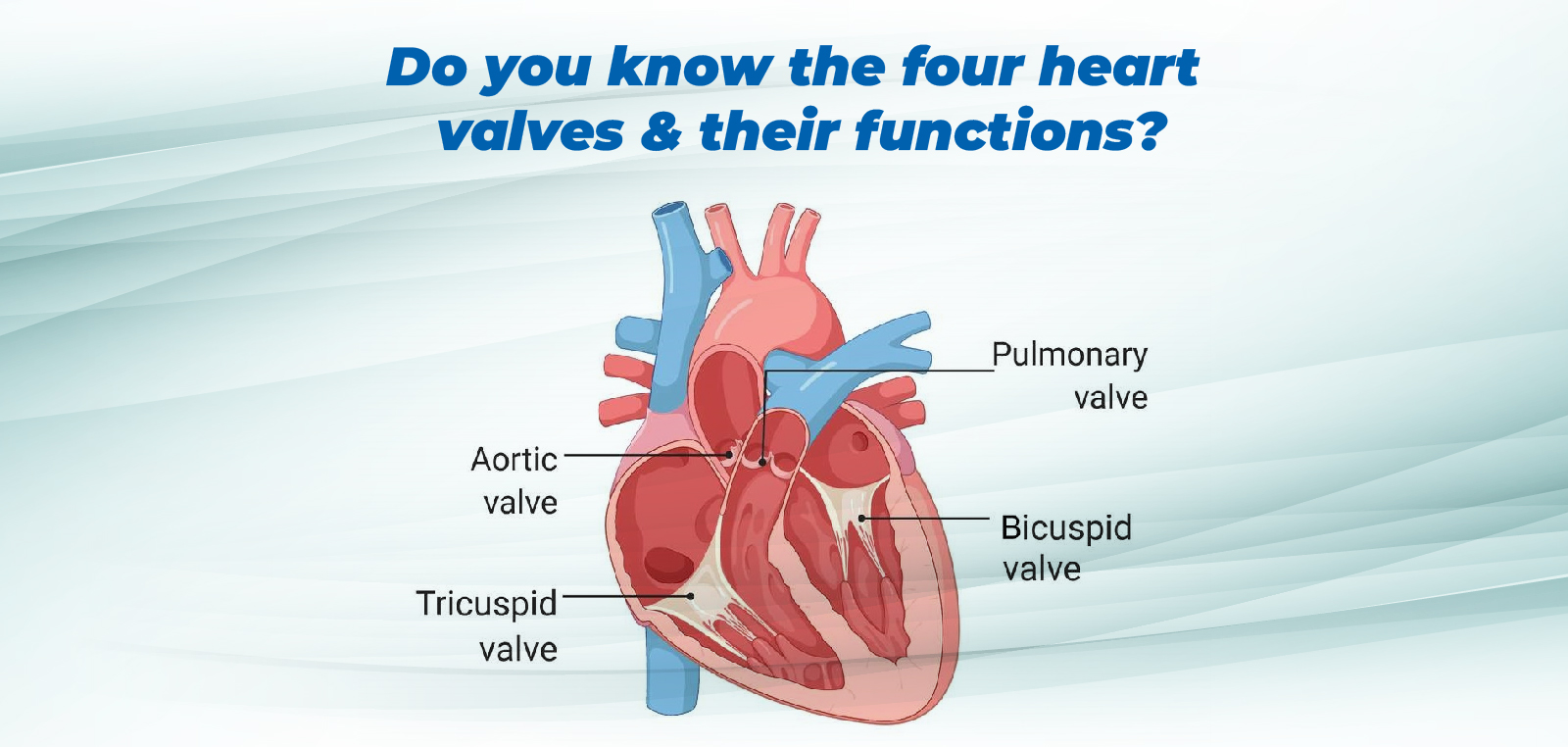
Do You Know The 4 Heart Valves & Their Functions?
Do You Know The 4 Heart Valves & Their Functions? and Heart Valve Replacement Surgery Cost ? What Are the 4 Heart Valves and Their Functions? The heart, a vital organ, functions as a pump to circulate blood throughout the body. It comprises four chambers: two upper chambers (atria) and two lower chambers (ventricles). Blood flows through a valve before leaving each chamber of the heart, ensuring unidirectional blood flow and preventing backflow. The four heart valves are: Tricuspid Valve: Located between the right atrium and the right ventricle, it prevents the backflow of blood into the right atrium when the right ventricle contracts. Pulmonary Valve: Situated between the right ventricle and the pulmonary artery, it ensures blood flows from the right ventricle into the pulmonary artery, preventing backflow. Mitral Valve: Located between the left atrium and the left ventricle, it has only two leaflets (flaps). It allows blood to flow from the left atrium to the left ventricle and prevents backflow during ventricular contraction. Aortic Valve: Positioned between the left ventricle and the aorta, it ensures blood flows from the left ventricle into the aorta and prevents backflow. How Do the Heart Valves Work? As the heart muscle contracts and relaxes, the valves open and close, allowing blood to flow into the ventricles and atria alternately. Here is a step-by-step description of how the valves function: Left Ventricle Relaxation: The aortic valve closes, and the mitral valve opens, allowing blood to flow from the left atrium into the left ventricle. Left Atrium Contraction: Additional blood flows into the left ventricle. Left Ventricle Contraction: The mitral valve closes, and the aortic valve opens, allowing blood to flow into the aorta and out to the body. Right Ventricle Relaxation and Contraction: Simultaneously with the left ventricle, the right ventricle relaxes and contracts, allowing blood flow into the pulmonary artery and preventing backflow into the right atrium. What Is Heart Valve Disease? Heart valve disease occurs when one or more valves in the heart do not function correctly. The main types of heart valve diseases include: Regurgitation: Also known as a leaky valve, it occurs when a valve does not close properly, causing blood to flow backward. This can lead to overworking of the heart chambers, potentially causing structural changes. Stenosis: This is a condition where the valve opening is narrowed, making it difficult for blood to pass through. The heart must exert more force to pump blood, which can also lead to structural changes. Atresia: This is a congenital condition where a valve does not develop properly, preventing blood flow through the heart. When heart valves do not open or close properly, it can seriously affect the heart’s ability to pump blood effectively. What Is Heart Valve Replacement Surgery? Heart valve replacement surgery is a procedure to replace damaged or diseased heart valves. The surgery is performed when valves are severely damaged, affecting blood flow through the heart. There are two main types of valves used in replacement surgeries: Mechanical Valves: Made from durable materials like plastic, carbon, or metal, these valves can last for many years. However, patients with mechanical valves need to take blood-thinning medications (anticoagulants) for life to prevent blood clots. Biological Valves: Made from animal tissue (xenograft) or donated human tissue (allograft or homograft), these valves do not require lifelong blood-thinning medications. However, they may need to be replaced every 10-15 years. Types of Heart Valve Replacement Procedures Open Heart Surgery: This traditional method involves a large incision in the chest to access the heart and replace the valve. Minimally Invasive Heart Surgery: This method involves smaller incisions and specialized instruments to replace the valve, leading to a quicker recovery. Transcatheter Aortic Valve Replacement (TAVR): A minimally invasive procedure performed for patients who are not suitable for open-heart surgery. It involves threading a catheter through a blood vessel to replace the aortic valve. Heart Valve Replacement Surgery Cost The cost of heart valve replacement surgery can vary depending on several factors, including the type of valve used, the complexity of the procedure, and the hospital. In India, the average cost of TAVR or heart valve replacement surgery ranges from Rs. 3,00,000 to Rs. 5,00,000. Costs may vary based on the hospital and city. Why Heart Valve Replacement Surgery is Necessary? Heart valve replacement surgery is essential for patients with severe heart valve disease. It can significantly improve the quality of life by restoring normal blood flow through the heart and reducing symptoms like chest pain, shortness of breath, and fatigue. Depending on the severity of the valve damage, the patient’s age, and overall health, the surgeon will recommend the most appropriate type of valve and surgical procedure. Conclusion: Understanding the function of the heart valves and the importance of heart valve replacement surgery is crucial for maintaining heart health. If you experience symptoms of heart valve disease, such as chest pain, shortness of breath, or fatigue, consult a cardiac specialist like Dr. Shridhar G. Padagatti at Active Heart Clinic. Early diagnosis and treatment can prevent complications and improve your quality of life. With advancements in medical technology, heart valve replacement surgery has become safer and more effective, offering patients a new lease on life.
Cost of open heart surgery in india
Cost of Open Heart Surgery in India Open heart surgery is a critical and often life-saving procedure that many patients with severe heart conditions may need to undergo. However, one of the significant concerns for patients and their families is the cost associated with such an extensive surgical procedure. This blog aims to provide an in-depth understanding of the cost of open heart surgery in India, with a particular focus on the expertise available at Active Heart Clinic, led by Dr. Shridhar G Padagatti. About Active Heart Clinic and Dr. Shridhar G Padagatti Active Heart Clinic is renowned for its exceptional cardiac care, led by Dr. Shridhar G Padagatti, a highly respected cardiac and vascular surgeon. Dr. Padagatti has an impressive educational background, beginning with his MBBS from JNMC, Belgaum, affiliated with Karnataka University. He then pursued a specialization in General Surgery, earning his MS degree from Goa Medical College. To further enhance his expertise, he completed a super-specialization in Cardiovascular and Thoracic Surgery (CVTS) from Seth GS Medical College and KEM Hospital, Mumbai, graduating with this prestigious degree in December 2009. Dr. Padagatti has worked in several reputed hospitals across Mumbai, Maharashtra. His current affiliations include P.D. Hinduja Hospital, Khar (West), Bharatiya Arogya Nidhi Hospital (Juhu), Holy Spirit Hospital (Andheri East), BSES Hospital (Andheri West), Wockhardt Hospital (Mira Road East), and Bhakti Vedanta Hospital (Mira Road East). His extensive experience and dedication to cardiac surgery have made him a trusted name in the field. What is Open Heart Surgery? Open heart surgery is a procedure where the surgeon makes an incision through the breastbone (sternum) to access the heart. This method, often referred to as “chest cracking,” involves spreading the ribs to gain direct access to the heart. It is a traditional and reliable method for performing various heart surgeries, such as coronary artery bypass grafting (CABG), heart valve repair or replacement, heart transplantation, and surgery for congenital heart defects. Despite the term “open heart surgery,” many modern heart surgeries can now be performed using minimally invasive techniques, which involve smaller incisions and less recovery time. However, traditional open heart surgery remains a standard approach for many complex heart conditions. Conditions Requiring Open Heart Surgery Several heart conditions may necessitate open heart surgery, including: Congenital heart defects such as atrial septal defect (heart hole) and hypoplastic left heart syndrome. Coronary artery disease which may require CABG to bypass blocked arteries. Heart failure where the heart is unable to pump blood effectively. Heart valve disease requiring repair or replacement of damaged valves. Thoracic aortic aneurysm, a bulging of the aorta that can lead to life-threatening complications. In cases of coronary artery disease, open heart surgery may be needed when the coronary arteries supplying blood to the heart become narrowed or blocked due to plaque buildup. This condition restricts blood flow, increasing the risk of a heart attack. Techniques Used in Open Heart Surgery Open heart surgery can be performed using two primary techniques: on-pump and off-pump surgery. On-pump surgery (CPB): This traditional method involves stopping the heart and using a cardiopulmonary bypass machine (heart-lung machine) to maintain blood circulation and oxygenation during the surgery. The machine takes over the heart and lung functions while the surgeon performs the procedure on a non-beating heart. Off-pump surgery: Also known as beating-heart surgery, this technique involves performing the surgery while the heart is still beating. Specialized equipment is used to stabilize the part of the heart being operated on, allowing the rest of the heart to continue pumping blood. This approach eliminates the need for a heart-lung machine and can reduce certain risks associated with stopping the heart. Pre-Surgery Tests Before undergoing open heart surgery, several tests are typically performed to ensure the patient’s suitability for the procedure and to minimize risks. Common pre-surgery tests include: Echocardiogram (Echo): Assesses heart muscle function and valve operation. Electrocardiogram (ECG or EKG): Records the heart’s electrical signals to check for abnormalities. Lab tests: Evaluate kidney and liver function, blood count, and other vital parameters. Chest X-ray: Provides images of the heart, lungs, and chest bones. Dobutamine stress echocardiogram (DSE): Mimics exercise effects on the heart using medication. Treadmill test (TMT): Assesses heart function under physical stress. Complete blood count (CBC): Detects disorders like anemia and infection. Cardiac MRI: Offers detailed images of the heart’s internal structures. Angiography: X-ray technique to examine blood vessels and detect blockages. Performing Open Heart Surgery Open heart surgery typically requires a hospital stay of 7-10 days. The procedure involves several steps: Preparation: The patient is placed under general anesthesia. Incision: An 6-8 inch incision is made in the chest. Accessing the Heart: The sternum is cut, and the ribcage is spread to expose the heart. On-Pump or Off-Pump: Depending on the technique, a heart-lung machine may be used. Surgery: The specific surgical procedure is performed. Restoring Heart Function: The heart is restarted, and blood flow is restored. Closing Incisions: The sternum and skin are sutured. Post-Surgery Recovery After surgery, patients spend time in the ICU for close monitoring. Symptoms like pain, swelling, memory issues, and depression are common post-surgery. Follow-up sessions with the doctor are crucial for recovery. Costs of Open Heart Surgery in India The cost of open heart surgery in India varies depending on several factors, including the type of surgery, the hospital, the surgeon’s expertise, and the patient’s overall health. On average, open heart surgery in India can cost between INR 1.5 lakhs to INR 5 lakhs. Specific procedures, like CABG, typically cost around INR 2.75 lakhs. Conclusion: Open heart surgery is a critical procedure that can address severe heart conditions and save lives. Understanding the costs involved and the procedures can help patients and their families make informed decisions. At Active Heart Clinic, Dr. Shridhar G Padagatti offers exceptional expertise and care, ensuring that patients receive the best possible treatment. If you or a loved one needs open heart surgery, do not delay seeking the necessary medical intervention. Your heart health is invaluable, and timely surgery

The Vascular Health Roadmap-5 Questions for a Healthier You
The Vascular Health Roadmap-5 Questions for a Healthier You Embarking on a journey towards better health requires a roadmap, a guide to navigate the twists and turns of your body’s intricate systems. When it comes to vascular health, understanding the fundamentals is crucial for maintaining vitality and preventing potential hazards down the road. In this guide, we’ll explore five essential questions that serve as signposts on your vascular health journey, ensuring a smoother ride towards a healthier you. 1. What is the Vascular System? Picture your body as a network of highways, with veins and arteries acting as the roads that transport blood to every corner. The cardiovascular system, which includes the heart, is well-known, but the vascular system extends beyond, encompassing arteries and veins. While arteries carry oxygen-rich blood away from the heart, veins return oxygen-depleted blood back to it. Think of it as a sophisticated transportation network ensuring essential nutrients and oxygen reach your tissues and organs. 2. What Could Possibly Go Wrong? Unfortunately, quite a lot. Vascular diseases come in various forms, each with its own set of complications. Carotid artery disease, abdominal aortic aneurysm, and peripheral artery disease are among the most common. These conditions can lead to blockages, weakening of arterial walls, and even life-threatening events like strokes or ruptured aneurysms. Recognizing the warning signs and risk factors is crucial for early intervention and prevention. 3. What Are My Risk Factors? Several factors contribute to the development of vascular disease, including genetics, lifestyle choices, and underlying health conditions. High blood pressure, high cholesterol, diabetes, smoking, obesity, and a family history of vascular disease are all significant risk factors. Understanding your individual risk profile empowers you to make informed decisions and take proactive steps towards better vascular health. 4. What Are the Symptoms? Vascular diseases can often be asymptomatic, making early detection challenging. However, certain symptoms, such as leg pain, cramping, or swelling, can indicate underlying issues. Pay attention to signals from your body, especially if you experience sudden changes in mobility or discomfort in your extremities. Prompt evaluation by a healthcare professional can help identify potential problems before they escalate. 5. Why Should I Get Vascular Screenings? Vascular screenings are invaluable tools for early detection and prevention. Non-invasive and painless, these screenings provide a comprehensive assessment of your vascular health, allowing healthcare providers to identify potential issues before they become serious. By investing in preventive care, you not only safeguard your health but also gain peace of mind knowing that you’re taking proactive steps towards a healthier future. Meet the Experts Dr. Shridhar G. Padagatti – Leading the Way in Cardiovascular and Thoracic Surgery Behind every successful journey towards vascular health is a team of dedicated experts, including skilled surgeons like Dr. Shridhar G. Padagatti. With extensive experience and expertise in cardiovascular and thoracic surgery, Dr. Padagatti is committed to providing patients with the highest standard of care. His background and affiliations with prestigious hospitals in Mumbai underscore his dedication to excellence and innovation in the field. Conclusion: Take the First Step Towards Better Vascular Health As you embark on your journey towards better vascular health, remember that knowledge is power. By asking the right questions, understanding your risk factors, and prioritizing preventive screenings, you can take control of your vascular health and pave the way for a healthier future. With experts like Dr. Shridhar G. Padagatti leading the way, you can rest assured that you’re in capable hands every step of the way. Schedule your vascular screenings today and invest in your well-being—it’s the first step towards a healthier you.
After a Heart Attack, Foods to Eat and Avoid
After A Heart Attack, Foods To Eat And Avoid Recovering from a heart attack marks the beginning of a journey towards prioritizing your heart health. Among the various aspects of recovery, one crucial element is your diet. What you eat plays a significant role in preventing further heart complications and promoting overall well-being. Renowned cardiac and vascular surgeon Dr. Shridhar G. Padgatti from Mumbai provides invaluable insights into the foods to embrace and those to avoid after experiencing a cardiac event. Foods to Embrace for Heart Health A heart-healthy diet is centered around wholesome, nutrient-rich foods that support cardiovascular function. Dr. Padgatti underscores the importance of incorporating the following foods into your meals: 1. Fruits and Vegetables:Fruits and vegetables are essential components of a heart-healthy diet, packed with vitamins, minerals, and antioxidants that aid in reducing inflammation and improving heart function. 2. Lean Meats and Poultry:Opt for lean cuts of meat and skinless poultry to minimize saturated fat intake, which can contribute to heart disease. 3. Legumes, Nuts, and Beans:These plant-based protein sources are rich in fiber, which helps lower cholesterol levels and supports heart health. 4. Fish:Oily fish like salmon, sardines, and trout are excellent sources of omega-3 fatty acids, known for their heart-protective benefits. Aim to include fish in your diet at least twice a week. 5. Whole Grains:Choose whole grains such as brown rice, quinoa, and oats over refined grains to maintain stable blood sugar levels and promote heart health. 6. Healthy Fats:Incorporate plant-based oils like olive oil into your cooking, as they contain unsaturated fats that can help lower cholesterol. 7. Low-Fat Dairy:Opt for low-fat dairy products like skim milk and fat-free yogurt to reduce saturated fat intake while still meeting your calcium needs. 8. Eggs:Enjoy up to six eggs per week, focusing on consuming more egg whites than yolks to minimize cholesterol intake. Dietary Plans for Heart Health Following a structured dietary plan can provide further guidance on making heart-healthy food choices. Dr. Padgatti recommends exploring the following options: 1. Mediterranean Diet:The Mediterranean diet, rich in fruits, vegetables, whole grains, and healthy fats like olive oil, has been associated with a reduced risk of heart disease and stroke. 2. DASH Diet:The Dietary Approaches to Stop Hypertension (DASH) diet emphasizes fruits, vegetables, and low-fat dairy while limiting sodium intake, making it ideal for managing blood pressure and improving heart health. 3. Plant-Based Eating:A plant-based diet focuses on consuming predominantly plant-derived foods, which can lower the risk of various chronic diseases, including heart disease. 4. “Clean” Eating:Emphasizing whole, unprocessed foods while minimizing intake of added sugars, salt, and unhealthy fats can support heart health and overall well-being. Foods to Avoid After a Heart Attack To protect your heart and reduce the risk of further complications, it’s crucial to steer clear of certain foods. Dr. Padgatti advises limiting or avoiding the following: 1. Processed Foods:Foods high in added sugars, salt, and unhealthy fats, such as fast food, fried food, and packaged snacks, should be minimized or eliminated from your diet. 2. Red Meat:While small amounts of lean meats can be included, it’s important to limit consumption of red meat and processed meats, which are high in saturated fats and cholesterol. 3. Sugary Treats:Foods and beverages with added sugars, such as candies, cakes, cookies, and sugary drinks, should be enjoyed sparingly. 4. High-Sodium Foods:Excessive sodium intake can contribute to high blood pressure and heart disease, so it’s essential to limit consumption of salty processed foods and condiments. 5. Trans Fats:Avoid foods made with hydrogenated oils, as they contain harmful trans fats that can raise bad cholesterol levels and increase the risk of heart disease. 6. Alcohol:While moderate alcohol consumption may have some cardiovascular benefits, excessive drinking can harm the heart and should be avoided. Consultation and Further Guidance For personalized dietary recommendations and ongoing support in managing your heart health, it’s essential to consult with a qualified healthcare professional like Dr. Shridhar G. Padgatti. With his extensive expertise and dedication to patient care, Dr. Padgatti offers comprehensive cardiovascular services to individuals seeking optimal heart health. By following a heart-healthy diet tailored to your needs and lifestyle, you can take proactive steps towards preventing future heart complications and enjoying a fulfilling life. In conclusion, prioritizing nutrition is paramount for individuals recovering from a heart attack. By embracing wholesome foods, following structured dietary plans, and avoiding harmful substances, you can support your heart health and overall well-being in the long run. Remember, your heart is in your hands—make the choice to nourish it with care and intention.