
- Mon - Sat : 5:30 - 8:30
- Sunday - CLOSED
- +91 99304 53556
- drshridhargpadagatti@gmail.com
- Khar(W), Mumbai
- 001, Himath Ghar
Heart Health
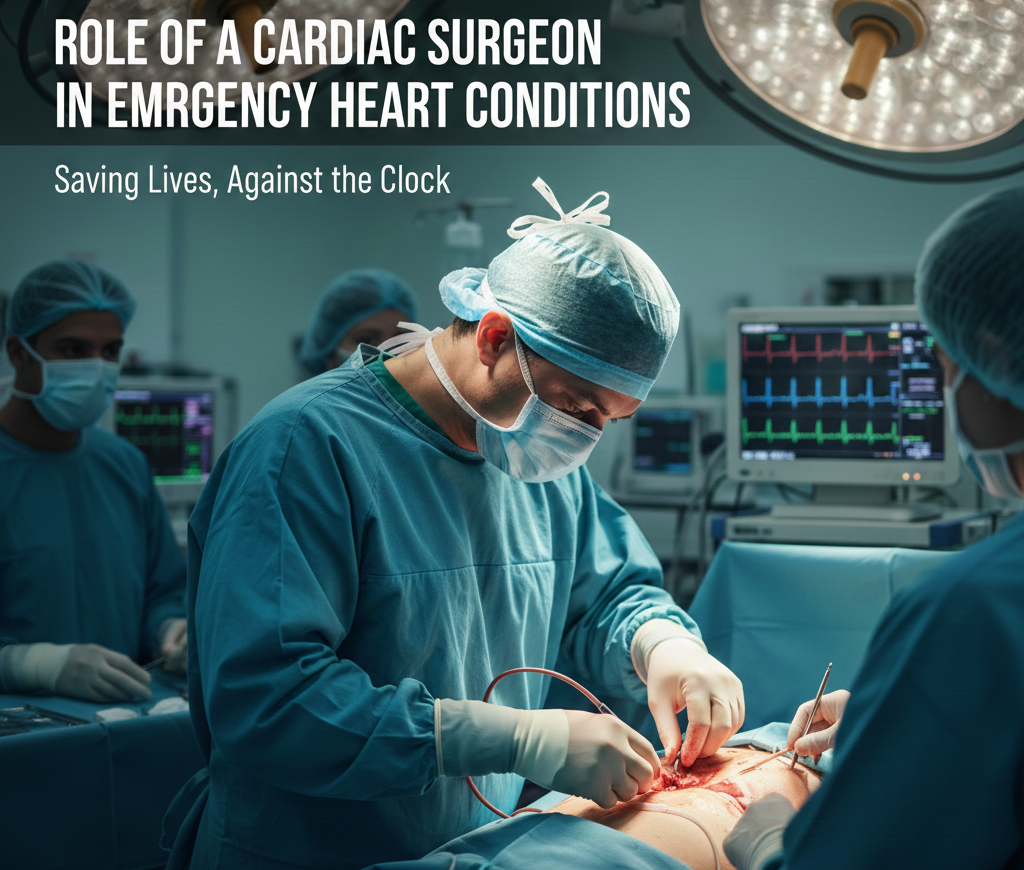
Role of a Cardiac Surgeon in Emergency Heart Conditions
Peripheral Vascular Disease (PVD) is a common yet often overlooked circulatory condition that affects millions globally. In India, where cardiovascular diseases are on the rise, awareness about PVD remains low.

How Robotic Surgery Improves Precision in Heart Procedures
Peripheral Vascular Disease (PVD) is a common yet often overlooked circulatory condition that affects millions globally. In India, where cardiovascular diseases are on the rise, awareness about PVD remains low.
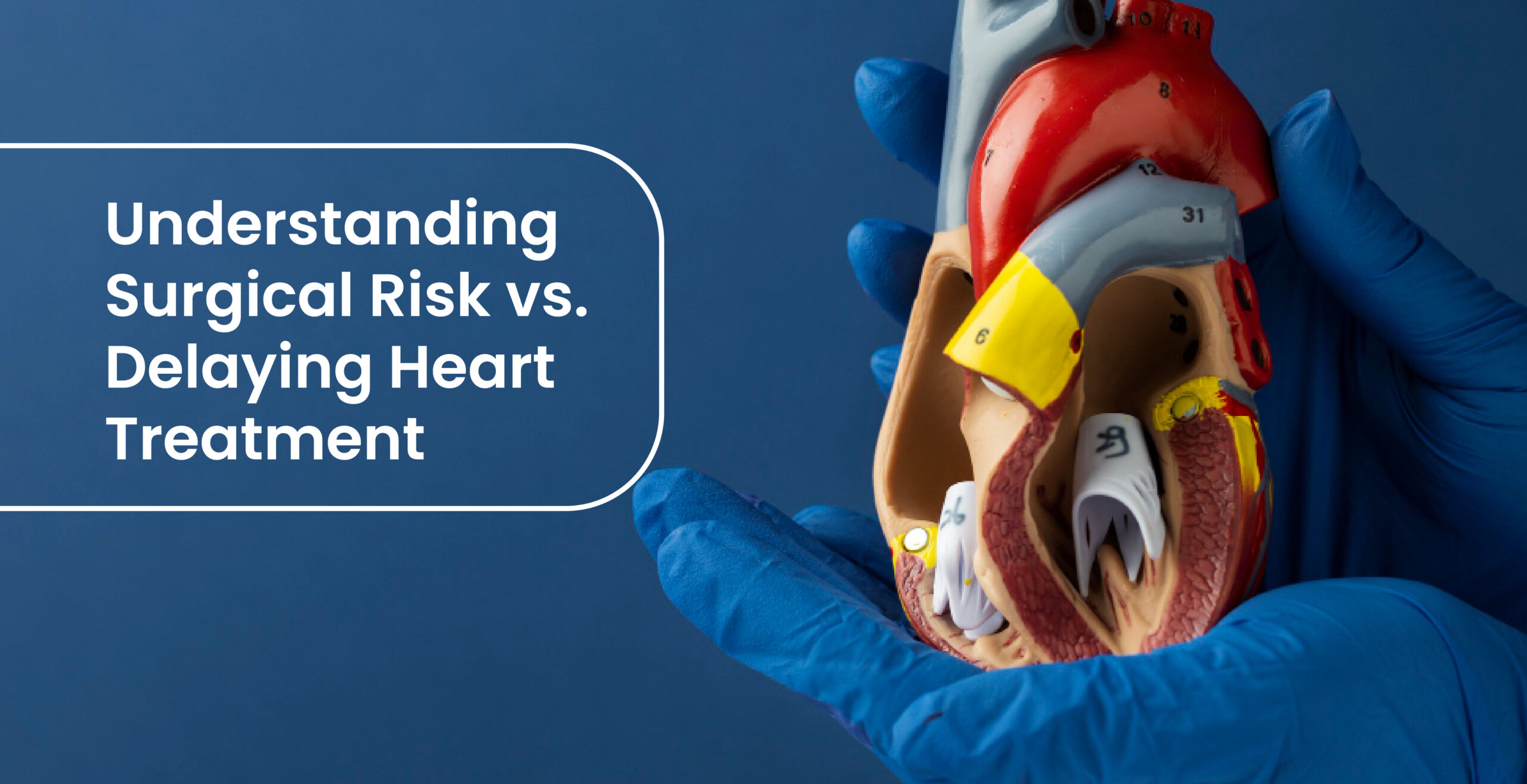
Understanding Surgical Risk vs. Delaying Heart Treatment
Peripheral Vascular Disease (PVD) is a common yet often overlooked circulatory condition that affects millions globally. In India, where cardiovascular diseases are on the rise, awareness about PVD remains low.
Common Warning Signs Patients Ignore Before Major Heart Problems
Peripheral Vascular Disease (PVD) is a common yet often overlooked circulatory condition that affects millions globally. In India, where cardiovascular diseases are on the rise, awareness about PVD remains low.

Life After Bypass Surgery: Diet, Exercise & Long-Term Care Tips
Peripheral Vascular Disease (PVD) is a common yet often overlooked circulatory condition that affects millions globally. In India, where cardiovascular diseases are on the rise, awareness about PVD remains low.

Is Your Desk Job Hurting Your Heart? Tips to Improve Circulation at Work
Peripheral Vascular Disease (PVD) is a common yet often overlooked circulatory condition that affects millions globally. In India, where cardiovascular diseases are on the rise, awareness about PVD remains low.
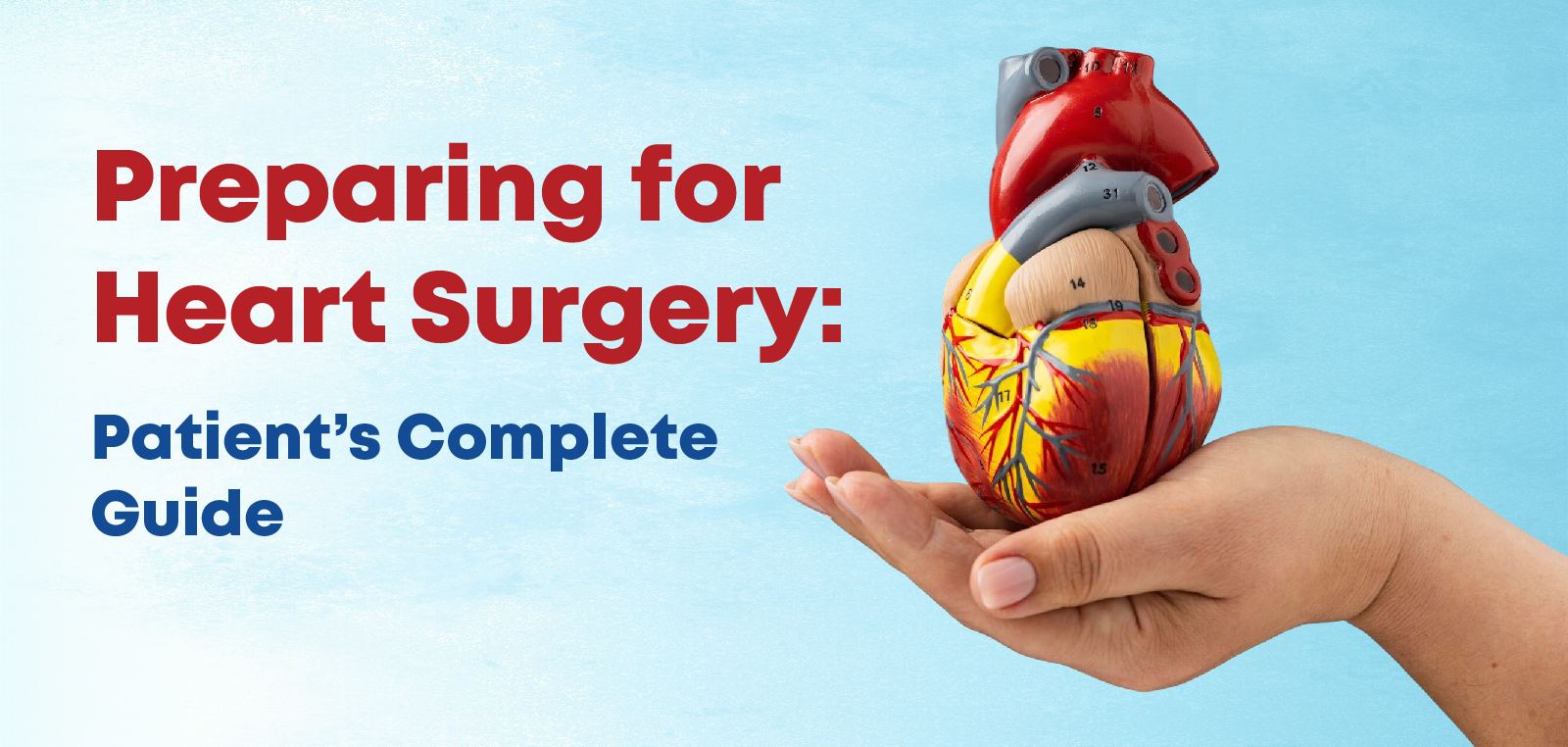
Preparing for Heart Surgery: A Patient’s Complete Guide
Peripheral Vascular Disease (PVD) is a common yet often overlooked circulatory condition that affects millions globally. In India, where cardiovascular diseases are on the rise, awareness about PVD remains low.
Minimally Invasive Cardiac Surgery (MICS) The Future of Heart Care in India
Peripheral Vascular Disease (PVD) is a common yet often overlooked circulatory condition that affects millions globally. In India, where cardiovascular diseases are on the rise, awareness about PVD remains low.

Understanding Peripheral Vascular Disease (PVD)
Peripheral Vascular Disease (PVD) is a common yet often overlooked circulatory condition that affects millions globally. In India, where cardiovascular diseases are on the rise, awareness about PVD remains low.

How Much Sleep Does Your Heart Need?
How Much Sleep Does Your Heart Need? By Dr. Shridhar Padagatti – Active Heart Clinic We all know that sleep helps us feel refreshed, but did you know it also gives your heart a break? While you rest, your heart slows down, your blood pressure drops, and your body enters repair mode. This downtime is essential—not just for your energy levels, but for your long-term heart health. At Active Heart Clinic, we often remind patients that a healthy lifestyle includes more than just eating right and exercising. Quality sleep is just as important. So how much sleep does your heart actually need, and how can you get it? Let’s find out. Why Sleep Matters for Your Heart When you sleep, your body doesn’t just switch off—it performs essential maintenance. Your heart and blood vessels get a chance to rest and repair. Hormones that affect stress, hunger, and inflammation are regulated, and your heart rate and blood pressure naturally dip. Lack of sleep puts stress on your body, raises inflammation levels, disrupts hormone function, and increases your risk of: High blood pressure Irregular heartbeat Heart disease Stroke Obesity and type 2 diabetes (both linked to poor heart health) Even one or two nights of poor sleep can raise blood pressure levels the next day. Over time, chronic sleep deprivation can seriously affect your cardiovascular system. How Much Sleep Does Your Heart Really Need? The sweet spot for most adults is 7 to 9 hours of quality sleep per night. Anything less than 6 hours or more than 9 hours regularly can increase your risk of heart problems. But it’s not just about quantity—it’s also about sleep quality. Tossing and turning all night or waking up frequently can be just as harmful as not getting enough sleep. Signs Your Sleep May Be Hurting Your Heart If you’re wondering whether poor sleep could be affecting your heart, watch out for these signs: You wake up tired even after a full night’s sleep You snore loudly or experience sleep apnea (breathing stops briefly during sleep) You feel sleepy during the day or need regular naps to function You have frequent headaches or trouble concentrating You’ve recently gained weight without changing your diet These symptoms could indicate sleep disorders like sleep apnea, which is closely linked to heart rhythm problems, high blood pressure, and even heart failure. Sleep & Heart Conditions: The Connection Research shows a strong link between poor sleep and cardiovascular diseases. Here’s how it affects your heart: High Blood Pressure Sleep helps regulate stress hormones and keeps your nervous system calm. Without enough rest, your body remains in a heightened stress state, which causes blood pressure to remain elevated—even while you sleep. Increased Heart Rate & Inflammation Inadequate sleep raises the body’s inflammation levels, which is a known contributor to atherosclerosis (narrowing of arteries) and heart attacks. Weight Gain & Diabetes Poor sleep affects the hormones that control hunger, making you crave sugar and carbs. This leads to weight gain, insulin resistance, and eventually heart disease. Disrupted Heart Rhythm Sleep disorders such as sleep apnea can cause irregular heartbeat (arrhythmia), which increases the risk of stroke and heart failure. Tips for Heart-Friendly Sleep If you’re looking to improve your sleep for better heart health, here are some easy, doctor-approved bedtime habits you can start today: Stick to a Sleep Schedule Go to bed and wake up at the same time every day—even on weekends. This helps regulate your body’s internal clock. Limit Screen Time Before Bed Blue light from phones and TVs suppresses melatonin, the hormone that helps you sleep. Try to turn off screens at least an hour before bedtime. Avoid Heavy Meals Late at Night Spicy or heavy foods can lead to indigestion and poor sleep. Try to finish eating at least 2–3 hours before bed. Cut Down on Caffeine and Alcohol Both caffeine and alcohol can interfere with sleep cycles. Limit their intake, especially in the evening. Create a Relaxing Sleep Environment Keep your bedroom cool, dark, and quiet. Invest in a good mattress and blackout curtains. Use calming scents like lavender or play soft music to relax. Manage Stress Try meditation, yoga, or deep-breathing exercises before bed. High stress levels can keep your body alert and your heart rate elevated, making sleep harder. Exercise During the Day Regular physical activity helps you fall asleep faster and stay asleep longer. Just avoid exercising too close to bedtime. When Should You See a Doctor? If you’re struggling to get quality sleep and it’s affecting your energy, mood, or health, don’t ignore it. Speak with a healthcare professional—especially if you have a history of heart problems or experience symptoms like snoring, gasping for air, or night sweats. At Active Heart Clinic, Dr. Shridhar Padagatti offers comprehensive heart care and can guide you through sleep assessments or refer you for sleep studies if necessary. Final Thoughts Your heart works hard for you all day—give it the rest it deserves at night. Quality sleep isn’t a luxury; it’s a vital part of your heart’s recovery and overall function. If you’re sleeping less than 6 hours or constantly waking up feeling tired, it’s time to make changes. Your future heart health depends on the choices you make today. For personalized guidance on improving your heart and sleep health, book a consultation at Active Heart Clinic with Dr. Shridhar Padagatti. Your heart—and your body—will thank you. Address – 001, Himath Ghar. Plot No. 539-A Opp Khatri Manzil 13th Road Khar (W) Email: drshridhargpadagatti@gmail.com Contact No. +91 99304 53556