
- Mon - Sat : 5:30 - 8:30
- Sunday - CLOSED
- +91 99304 53556
- drshridhargpadagatti@gmail.com
- Khar(W), Mumbai
- 001, Himath Ghar
Heart Health

5 Signs Your Heart Might Be Tired
5 Signs Your Heart Might Be Tired By Dr. Shridhar Padagatti – Active Heart Clinic Your heart works around the clock—pumping blood, supplying oxygen, and keeping every cell in your body alive. But like any other hardworking muscle, even your heart can get tired. Unlike sore legs or aching arms, however, the signs of a tired heart are often subtle and easy to overlook. Ignoring these symptoms could lead to more serious problems. That’s why it’s important to listen to your body and understand the early warnings that something may not be right with your heart. Let’s explore five simple but significant signs that your heart might be overworked or not functioning efficiently—and why you shouldn’t ignore them. Persistent Fatigue We all get tired from time to time—after a long day or a poor night’s sleep. But if you’re constantly feeling drained, even after resting, your heart could be the reason. Why it happens: When your heart isn’t pumping blood efficiently, your muscles and organs don’t receive enough oxygen and nutrients. As a result, even simple tasks like climbing stairs or doing household chores may feel exhausting. Fatigue caused by heart problems is often described as a deep, lingering tiredness that doesn’t go away with rest. When to worry: If you’re getting enough sleep, eating well, and still feel unusually sluggish for days or weeks, it’s time to check your heart health. Shortness of Breath Do you feel out of breath walking to your mailbox? Or find it hard to breathe while lying down flat? Shortness of breath—also known as dyspnea—can be a key sign that your heart is struggling. Why it happens: When the heart can’t pump blood efficiently, fluid can back up into the lungs. This makes it harder to breathe, especially during exertion or while lying down. When to worry: If you’re getting winded from light activities or waking up gasping for air, it may be a sign of heart failure or valve problems. This symptom requires prompt medical attention. Chest Discomfort Chest pain is a well-known warning sign of a heart attack—but discomfort in the chest can also be a more subtle sign of an overworked heart. Why it happens: If the heart isn’t getting enough oxygen-rich blood (due to narrowed or blocked arteries), it may cause pain or pressure in the chest. Some people describe it as a tightness, squeezing, or heaviness rather than sharp pain. When to worry: Chest discomfort that occurs during activity and goes away with rest may indicate angina—a sign of reduced blood flow to the heart. If chest pain is sudden, intense, or accompanied by nausea or sweating, seek emergency care immediately. Swelling in Legs, Ankles, or Feet Noticing puffiness in your lower limbs? This could be more than just water retention—it might be a sign your heart needs help. Why it happens: When the heart can’t pump blood effectively, fluid can collect in your extremities, especially in your feet and ankles. This is called edema. It’s common in heart failure or when the heart’s right side is weakened. When to worry: If the swelling is persistent, occurs daily, or is accompanied by shortness of breath or weight gain, it’s a good idea to have your heart function evaluated. Irregular Heartbeat or Palpitations Do you feel like your heart skips a beat, races suddenly, or beats too slowly? These fluttery or pounding sensations could be signs of arrhythmia—an irregular heartbeat that may signal trouble. Why it happens: A tired or weakened heart may struggle to maintain a regular rhythm. Electrical problems in the heart can cause it to beat too fast (tachycardia), too slow (bradycardia), or erratically. When to worry: Occasional palpitations are common and often harmless, but if you experience frequent irregularities, dizziness, or fainting, it may be due to a more serious underlying heart issue. What Causes a Tired Heart? Several factors can contribute to heart fatigue or weakened heart function: High blood pressure Coronary artery disease Diabetes Obesity Chronic stress or anxiety Sedentary lifestyle Smoking Poor diet Sometimes, heart fatigue is caused by conditions like cardiomyopathy or congestive heart failure. Early diagnosis and lifestyle modifications can prevent further damage. When to See a Doctor If you notice one or more of the symptoms mentioned above—especially if they persist or worsen—don’t brush them off. Early intervention can make all the difference. At Active Heart Clinic, Dr. Shridhar Padagatti offers advanced screening, accurate diagnosis, and compassionate care for patients experiencing symptoms of heart fatigue or failure. With extensive experience in cardiothoracic and vascular surgery, he provides expert guidance and treatment plans tailored to your individual condition. How to Support a Healthy Heart Here are a few simple steps to keep your heart energized and functioning at its best: Exercise regularly (at least 30 minutes of brisk walking most days) Eat a heart-friendly diet (low in salt, sugar, and unhealthy fats) Quit smoking Manage stress through meditation or relaxation techniques Limit alcohol and caffeine intake Keep chronic conditions like diabetes or hypertension under control Get regular health check-ups, especially if you have a family history of heart disease Final Thoughts Your heart may not always shout when it’s in trouble—but it does whisper. Fatigue, breathlessness, chest pressure, swelling, or palpitations are your body’s way of signaling that something may be off. Don’t ignore these signs. A “tired” heart doesn’t mean the end—it just means it needs support and care. With timely attention, proper diagnosis, and the right treatment, your heart can regain its strength and continue beating strong. Listen to your heart—it’s working hard for you every day. If you’re experiencing any of these symptoms, schedule a consultation with Dr. Shridhar Padagatti at Active Heart Clinic today. Address – 001, Himath Ghar. Plot No. 539-A Opp Khatri Manzil 13th Road Khar (W) Email: drshridhargpadagatti@gmail.com Contact No. +91 99304 53556

How Exercise Strengthens Your Heart
How Exercise Strengthens Your Heart In today’s fast-paced world, heart disease continues to be one of the leading causes of death globally. But here’s the good news — many heart problems can be prevented, managed, or even reversed through simple lifestyle changes, especially regular physical activity. At Active Heart Clinic, we believe that exercise isn’t just about fitness — it’s about building a stronger, healthier heart. Why Is Exercise Good for the Heart? Your heart is a muscle — and just like any muscle, it gets stronger when you use it. Regular exercise improves the heart’s efficiency in pumping blood and helps reduce the workload on this vital organ. Here’s how it supports your heart: Improves blood circulation Lowers blood pressure Reduces bad cholesterol (LDL) and increases good cholesterol (HDL) Helps maintain a healthy weight Manages blood sugar levels Reduces inflammation Boosts mood and reduces stress In fact, people who engage in regular physical activity reduce their risk of developing heart disease by up to 50%. Recommended Exercise Guidelines According to the American Heart Association, adults should aim for: 150 minutes of moderate-intensity aerobic activity per week (e.g., brisk walking, cycling), or 75 minutes of vigorous-intensity aerobic activity (e.g., running, swimming), and 2 days of muscle-strengthening activities (e.g., weight training or resistance exercises) Consistency is key — even small amounts of activity each day can add up to big benefits over time. Best Exercises to Support Heart Health Let’s look at some heart-friendly exercises that can easily become part of your lifestyle: 1. Brisk Walking Walking is one of the simplest ways to start moving. It’s low-impact, easy to stick to, and highly effective. A daily 30-minute brisk walk can boost circulation, lower blood pressure, and clear your mind. 2. Swimming Swimming is a full-body workout that’s gentle on the joints. It helps improve endurance, heart function, and lung capacity. Perfect for people of all ages — especially those with joint concerns. 3. Cycling Whether indoors or outdoors, cycling is a fun and effective way to get your heart rate up. It strengthens leg muscles, improves balance, and supports overall cardiovascular health. 4. Resistance Training Strength training (like lifting weights or using resistance bands) builds muscle, burns fat, and enhances metabolism. Stronger muscles mean a more efficient heart. Aim for two sessions a week focusing on major muscle groups. 5. Stretching and Flexibility Stretching may not seem directly related to heart health, but it supports mobility, posture, and injury prevention — which means you can stay active longer. Yoga and Pilates also combine stretching with relaxation, reducing stress and promoting a calm, heart-friendly environment. If You Have a Heart Condition. If you’ve been diagnosed with heart disease or have symptoms like shortness of breath, fatigue, or chest discomfort — always consult your cardiologist before starting any exercise program. At Active Heart Clinic, we offer personalized cardiac care plans and can guide you toward a safe, effective exercise routine based on your health condition and goals. Tips to Stay Consistent Start slow – even 10-minute walks count Choose activities you enjoy – you’re more likely to stick with them Set small, achievable goals – build confidence over time Track your progress – use a journal, app, or fitness watch Find a workout buddy – accountability makes a big difference In Conclusion A healthy heart doesn’t just beat — it thrives. By staying active and making exercise part of your daily routine, you’re not only reducing your risk of heart disease but also boosting your energy, improving your mood, and adding quality years to your life. Your heart works hard for you — let’s return the favor. For personalized heart care and expert guidance on heart-healthy living, visit Dr. Shridhar Padagatti at Active Heart Clinic. Address – 001, Himath Ghar. Plot No. 539-A Opp Khatri Manzil 13th Road Khar (W) Email: drshridhargpadagatti@gmail.com Contact No. +91 99304 53556

How Depression Affects Your Heart
How Depression Affects Your Heart Dr. Shridhar Padagatti – Active Heart Clinic When we think about heart health, we often focus on physical factors like cholesterol levels, blood pressure, and diet. But there’s another powerful influence that’s often overlooked—your mental health. In particular, depression can have a surprisingly strong impact on your heart. At Active Heart Clinic, under the guidance of Dr. Shridhar Padagatti, we emphasize treating the heart as a part of the whole body—and that includes your emotional well-being. Let’s dive deeper into how depression affects your heart and what you can do to protect it. The Link Between Depression and Heart Health Depression is more than just feeling sad. It’s a mental health condition that can deeply affect your thoughts, energy levels, sleep, and physical health—including the health of your heart. Here’s how depression can negatively impact your heart: Increased Inflammation Depression can trigger chronic inflammation in the body. High inflammation levels are known to contribute to plaque build-up in arteries, increasing the risk of heart attacks and other cardiovascular conditions. Stress Hormones Run High When you’re depressed or anxious, your body is in a constant “fight-or-flight” mode. This raises the levels of stress hormones like cortisol and adrenaline, which can elevate your heart rate and blood pressure, damaging your heart over time. Unhealthy Habits People with depression are more likely to smoke, eat unhealthy foods, skip exercise, and ignore medical advice—all of which contribute to heart problems. These habits create a vicious cycle that affects both mental and heart health. Poor Sleep Patterns Depression often disrupts sleep. Whether it’s insomnia or oversleeping, poor sleep is directly associated with a higher risk of heart disease, high blood pressure, and arrhythmias (irregular heartbeat). Lowered Motivation Depression can make it harder to stick to heart-healthy routines like taking medication, following a balanced diet, or scheduling doctor visits—all of which are essential for managing cardiac conditions. Immune System Impairment Depression weakens the immune system, making your body more prone to illnesses that can stress your cardiovascular system. Depression and Heart Failure: A Two-Way Street Did you know? Not only can depression increase your risk of developing heart disease, but living with heart failure or a cardiac condition can also lead to depression. The emotional weight of managing a chronic illness often leads to feelings of hopelessness, anxiety, or fear—creating a loop where each condition feeds the other. That’s why it’s crucial to address both mental and physical health—not one at the expense of the other. How to Manage Depression and Protect Your Heart Managing depression doesn’t just improve your mood—it could also save your heart. Here are some lifestyle changes that Dr. Shridhar Padagatti recommends for a healthier, balanced life: Practice Mindful Relaxation Incorporate yoga, meditation, or deep-breathing exercises into your routine to reduce stress and balance your mood. Move Your Body Regular physical activity is one of the most effective ways to fight depression and improve heart health. Even a 30-minute walk can make a big difference. Eat for Your Mood and Heart Consume more fruits, veggies, whole grains, and omega-3-rich foods. Avoid excess sugar and processed items, which can worsen both depression and heart health. Prioritize Quality Sleep Aim for 7–8 hours of restful sleep every night. Stick to a routine and create a calming pre-sleep ritual. Stay Connected Reach out to friends, family, or support groups. Social isolation can worsen depression and increase stress on your heart. Seek Professional Help Don’t hesitate to reach out to a mental health specialist or your physician. Therapy and, if needed, medications can help you manage depression effectively. When to See a Doctor If you’re experiencing persistent sadness, anxiety, or emotional numbness—and especially if you have an existing heart condition—it’s important to seek help early. At Active Heart Clinic, Dr. Shridhar Padagatti offers a compassionate, holistic approach to care. We understand that your emotional well-being is an important part of your heart health journey. Final Thoughts Your heart and mind are more connected than you might think. Depression is not just a mental struggle—it can be a risk factor for heart disease. But with the right lifestyle choices, support, and care, you can break the cycle and take control of your emotional and physical health. If you’re ready to put your heart and mind first, book an appointment at Active Heart Clinic today. Let us help you live stronger, healthier, and happier. Address – 001, Himath Ghar. Plot No. 539-A Opp Khatri Manzil 13th Road Khar (W) Email: drshridhargpadagatti@gmail.com Contact No. +91 99304 53556
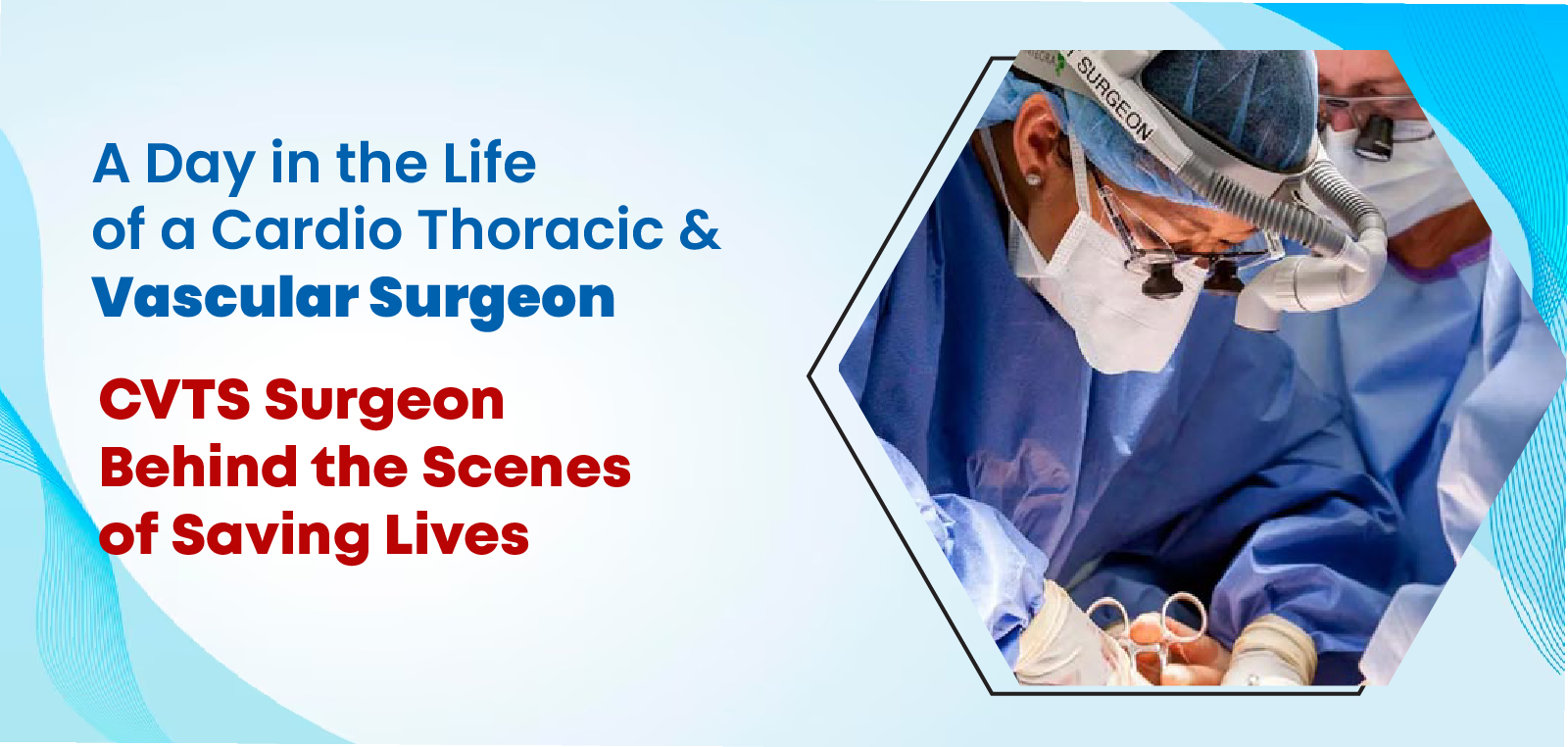
A Day in the Life of a Cardio Thoracic and Vascular Surgeon
A Day in the Life of a Cardio Thoracic and Vascular Surgeon (CVTS Surgeon): Behind the Scenes of Saving Lives Behind every life saved in the operating room lies the dedication, precision, and unwavering focus of a cardio-thoracic and vascular surgeon (CVTS surgeon). Their work involves a unique combination of skill, empathy, and resilience. Today, let’s take a closer look at a day in the life of Dr. Shridhar Padagatti, a renowned CVTS surgeon at Active Heart Clinic, to understand the immense dedication behind saving lives. Early Morning: Preparation for a Day of Challenges The day begins before sunrise for Dr. Padagatti. He starts his morning with some light exercise, yoga, or meditation to maintain physical fitness and mental clarity – both essential for someone working in high-pressure environments. By 7:00 AM, he’s at the clinic or hospital, reviewing patient cases and test results with his team. From angiograms to echocardiograms, every detail of a patient’s heart and vascular health is carefully analyzed to craft the best surgical strategy. 8:00 AM: Patient Consultations and Pre-Operative Rounds Before entering the operating room, Dr. Padagatti meets with patients and their families. Whether it’s explaining the details of an upcoming heart valve replacement or calming the anxieties of someone facing bypass surgery, these conversations require a balance of technical knowledge and empathy. Pre-operative rounds follow, where he checks on patients admitted for surgery. Discussions with the anesthesiology team and surgical nurses ensure everyone is aligned for a successful procedure. 9:00 AM to Early Afternoon: Time in the Operating Room The heart of a CVTS surgeon’s day lies in the operating room. This is where precision meets skill, and every decision can be life-changing. Dr. Padagatti might perform a range of procedures, including: Coronary Artery Bypass Surgery: Creating a detour around blocked arteries. Valve Replacement or Repair: Fixing or replacing damaged heart valves to restore blood flow. Aortic Aneurysm Repair: Preventing life-threatening ruptures. Vascular Surgeries: Addressing blockages or complications in peripheral arteries. Each surgery can last several hours, requiring intense concentration, teamwork, and meticulous technique. Between procedures, there’s barely time for a quick snack or hydration break. 2:00 PM: Post-Surgery Updates and Patient Monitoring Once surgeries are complete, Dr. Padagatti ensures patients are stable and briefs their families. Providing reassurance to anxious families is as important as the surgery itself, as they are often overwhelmed with concern for their loved ones. Post-operative care is crucial, so he works closely with the ICU team to monitor patients and adjust treatment plans as needed. Afternoon: Follow-Up Appointments and Outpatient Care The later part of the day is dedicated to outpatient consultations. Dr. Padagatti sees patients recovering from surgery, offering guidance on rehabilitation, lifestyle changes, and medications. He also meets with individuals managing chronic heart or vascular conditions, such as hypertension, varicose veins, or peripheral artery disease. Each case requires a personalized approach, as no two patients are the same. Late Evening: Time to Recharge After a long and demanding day, Dr. Padagatti winds down by spending quality time with his family. Whether it’s sharing a meal, reading, or reflecting on the day, this time is vital to recharge for the challenges ahead. The Unsung Heroes: A Look Beyond the Scalpel While the surgeries and consultations form the visible part of a CVTS surgeon’s work, the mental and emotional toll is often invisible. The responsibility of holding a person’s life in your hands, making critical decisions in seconds, and comforting families through uncertain times is immense. Dr. Shridhar Padagatti’s journey as a CVTS surgeon at Active Heart Clinic is not just a testament to medical expertise but also to the resilience and compassion that define true healers. Inspiring the Next Generation For aspiring medical professionals, the life of a CVTS surgeon might seem overwhelming. But as Dr. Padagatti often says, “There’s no greater reward than seeing a heart beat stronger and a life saved because of your work.” If you’re inspired by his journey and want to learn more about cardiovascular health, or if you’re seeking expert advice for yourself or a loved one, visit Active Heart Clinic. Your heart deserves the best care! Address – 001, Himath Ghar. Plot No. 539-A Opp Khatri Manzil 13th Road Khar (W) Email: drshridhargpadagatti@gmail.com Contact No. +91 99304 53556
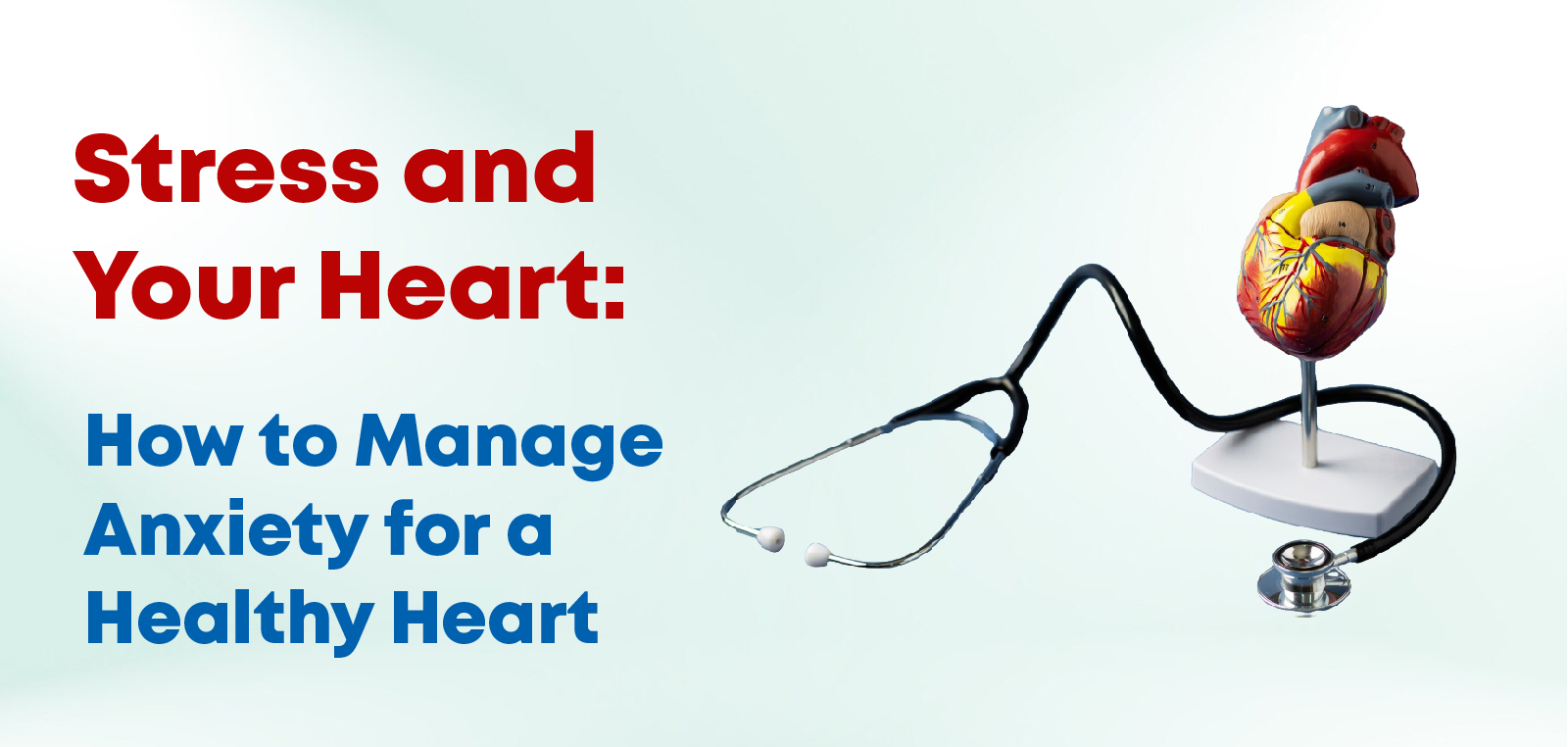
Stress and Your Heart: How to Manage Anxiety for a Healthy Heart
Stress and Your Heart: How to Manage Anxiety for a Healthy Heart Modern life can be fast-paced, demanding, and often overwhelming. From juggling professional responsibilities to managing personal commitments, stress has become a constant companion for many. While occasional stress is a normal part of life, chronic stress can take a toll on your overall health—particularly your heart. At Active Heart Clinic, Dr. Shridhar Padagatti emphasizes the importance of understanding how stress affects your heart and adopting effective strategies to manage anxiety for a healthier life. The Connection Between Stress and Heart Health Your body is designed to respond to stress through a natural “fight-or-flight” mechanism. During stressful situations, your body releases hormones like adrenaline and cortisol, which increase your heart rate, blood pressure, and energy levels. While this response can be beneficial in short bursts, prolonged stress keeps your body in overdrive, putting excessive strain on your cardiovascular system. Here’s how chronic stress impacts your heart: Increased Heart Rate and Blood Pressure: Prolonged stress raises your blood pressure, which can damage arteries over time and increase the risk of heart attacks or strokes. Elevated Risk of Inflammation: Stress triggers inflammatory responses in the body, contributing to plaque buildup in the arteries, leading to atherosclerosis. Unhealthy Coping Mechanisms: Stress often leads to unhealthy behaviors like overeating, smoking, or excessive alcohol consumption—all of which harm your heart. Heart Rhythm Disorders: Chronic stress and anxiety can lead to arrhythmias (irregular heartbeats), which may escalate into more severe conditions. Signs That Stress Is Affecting Your Heart It’s crucial to recognize when stress is impacting your cardiovascular health. Common warning signs include: Frequent chest pain or tightness Increased heart rate or palpitations Difficulty sleeping or chronic fatigue Frequent headaches or migraines Shortness of breath, even during light physical activity If you experience any of these symptoms, consult a heart specialist like Dr. Shridhar Padagatti to assess your heart health and develop a treatment plan tailored to your needs. How to Manage Anxiety for a Healthy Heart Practice Mindfulness: Spend 10 minutes daily on deep breathing or meditation to calm your mind. Stay Active: Aim for 30 minutes of moderate exercise, like walking or yoga, five times a week. Eat a Balanced Diet: Include leafy greens, omega-3-rich fish, whole grains, and berries. Avoid processed foods and high-sodium snacks. Prioritize Sleep: Stick to a regular sleep schedule and create a calming bedtime routine. Build Social Connections: Spend time with loved ones for emotional support and stress relief. Limit Alcohol and Caffeine: Replace sugary drinks with herbal teas and moderate alcohol intake. Seek Professional Help: Consult a therapist or stress management expert when needed. Why Choose Active Heart Clinic for Stress-Related Heart Care At Active Heart Clinic, we believe in a holistic approach to heart health. Dr. Shridhar Padagatti and his expert team understand that managing stress is an integral part of maintaining a healthy heart. Whether it’s through lifestyle counseling, medical interventions, or advanced diagnostic services, we’re here to support you at every step of your journey to better health. Conclusion Stress is an inevitable part of life, but it doesn’t have to control your heart health. By incorporating mindfulness practices, staying active, eating a balanced diet, and prioritizing self-care, you can significantly reduce anxiety and protect your heart. If you’re concerned about how stress is affecting your heart, visit Active Heart Clinic today. Let us help you take proactive steps toward a stress-free and heart-healthy life Address – 001, Himath Ghar. Plot No. 539-A Opp Khatri Manzil 13th Road Khar (W) Email: drshridhargpadagatti@gmail.com Contact No. +91 99304 53556
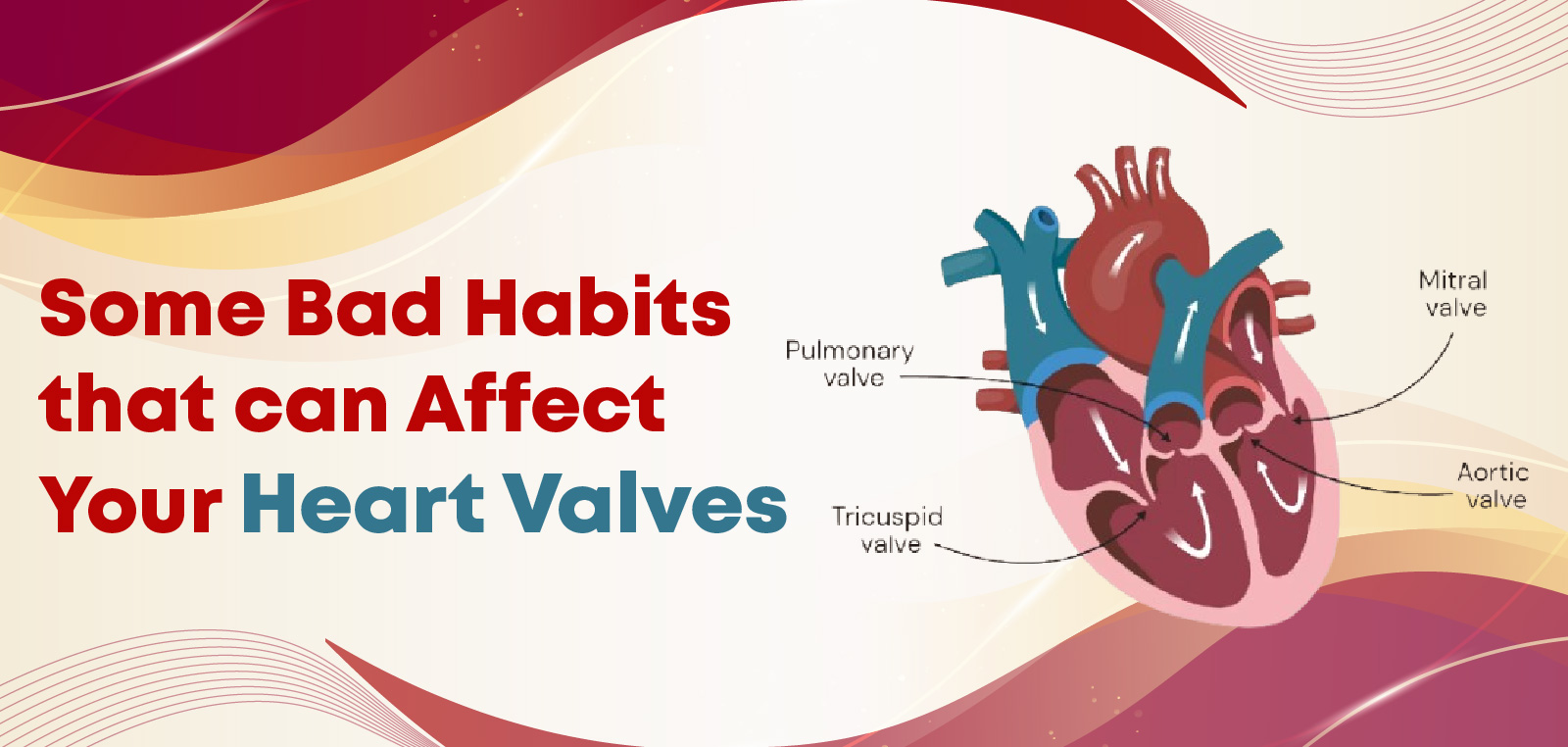
Some Bad Habits that can Affect Your Heart Valves
Some Bad Habits that can Affect Your Heart Valves The human heart is a remarkable organ with a sophisticated system designed to keep the blood flowing in a steady, regulated manner. A vital part of this system involves the four heart valves—mitral, tricuspid, pulmonary, and aortic—which open and close to control the movement of blood through the heart and to the rest of the body. These valves have flaps that must work properly to ensure the blood flows efficiently and that no blood is lost through improper closure or narrowed openings. However, when these heart valves fail to function optimally, it can disrupt the normal flow of blood. Valve dysfunction can lead to serious conditions such as heart failure, and in some cases, the valves may need to be replaced through surgery. Experts specializing in heart valve replacement surgery in Khar, Mumbai suggest that heart valve problems can either be congenital (present at birth) or develop later in life, often due to underlying medical conditions or poor lifestyle choices. Two common problems that affect heart valves are: Regurgitation: This occurs when the flaps of the valve do not close properly, causing blood to flow backward. Stenosis: This happens when the valve flaps stiffen or thicken, leading to a narrowing of the valve, which obstructs normal blood flow. Although some factors that increase the risk of valve problems, such as genetics and age, are beyond our control, many are preventable. Unhealthy habits like poor diet, lack of exercise, and stress can significantly increase the likelihood of developing valve issues. By making healthy lifestyle choices, you can lower your risk of developing heart valve conditions and improve your overall heart health. Habits that can Negatively Affect your heart Valves : 1. Spending Most of Your Day Sitting A sedentary lifestyle is one of the leading causes of numerous health problems, including heart valve issues. Prolonged sitting, especially for 5 to 6 hours at a stretch, is linked to an increased risk of heart failure, primarily because it makes it difficult for the body to manage risk factors like diabetes, hypertension, and high cholesterol. These risk factors can, in turn, affect the health of your heart valves. To combat this, make sure to take regular breaks from sitting. Even if your job requires long periods of sitting, make it a point to stand, walk around, or stretch every 30 minutes. Simple activities like standing up or taking a brisk walk for a few minutes can help keep your heart healthy and ensure that blood is circulating properly throughout your body. 2. Drinking Beyond the Safety Limits While moderate alcohol consumption can be part of a healthy lifestyle for some people, excessive drinking has been shown to have a negative impact on heart health. Drinking alcohol in large amounts can increase blood pressure, damage the heart muscle, and raise the levels of certain harmful fats in the blood, all of which can damage your heart valves over time. If you already have heart disease, it’s advisable to avoid alcohol altogether, as it may exacerbate existing conditions. It’s important to drink in moderation—perhaps a glass of wine on occasion or a cocktail at a social gathering—but avoid making alcohol a regular habit. By limiting your alcohol intake, you can protect your heart valves and reduce the risk of further complications. 3. Taking Too Much Stress Stress is an inevitable part of life, but chronic stress can wreak havoc on your heart. When you’re under stress, your body releases adrenaline and cortisol, hormones that prepare your body for the “fight-or-flight” response. These hormones elevate your heart rate and blood pressure, which over time can damage your blood vessels and heart valves, increasing your risk of heart disease, heart attacks, and strokes. It’s essential to find healthy ways to manage stress, such as practicing mindfulness, meditation, yoga, or deep breathing exercises. If stress is overwhelming and affecting your health, don’t hesitate to seek support from a mental health professional or counselor. Managing stress effectively can significantly improve your heart health and protect your valves from unnecessary strain. 4. Taking Too Much Salt Salt is a common ingredient in many foods, but excessive sodium intake can have a negative impact on your heart health, including the functioning of your heart valves. High salt consumption can lead to high blood pressure, which places extra pressure on the heart and its valves. Over time, this strain can contribute to the development of valve problems, particularly stenosis (narrowing of the valve). To maintain a heart-healthy diet, try to reduce the amount of salt you use in cooking and opt for lower-sodium alternatives. Be mindful of packaged and processed foods, which often contain high levels of hidden salt. If you already have high blood pressure or other risk factors, it’s essential to consult with a doctor to determine how much sodium is safe for your diet. 5. Smoking Smoking is one of the most harmful habits for your heart. The chemicals in tobacco smoke can damage blood vessels and lead to the buildup of plaque in the arteries, which can eventually affect the heart valves. Smokers are at a higher risk of developing atherosclerosis (hardening of the arteries), which can contribute to valve problems, including stenosis. If you smoke, quitting is the most effective way to improve your heart health and prevent further damage to your valves. There are various resources and support systems available to help you quit smoking, including nicotine replacement therapies, counseling, and support groups. 6. Being Overweight or Obese Excess weight can significantly impact your heart health, including the functioning of your heart valves. Obesity increases the risk of high blood pressure, diabetes, and high cholesterol—all of which are known risk factors for heart disease and valve problems. Additionally, carrying extra weight puts more strain on your heart, forcing it to work harder and potentially damaging the heart valves over time. To maintain a healthy weight, aim for a balanced diet rich in fruits, vegetables, lean proteins,
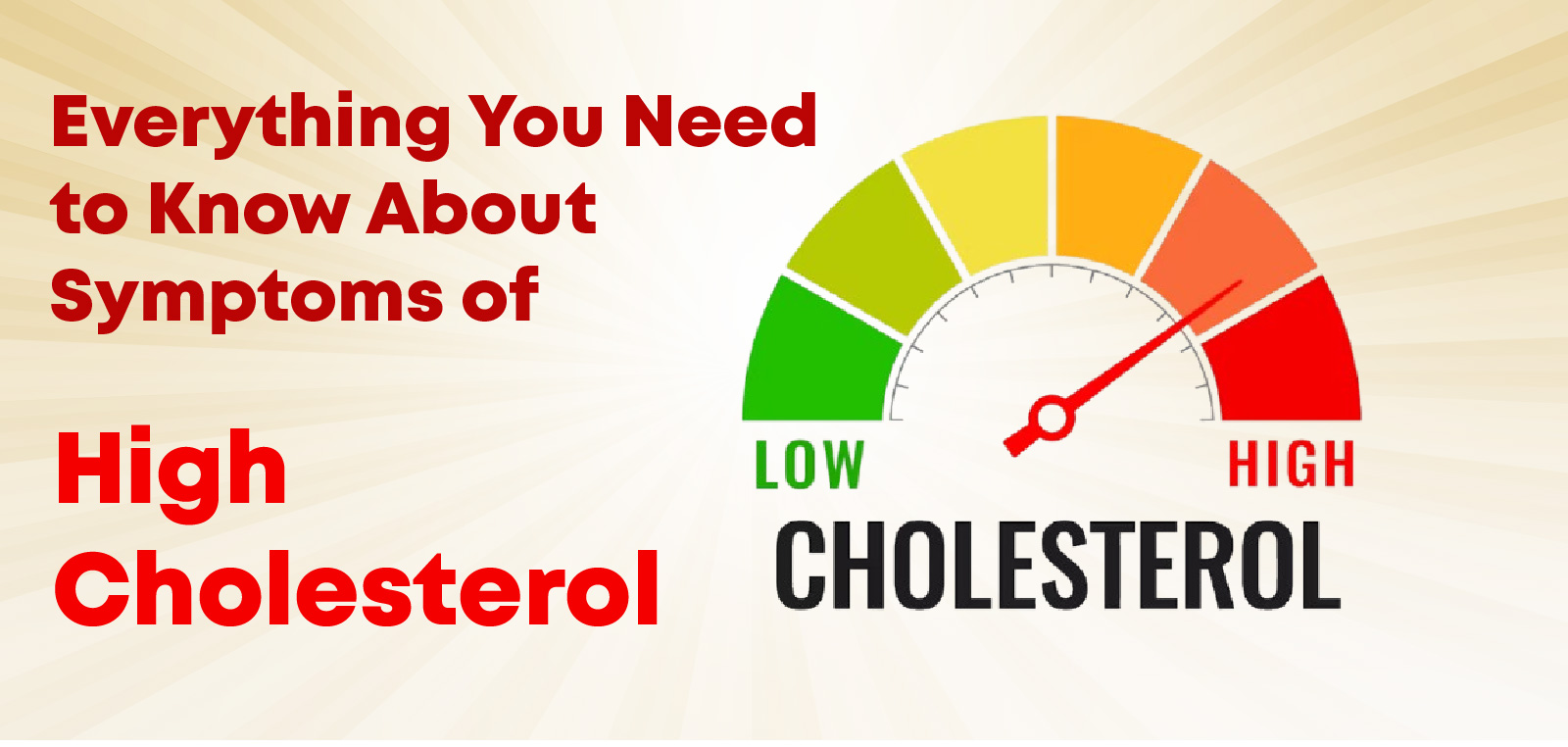
Everything You Need to Know About Symptoms of High Cholesterol
Everything You Need to Know About Symptoms of High Cholesterol Cholesterol is a waxy substance found in your blood that plays a crucial role in various bodily functions, including producing hormones and vitamin D. However, high levels of cholesterol, particularly low-density lipoprotein (LDL) or “bad” cholesterol, can increase your risk of developing heart disease, stroke, and other cardiovascular problems. The surprising fact is that high cholesterol often doesn’t cause any noticeable symptoms until it’s too late. Understanding the potential signs and symptoms of high cholesterol can help you take proactive steps to manage your cholesterol levels and reduce your risk of serious health complications. What is High Cholesterol? Cholesterol is a type of lipid (fat) that is produced naturally by the liver and also obtained from the foods we eat. There are two main types of cholesterol Low-Density Lipoprotein (LDL) Cholesterol: Often referred to as “bad” cholesterol, LDL cholesterol can build up in the walls of your arteries, causing them to narrow and increasing the risk of heart disease and stroke. High-Density Lipoprotein (HDL) Cholesterol: Known as “good” cholesterol, HDL helps remove LDL cholesterol from your arteries and transport it to the liver for elimination. High cholesterol is typically defined as having an LDL cholesterol level above 160 mg/dL (4.1 mmol/L) or a total cholesterol level above 200 mg/dL (5.2 mmol/L). Signs and Symptoms of High Cholesterol Unfortunately, high cholesterol doesn’t usually cause any noticeable symptoms until it has already caused significant damage to your arteries or led to a serious health event. However, there are some potential signs and symptoms that you should be aware of: Chest Pain or Angina: As cholesterol builds up in the arteries, it can restrict blood flow to the heart muscle, causing chest pain or discomfort known as angina. This pain may occur during physical activity or emotional stress. Shortness of Breath: If the arteries supplying blood to the lungs become narrowed due to cholesterol buildup, you may experience shortness of breath or difficulty breathing, especially during physical exertion. Fatigue: High cholesterol can reduce blood flow and oxygen supply to various organs and muscles, leading to feelings of fatigue or weakness. Numbness or Tingling in Extremities: Reduced blood flow due to cholesterol buildup in the arteries can cause numbness or tingling in the arms, legs, or other extremities. Stroke Symptoms: In severe cases, cholesterol buildup can lead to a stroke, which may cause symptoms such as sudden numbness or weakness in the face, arms, or legs, confusion, trouble speaking or understanding speech, and vision problems. It’s important to note that these signs and symptoms are not specific to high cholesterol and can also be associated with other health conditions. Many people with high cholesterol may not experience any noticeable symptoms at all. Risk Factors for High Cholesterol Several factors can contribute to the development of high cholesterol levels, including: Unhealthy Diet: A diet high in saturated and trans fats, as well as cholesterol-rich foods, can increase LDL cholesterol levels. Obesity: Being overweight or obese can lead to high cholesterol levels, as excess body fat is associated with lower HDL cholesterol and higher LDL cholesterol. Lack of Physical Activity: Regular physical activity helps to increase HDL cholesterol levels and lower LDL cholesterol levels. Smoking: Smoking can lower HDL cholesterol levels and increase the risk of heart disease and stroke. Age: As you get older, your cholesterol levels tend to rise, particularly in women after menopause. Family History: Your genetic makeup can influence your cholesterol levels, and having a family history of high cholesterol or heart disease can increase your risk. Certain Medical Conditions: Certain medical conditions, such as diabetes, hypothyroidism, and kidney disease, can contribute to high cholesterol levels. Diagnosis and Treatment Since high cholesterol often doesn’t cause noticeable symptoms, regular cholesterol screening is essential for early detection and management. Your healthcare provider may recommend a lipid panel blood test to measure your total cholesterol, LDL cholesterol, HDL cholesterol, and triglyceride levels. If your cholesterol levels are found to be high, your healthcare provider may recommend lifestyle changes and/or medication to help manage your cholesterol levels and reduce your risk of heart disease and stroke. Lifestyle Changes 1. Adopt a heart-healthy diet: Focus on foods low in saturated and trans fats, and high in fiber, such as fruits, vegetables, whole grains, lean proteins, and healthy fats like olive oil and nuts. 2. Increase Physical Activity: Regular exercise can help raise HDL cholesterol levels and lower LDL cholesterol levels. 3. Maintain a Healthy Weight: Losing excess weight can improve cholesterol levels and overall cardiovascular health. 4. Quit Smoking: Smoking can significantly increase your risk of heart disease and stroke, in addition to lowering HDL cholesterol levels. 5. Manage Stress: High stress levels can contribute to unhealthy lifestyle choices and potentially affect cholesterol levels. Medications: If lifestyle changes alone are not enough to lower your cholesterol levels, your healthcare provider may prescribe cholesterol-lowering medications, such as: 1. Statins: These medications work by blocking an enzyme in the liver that produces cholesterol, effectively lowering LDL cholesterol levels. 2. Bile Acid Sequestrants: These medications bind to bile acids in the digestive system, preventing them from being reabsorbed into the bloodstream, which can lower LDL cholesterol levels. 3. Cholesterol Absorption Inhibitors: These medications work by reducing the absorption of cholesterol from the intestines, lowering LDL cholesterol levels. 4. Fibrates: These medications can help lower triglyceride levels and, in some cases, raise HDL cholesterol levels. It’s important to follow your healthcare provider’s recommendations and take any prescribed medications as directed to effectively manage your cholesterol levels and reduce your risk of heart disease and other complications. Dr. Shridhar Padgatti and Active Heart Clinic If you’re concerned about high cholesterol and its potential risks, it’s vital to seek professional help. Dr. Shridhar Padgatti, a renowned cardiac and vascular surgeon at Active Heart Clinic, offers expert consultation and guidance for managing heart health, including the prevention and treatment of high cholesterol. Through personalized care, lifestyle recommendations, and advanced medical treatments, Dr. Padagatti
The Role of Cardiovascular Health in Preventing Heart Disease
The Role of Cardiovascular Health in Preventing Heart Disease Heart disease is the leading cause of death worldwide, but it is largely preventable. At the core of heart disease prevention is cardiovascular health, which encompasses the well-being of the heart and blood vessels. Understanding the importance of cardiovascular health, the factors that influence it, and ways to maintain it can empower individuals to lead healthier, longer lives. At Active Heart Clinic, under the expertise of Dr. Shridhar G. Padagatti, patients receive comprehensive care and guidance for managing and improving cardiovascular health. This blog explores how cardiovascular health impacts heart disease prevention and provides actionable tips to keep your heart strong. What is Cardiovascular Health? Cardiovascular health refers to the optimal functioning of the heart and blood vessels. A healthy cardiovascular system efficiently pumps blood, delivering oxygen and nutrients to the body’s tissues while removing waste products. Good cardiovascular health lowers the risk of developing conditions such as: Coronary artery disease (CAD)– Hypertension (high blood pressure) Stroke– Heart failure Several measurable factors define cardiovascular health, including: Blood Pressure: Maintaining normal blood pressure (<120/80 mmHg) reduces strain on the heart and arteries.Cholesterol Levels: Healthy cholesterol levels prevent plaque buildup in arteries.Blood Sugar Levels: Controlled blood glucose minimizes damage to blood vessels.Body Weight: A healthy weight reduces the risk of heart disease.Physical Activity: Regular exercise strengthens the heart and improves circulation.Diet: Nutrient-rich foods support overall cardiovascular health. How Cardiovascular Health Prevents Heart Disease Prevention of AtherosclerosisAtherosclerosis, or the hardening of arteries due to plaque buildup, is a major cause of heart disease. Healthy cholesterol levels and a balanced diet prevent plaque formation, ensuring smooth blood flow. Reduction in Hypertension RiskHigh blood pressure strains the heart and damages arteries, increasing the risk of heart attacks and strokes. Cardiovascular fitness achieved through exercise and weight management keeps blood pressure in check. Better Blood CirculationA strong cardiovascular system ensures efficient blood circulation, reducing the risk of ischemic conditions like heart attacks and angina. Improved Heart Muscle FunctionRegular physical activity strengthens the heart muscle, improving its efficiency and reducing the likelihood of heart failure. Lower Inflammation LevelsChronic inflammation can damage blood vessels and contribute to heart disease. A heart-healthy lifestyle minimizes inflammation, reducing overall risk. Risk Factors Affecting Cardiovascular HealthUnhealthy DietDiets high in saturated fats, trans fats, sugar, and salt can lead to obesity, hypertension, and high cholesterol. Sedentary LifestylePhysical inactivity contributes to obesity, weakens the heart muscle, and increases the risk of metabolic disorders. Smoking and Excessive AlcoholSmoking damages blood vessels, while excessive alcohol raises blood pressure and weakens the heart. Stress and Sleep DeprivationChronic stress and inadequate sleep disrupt hormonal balance, increasing the risk of hypertension and heart disease. Genetics and AgeA family history of heart disease or advanced age can increase risk, but a healthy lifestyle can mitigate these factors. Tips for Maintaining Cardiovascular Health Adopt a Heart-Healthy Diet Emphasize fruits, vegetables, whole grains, lean proteins, and healthy fats (like omega-3 fatty acids).Reduce sodium and processed sugar intake. Stay Physically Active Aim for at least 150 minutes of moderate aerobic activity weekly, such as brisk walking, swimming, or cycling.Incorporate strength training exercises twice a week. Monitor Key Health Metrics Regularly check your blood pressure, cholesterol, and blood sugar levels.Seek medical advice for abnormal readings. Quit Smoking Smoking cessation improves blood circulation and reduces the risk of heart disease within weeks. Manage Stress Practice relaxation techniques like yoga, meditation, or deep breathing exercises.Stay connected with friends and family for emotional support. Sleep Well Aim for 7-9 hours of quality sleep each night to allow your body to recover and repair. Limit Alcohol Consumption Keep alcohol intake moderate, with no more than one drink per day for women and two for men. The Role of Regular Check-UpsPreventive healthcare plays a crucial role in cardiovascular health. Regular screenings help detect issues like hypertension, high cholesterol, or prediabetes before they lead to severe complications. At Active Heart Clinic, Dr. Shridhar G. Padagatti emphasizes early intervention and personalized treatment plans to address individual risk factors. Address – 001, Himath Ghar. Plot No. 539-A Opp Khatri Manzil 13th Road Khar (W) Email: drshridhargpadagatti@gmail.com Contact No. +91 99304 53556
Understanding Cardiothoracic Surgery: Procedures, Risks, and Recovery
Understanding Cardiothoracic Surgery: Procedures, Risks, and Recovery Cardiothoracic surgery is a specialized field focusing on the surgical treatment of diseases affecting the heart, lungs, esophagus, and other organs within the chest cavity. With advancements in medical technology and surgical techniques, this field has transformed the prognosis for patients with complex cardiovascular and thoracic conditions. At Active Heart Clinic, led by the highly experienced Dr. Shridhar G. Padagatti, patients receive expert care tailored to address a variety of conditions through cutting-edge procedures. What is Cardiothoracic Surgery? Cardiothoracic surgery encompasses two major areas: Cardiac Surgery: Deals with the heart and great vessels. Common surgeries include coronary artery bypass grafting (CABG), valve repair/replacement, and heart defect repairs.Thoracic Surgery: Focuses on diseases of the lungs, esophagus, and chest wall. Procedures may include lung resections, decortication, and management of thoracic aneurysms.These surgeries require exceptional precision and expertise, as the organs in this region are vital to life and function. Common Procedures in Cardiothoracic SurgeryDr. Shridhar G. Padagatti has a remarkable track record of performing complex cardiothoracic procedures with excellent outcomes. Some of the most common surgeries include: Coronary Artery Bypass Grafting (CABG)This procedure reroutes blood around blocked or narrowed coronary arteries using a graft vessel, often from the leg or chest. Dr. Padagatti specializes in off-pump CABG and innovative techniques like LIMA-RIMA ‘Y’ grafting, offering superior long-term results. Valve Repairs and ReplacementsValve surgeries address malfunctioning heart valves. Dr. Padagatti has extensive experience in mitral and aortic valve replacements, as well as double valve surgeries, restoring normal blood flow and cardiac function. Congenital Heart Defect RepairsFor conditions like atrial septal defects (ASD) or ventricular septal defects (VSD), surgery repairs structural abnormalities in the heart that impede proper blood circulation. Thoracic SurgeriesConditions like lung infections, tumors, and collapsed lungs are treated through procedures such as lung decortication or lobectomy. Dr. Padagatti also addresses vascular thoracic conditions, including pseudoaneurysm repair and embolectomy. Varicose Vein Surgery and AV Fistula CreationFor vascular issues, Dr. Padagatti performs minimally invasive procedures like varicose vein surgery, alleviating discomfort and improving circulation. Risks Associated with Cardiothoracic Surgery Risks Associated with Cardiothoracic SurgeryAlthough cardiothoracic surgery can be life-saving, it carries inherent risks, including: Infections: The surgical site or lungs may become infected, requiring prompt treatment.Bleeding: Excessive bleeding during or after surgery is a potential risk.Stroke or Heart Attack: These may occur in rare cases, especially in high-risk patients.Respiratory Issues: Some patients may face difficulty breathing post-surgery.Blood Clots: Risks of deep vein thrombosis (DVT) or embolisms may arise. At Active Heart Clinic, these risks are mitigated by meticulous pre-operative planning, advanced surgical techniques, and comprehensive post-operative care under the expertise of Dr. Padagatti. Recovery After Cardiothoracic SurgeryRecovery varies based on the complexity of the procedure and individual patient health. However, a structured recovery plan can ensure optimal healing: Post-Surgery Hospital StayPatients typically stay in the ICU for 1–2 days for close monitoring, followed by a few days in a recovery ward. MedicationsAnti-inflammatory drugs, blood thinners, and antibiotics may be prescribed to manage pain, prevent infections, and reduce clotting risks. Physical RehabilitationCardiac rehabilitation programs focus on restoring strength and endurance through supervised exercises and lifestyle modifications. Lifestyle Adjustments A heart-healthy diet, rich in fruits, vegetables, and lean proteins, is essential.Avoid smoking, excessive alcohol, and high-stress environments.Regular physical activity, as recommended by the doctor, aids recovery. Follow-Up CareRegular follow-ups are crucial to monitor recovery progress and address any complications. Why Choose Active Heart Clinic? At Active Heart Clinic, Dr. Shridhar G. Padagatti combines his vast expertise and compassionate approach to provide top-notch care. With an impressive educational background, including an MBBS from JNMC Belgaum, an MS in General Surgery from Goa Medical College, and a super-specialization in CVTS from Seth GS Medical College, Mumbai, Dr. Padagatti is one of the leading cardiothoracic surgeons in India. Over the years, he has worked in prestigious hospitals, including P.D. Hinduja Hospital, Wockhardt Hospital, and Holy Spirit Hospital. His proficiency in performing complex surgeries like off-pump CABG, aortic valve replacement, and femoro-popliteal bypass highlights his unmatched skill. The Patient-Centric ApproachDr. Padagatti believes in providing individualized care, addressing each patient’s unique medical needs, and empowering them with knowledge about their condition and treatment options. His collaborative approach ensures patients feel confident and informed throughout their journey. ConclusionCardiothoracic surgery has revolutionized the treatment of life-threatening heart and thoracic conditions. With expert surgeons like Dr. Shridhar G. Padagatti at Active Heart Clinic, patients have access to world-class care and advanced surgical solutions. By understanding the procedures, risks, and recovery involved, patients can approach their treatment with greater confidence and peace of mind. For consultations or to learn more about how Dr. Padagatti can help with your cardiothoracic health, contact Active Heart Clinic today. Your heart deserves the best care! Address – 001, Himath Ghar. Plot No. 539-A Opp Khatri Manzil 13th Road Khar (W) Email: drshridhargpadagatti@gmail.com Contact No. +91 99304 53556
How to Manage Pain After Open Heart Bypass Surgery
How to Manage Pain After Open Heart Bypass Surgery “Open-heart bypass surgery is a major procedure performed to relieve severe coronary artery blockages that hinder blood flow to the heart. This process creates an alternative route for blood to bypass obstructed arteries, often blocked by plaque—a combination of calcium, cholesterol, and other substances. When plaque builds up along arterial walls, blood flow to the heart muscle reduces, which can lead to conditions like angina or severe heart attacks. For those with advanced coronary artery disease or ineffective treatments through medication or lifestyle adjustments, bypass surgery may be essential.” Given the significance of this surgery, proper post-operative pain management is critical to ensure a safe and effective recovery. This guide provides insights on managing pain after bypass surgery to facilitate a smoother healing journey. Why Pain Management is Essential After Bypass Surgery Effective pain management post-surgery can significantly boost your recovery rate. A well-planned pain management strategy will not only help you begin physical exercises like walking and breathing routines sooner but can also lower the risk of post-operative complications. By following a pain management routine, you can gain control over your recovery and gradually rebuild strength, ultimately supporting your heart health and overall well-being. Types of Pain You May Experience After Bypass Surgery Pain levels and locations may vary from person to person, but some common post-operative discomforts include: 1) Muscle Pain: Due to the nature of the procedure, you might feel discomfort in your neck, shoulders, or back. 2) Chest Pain: The insertion of chest tubes during surgery may lead to soreness in the chest area. 3) Surgical Site Pain: It’s normal to experience mild to moderate pain around the incision site as it begins to heal. Precautions to Follow After Bypass Surgery To improve recovery after heart bypass surgery, it’s essential to adhere to specific precautionary measures: 1) Take Prescribed Medications: Your doctor will likely prescribe new medications post-surgery. Painkillers, in particular, should be taken as advised to manage discomfort, especially before engaging in physical activity. 2) Avoid Infections at the Incision Site: Keeping the surgical wound clean and dry can prevent infections. Gently cleanse the area with an antimicrobial as per your doctor’s instructions. 3)Resume Physical Activity Gradually: Start with light physical activities under medical supervision. Avoid lifting heavy items or standing for long periods. Always consult with your chest pain doctor if you experience any discomfort. 4) Prioritize a Heart-Healthy Diet: A nutritious diet plays a vital role in recovery. Although appetite may initially decrease, it’s essential to eat well-balanced meals, cutting back on saturated fats, sugars, and processed foods. 5) Care for Your Mental Health: Recovery often involves prolonged bed rest, which may lead to feelings of frustration or mental fatigue. Journaling, meditation, or engaging in light activities that you enjoy can improve your mental well-being 6) Ease Into Activities Like Driving: After about six to eight weeks, you may be ready to return to light activities like driving. However, be sure to consult your doctor before engaging in strenuous tasks, and avoid pushing or pulling heavy objects until fully cleared. 7) Prioritize Rest and Sleep: Proper sleep can be challenging after surgery, but it’s essential. Taking your pain medications around 30 minutes before bedtime may help, as can establishing a regular nighttime routine. Avoid caffeine in the evening and consider listening to calming music to help signal to your body that it’s time for sleep Important Takeaways Recovery from coronary bypass surgery typically takes three to four months, depending on the severity of the procedure. By following a personalized recovery plan and making lifestyle adjustments, you can enhance your recovery experience. Long-term heart health also depends on maintaining a healthy lifestyle, including regular exercise, balanced nutrition, and monitoring for any recurrence of heart disease symptoms. If you or a loved one are considering or recovering from heart bypass surgery, consulting a trusted chest pain doctor can provide the tailored guidance and support necessary for a smooth recovery. Address – 001, Himath Ghar. Plot No. 539-A Opp Khatri Manzil 13th Road Khar (W) Email: drshridhargpadagatti@gmail.com Contact No. +91 99304 53556