
- Mon - Sat : 5:30 - 8:30
- Sunday - CLOSED
- +91 99304 53556
- drshridhargpadagatti@gmail.com
- Khar(W), Mumbai
- 001, Himath Ghar
indian youth
Heart Health Essentials for 2024 – Celebrating World Heart Day
Heart Health Essentials for 2024: Celebrating World Heart Day No matter what birthday you’ll be celebrating in 2024, it’s the perfect time to start taking better care of your heart. Your heart is one of the most vital organs, responsible for pumping blood, supplying oxygen, and distributing essential nutrients throughout your body. Without proper care, your heart could face serious health challenges such as heart attacks, strokes, and heart failure. The World Health Organization (WHO) reports that cardiovascular disease (CVD) is the leading cause of death worldwide, with approximately 17.9 million deaths each year. Given the gravity of these numbers, raising awareness about heart health is crucial. World Heart Day, celebrated every year on September 29, encourages individuals to make healthier lifestyle choices and prioritize their heart health. At Active Heart Clinic, led by Dr. Shridhar G. Padagatti, we believe prevention is key to heart health. This comprehensive guide will help you protect your heart in 2024 and beyond. Tips for a Healthy Heart in 2024 Eat a Heart-Healthy Diet A balanced and nutritious diet is crucial for maintaining a healthy heart. Such a diet helps lower cholesterol, reduce inflammation, and control blood pressure. Here’s what to focus on: Fruits and Vegetables: Aim for at least five servings per day. These nutrient-rich foods are full of antioxidants, vitamins, and minerals. Whole Grains: Choose whole grains like brown rice, quinoa, and oats to maintain healthy cholesterol levels. Healthy Fats: Incorporate sources like salmon, avocados, nuts, and olive oil. Limit Processed Foods: Reduce consumption of high-fat meats, processed snacks, and sugary beverages. Be Physically Active Exercise is not only great for maintaining a healthy weight but also essential for keeping your heart strong. Regular physical activity reduces your risk of heart disease and promotes overall well-being. Set a Goal: Engage in at least 30 minutes of moderate exercise, such as brisk walking, five times a week. Strength Training: Include strength exercises at least two days a week to build muscle and support cardiovascular health. Find Enjoyable Activities: Dancing, hiking, swimming, or cycling can make staying active more fun. Small Changes: Incorporate movement into your day by taking the stairs or parking farther from your destination. Quit Smoking Smoking is a major risk factor for heart disease. If you are a smoker, quitting is one of the most impactful decisions you can make for your heart health. Quitting reduces your risk of cardiovascular disease and improves your overall health. Here are some tips to help you quit: Set a Quit Date: Commit to a specific day to quit and stick to it. Seek Support: Talk to friends, family, or a professional counselor for support. Avoid Triggers: Identify and avoid situations where you might be tempted to smoke. Celebrate Milestones: Reward yourself for achieving small goals, like going smoke-free for a week or a month. Limit Alcohol Consumption Moderation is key when it comes to alcohol. Excessive drinking can raise blood pressure and increase your risk of developing heart disease. Moderation: Stick to no more than one drink per day for women and two drinks for men. Alternate Beverages: Drink water or non-alcoholic beverages between alcoholic drinks. Avoid Binge Drinking: Practice moderation and avoid heavy drinking episodes. Maintain a Healthy Weight Carrying excess weight puts strain on your heart, raising your risk of heart disease. By maintaining a healthy weight, you can reduce this burden. Consult a Professional: Speak with your doctor to determine the ideal weight range for you. Steady Progress: Aim to lose 1-2 pounds per week through balanced eating and regular physical activity. Track Your Progress: Use a journal or app to monitor your weight loss journey. Manage Stress Chronic stress contributes to high blood pressure and inflammation, both of which are detrimental to heart health. Learning to manage stress effectively can significantly improve your heart health. Relaxation Techniques: Try meditation, deep breathing, or yoga. Engage in Hobbies: Take time for activities you enjoy, such as gardening, reading, or spending time with loved ones. Seek Help: If stress becomes overwhelming, consider professional help or support from friends and family. Prioritize Sleep Sleep is essential for overall health, especially heart health. Poor sleep patterns can contribute to high blood pressure and increased risk of heart disease. Set a Sleep Schedule: Stick to a regular sleep routine, even on weekends. Create a Relaxing Environment: Your bedroom should be quiet, dark, and cool to promote restful sleep. Limit Stimulants: Avoid caffeine, alcohol, and screen time before bed. Get Regular Check-Ups Regular check-ups are essential for monitoring your heart health. Blood pressure, cholesterol levels, and blood sugar should be checked periodically to detect potential risk factors early. Screenings: Blood pressure and cholesterol should be checked every 4-6 years for healthy adults, but more often if you have risk factors. Discuss with Your Doctor: Talk to your physician about your family history, lifestyle, and any concerns. Frequently Asked Questions How often should I have my heart health checked? Adults over 20 should have their blood pressure, cholesterol, and blood sugar levels checked at least every 4-6 years. More frequent check-ups may be necessary if you have a family history of heart disease or other risk factors. Is there a cure for heart disease? While heart disease cannot be cured, it can be managed with lifestyle changes, medication, and medical interventions. At Active Heart Clinic, Dr. Shridhar works with patients to create personalized treatment plans. What are the main risk factors for heart disease? Risk factors include smoking, poor diet, physical inactivity, excessive alcohol consumption, high blood pressure, high cholesterol, obesity, and diabetes. Family history also plays a role. Can I reverse damage to my heart caused by unhealthy habits? While it may not always be possible to reverse existing damage, you can significantly improve your heart health by adopting healthier habits like quitting smoking, exercising regularly, and eating well. How can I improve my cholesterol levels? Eating a balanced diet rich in fruits, vegetables, and whole grains, alongside regular physical activity, can lower cholesterol. In
World Heart Day
World Heart Day: How to Prioritize Your Heart Health Cardiovascular disease (CVD) is the leading cause of mortality worldwide, claiming approximately 17.9 million lives annually, according to the World Health Organization. These alarming statistics underline the critical importance of heart health. On World Heart Day, celebrated every year on September 29th, we have the perfect opportunity to reflect on how we can better care for our hearts. By making small, consistent changes, you can protect your heart and reduce the risk of CVD. Let’s explore some essential and actionable tips to live a heart-healthy lifestyle, free from the worries of heart disease. Understanding the Risk Factors The major risk factors for cardiovascular disease include high blood pressure, high cholesterol, and smoking. However, other health issues and habits can further increase your risk. Diabetes, obesity, poor diet, lack of physical activity, and excessive alcohol consumption can all contribute to heart disease. Identifying and managing these risks is vital to maintaining a healthy heart. Everyday Habits for a Healthy Heart Maintaining a healthy heart isn’t about making drastic changes overnight. It’s about adopting sustainable, daily habits that promote cardiovascular health. These five factors—diet, physical activity, smoking cessation, cholesterol control, and blood pressure management—have a significant influence on your heart’s health. Adopt a Heart-Healthy Diet Your diet plays a central role in heart health. Instead of focusing on individual foods, consider your overall eating patterns. A heart-healthy diet is low in saturated and trans fats, salt, and added sugars while being rich in whole grains, antioxidants, fiber, and healthy fats. Here are some heart-healthy dietary tips: Increase Your Fruit and Vegetable Intake: A diet rich in a variety of fruits and vegetables can lower your risk of heart disease. These foods are packed with essential vitamins, minerals, and fiber that support overall health. Make the Switch to Whole Grains: Whole grains such as oats, brown rice, and whole wheat bread are higher in dietary fiber and essential nutrients like vitamin E and B vitamins compared to their refined counterparts. These nutrients help regulate cholesterol levels and promote heart health. Choose Healthy Fats: Not all fats are bad for your heart. Monounsaturated and polyunsaturated fats, found in avocados, nuts, seeds, and fish, are beneficial for heart health. These fats help reduce cholesterol levels and inflammation, reducing the risk of heart disease. Reduce Salt Intake: Too much salt in your diet can raise your blood pressure, which is a major risk factor for heart disease. Instead of salt, use herbs and spices to flavor your food. This simple switch can protect your heart without sacrificing taste. Make Physical Activity a Priority Regular physical activity is essential for heart health. Exercise helps lower your blood pressure, improve cholesterol levels, and reduce the risk of heart disease. You don’t need to be an athlete to benefit from physical activity—any movement is better than none. Increase Your Movement: Whether it’s taking the stairs, going for a short walk, or standing while working, small increases in daily movement can make a big difference. Set Achievable Goals: Start with small, realistic goals like a 10-minute walk each day. Over time, work your way up to 30-60 minutes of moderate-intensity exercise, such as brisk walking, most days of the week. Choose Activities You Enjoy: You’re more likely to stick with physical activity if you enjoy it. Whether it’s dancing, cycling, or playing a sport, find an activity that makes you feel good. Join Social Activities: Exercising with friends, family, or even a pet can make physical activity more enjoyable and help keep you motivated. Some heart-healthy exercises to consider include swimming, strength training, tai chi, walking, and even kegel exercises. Each of these activities helps improve cardiovascular health, muscle strength, and overall well-being. Stop Smoking Smoking is one of the leading preventable causes of heart disease. It damages the lining of your arteries, increases blood pressure, and reduces oxygen in the blood, all of which raise your risk of heart attack and stroke. If you smoke, quitting is the single most important thing you can do to improve your heart health. Manage Cholesterol and Blood Pressure High cholesterol and high blood pressure are silent killers, often with no symptoms until significant damage has been done. Regular check-ups and monitoring of these levels are critical to preventing heart disease. Lifestyle changes like eating a heart-healthy diet and exercising can help keep your cholesterol and blood pressure in check. If necessary, your doctor may prescribe medication to help control these levels Take Action Today for a Healthier Tomorrow World Heart Day serves as a reminder that taking care of your heart is a lifelong commitment. By making small, consistent changes to your daily routine—such as improving your diet, increasing your activity level, quitting smoking, and monitoring your cholesterol and blood pressure—you can significantly reduce your risk of heart disease. At Active Heart Clinic, we’re committed to helping you prioritize your heart health. Dr. Shridhar G. Padagatti, an experienced cardio thoracic vascular surgeon, is dedicated to providing comprehensive cardiovascular care to his patients. Dr. Shridhar has a rich background in cardiovascular surgery, having completed his MBBS at JNMC, Belgaum, and further specializing in Cardiovascular and Thoracic Surgery from Seth GS Medical College and KEM Hospital, Mumbai. His work at leading hospitals across Mumbai, including P.D. Hinduja Hospital and Holy Spirit Hospital, has earned him a stellar reputation. If you’re concerned about your heart health or want to learn more about how to maintain a healthy heart, contact Active Heart Clinic today to schedule a consultation with Dr. Shridhar. This World Heart Day, take the first step towards a healthier, happier heart. Address – 001, Himath Ghar. Plot No. 539-A Opp Khatri Manzil 13th Road Khar (W) Email: drshridhargpadagatti@gmail.com Contact No. +91 99304 53556
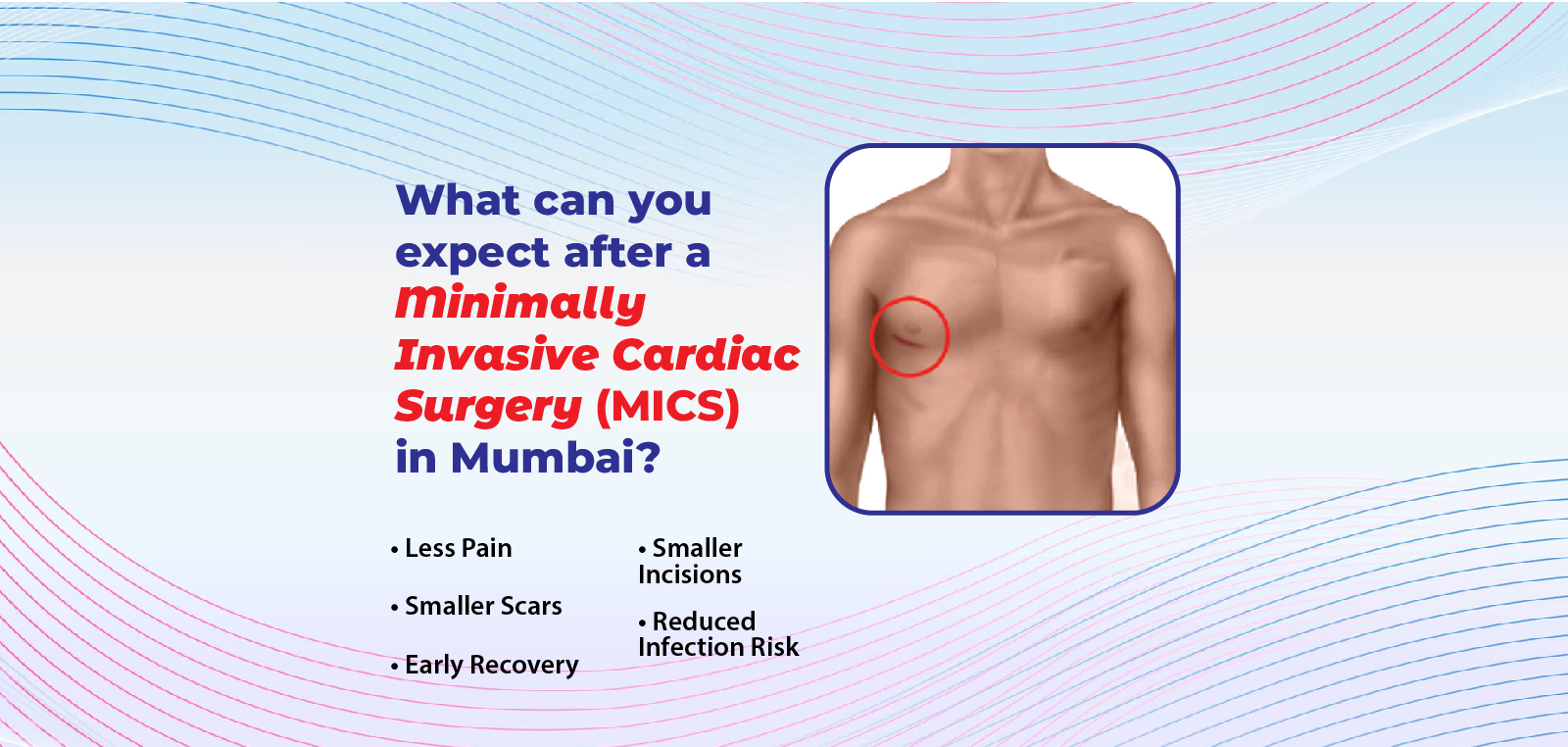
What Can You Expect After a Minimally Invasive Cardiac Surgery (MICS) in Mumbai?
What Can You Expect After a Minimally Invasive Cardiac Surgery (MICS) in Mumbai? Recovering from heart surgery can be a daunting experience, but with advancements in medical technology, procedures like Minimally Invasive Cardiac Surgery (MICS) have made the process significantly smoother and less intimidating. If you’re considering or have undergone MICS in Mumbai, it’s essential to know what to expect during your recovery journey. At Active Heart Clinic, under the expert guidance of Dr. Shridhar G. Padagatti, patients receive comprehensive care and support throughout their treatment and recovery process. Dr. Padagatti, a renowned Cardio Thoracic and Vascular Surgeon in Mumbai, brings extensive experience and expertise to the field, ensuring patients receive the highest standard of care. Understanding Minimally Invasive Cardiac Surgery (MICS) Before exploring the recovery process, it’s important to understand what MICS entails. Unlike traditional open-heart surgery, which requires a large incision through the breastbone (sternum), MICS involves smaller incisions between the ribs, reducing trauma to the body. This approach leads to numerous benefits, including reduced pain, shorter hospital stays, quicker recovery, and minimal scarring. Procedures commonly performed using MICS include: Heart Valve Repair and Replacement Coronary Artery Bypass Grafting (CABG) Closure of Congenital Heart Defects Atrial Fibrillation Correction With experienced surgeons like Dr. Shridhar G. Padagatti, patients can expect excellent outcomes and a more comfortable recovery experience. Immediate Post-Operative Period Hospital Stay After undergoing MICS in Mumbai, you will be transferred to the Intensive Care Unit (ICU) for close monitoring. The ICU stay is typically shorter compared to traditional surgery, often lasting less than 24 hours. Expectations during this period include: Monitoring Vital Signs: Healthcare professionals will continuously monitor your heart rate, blood pressure, and oxygen levels to ensure stability. Pain Management: You will receive medications to manage pain effectively. Most patients report experiencing less pain compared to traditional surgery due to smaller incisions. Breathing Support: You may have a breathing tube inserted during surgery, which is usually removed shortly after you wake up. Drainage Tubes: Small tubes may be placed near the incision sites to drain excess fluids, which are typically removed within a day or two. Transition to Regular Ward Once your condition stabilizes, you will be moved to a regular hospital room. The total hospital stay post-MICS generally ranges from 3 to 5 days, significantly shorter than the 7-10 days associated with open-heart surgery. During this phase: Mobilization: Nurses and physiotherapists will encourage you to start moving and walking as soon as possible to prevent complications like blood clots and improve lung function. Diet: You will gradually return to a normal diet, starting with liquids and progressing to solid foods as tolerated. Wound Care: Medical staff will guide you on how to care for your incisions to promote healing and prevent infection. Education: You will receive information on lifestyle modifications, medications, and follow-up appointments necessary for a successful recovery. Recovery at Home Recovering at home is a crucial phase where you continue to regain strength and return to your daily activities. Thanks to the minimally invasive nature of MICS, most patients experience a faster and smoother recovery. Physical Activity Gradual Increase: Begin with light activities such as short walks and gradually increase intensity as tolerated. Driving: Most patients can resume driving within 2 to 3 weeks, once they feel comfortable and no longer require pain medications. Returning to Work: Depending on the nature of your job, you may return to work within 3 to 4 weeks. Desk jobs allow for earlier return, while physically demanding jobs may require a longer recovery period. Exercise: Engage in cardiac rehabilitation programs as recommended by your doctor to improve cardiovascular health and build endurance. Wound Care and Healing Incision Care: Keep the incision sites clean and dry. Follow your doctor’s instructions regarding bathing and dressing changes. Monitoring for Infection: Watch for signs of infection such as redness, swelling, warmth, or discharge from the incision sites, and report any concerns to your healthcare provider immediately. Scarring: Due to smaller incisions, scarring is minimal and often becomes barely noticeable over time. Pain Management Medication: Continue taking prescribed pain medications as needed. Pain typically decreases significantly within the first week and continues to improve thereafter. Discomfort: Mild discomfort or soreness around the incision sites is normal and should gradually subside. Diet and Nutrition Heart-Healthy Diet: Adopt a balanced diet rich in fruits, vegetables, whole grains, lean proteins, and healthy fats to support healing and improve heart health. Hydration: Drink plenty of fluids to aid recovery. Weight Management: Maintain a healthy weight to reduce strain on your heart and prevent future complications. Emotional Well-being Mood Changes: It’s normal to experience mood swings or feelings of depression after surgery. These typically improve as you recover. Support System: Rely on family, friends, and support groups to help you through the recovery process. Professional Help: If emotional difficulties persist, consider consulting a mental health professional. Follow-up Care Regular Check-ups: Attend all scheduled follow-up appointments with your surgeon and cardiologist to monitor your recovery progress. Medication Management: Continue taking all prescribed medications and consult your doctor before making any changes. Lifestyle Modifications: Incorporate long-term lifestyle changes such as quitting smoking, reducing alcohol intake, managing stress, and maintaining regular physical activity. Potential Complications to Watch For While MICS is associated with fewer complications compared to traditional surgery, it’s essential to be aware of potential issues: Infection: Keep a close eye on incision sites and report any signs of infection promptly. Bleeding: Unusual bleeding should be reported immediately. Arrhythmias: Irregular heartbeats may occur but often resolve on their own or with medication. Breathing Difficulties: Seek medical attention if you experience shortness of breath or persistent coughing. Early detection and management of complications are vital for a successful recovery. Why Choose Active Heart Clinic and Dr. Shridhar G. Padagatti? At Active Heart Clinic, patients receive personalized and compassionate care throughout their cardiac treatment journey. Dr. Shridhar G. Padagatti, a leading CVTS surgeon in Mumbai, brings a wealth of knowledge and experience, having worked in several prestigious hospitals across Mumbai,
Top Reasons Why Heart Attacks Are Increasing in Indian Youth
Top Reasons Why Heart Attacks Are Increasing in Indian Youth In recent years, India has seen a troubling rise in heart attacks among its youth. Traditionally, heart disease was primarily a concern for those over 45, but today, individuals as young as 25-35 are increasingly at risk. This alarming trend has been attributed to several factors, many of which are linked to the rapid lifestyle changes brought about by modernization. Dr. Shridhar G. Padagatti, a highly respected cardiac and vascular surgeon at Active Heart Clinic, Mumbai, sheds light on the key reasons behind this concerning phenomenon and offers insights on how young Indians can safeguard their heart health. The Role of Diabetes India is often referred to as the diabetes capital of the world, with over 70 million people living with the condition, including a significant portion of the younger population. While genetics play a crucial role in the onset of diabetes, lifestyle factors such as poor diet and prolonged inactivity are accelerating the spread of this chronic disease among the youth. Diabetes is a major risk factor for heart disease. According to Dr. Padagatti, individuals with diabetes are more prone to developing cardiovascular conditions than those without. The excess glucose in the bloodstream can damage blood vessels and the nerves that control the heart, leading to complications such as heart attacks at a much younger age. Tobacco Consumption Tobacco use is another major contributor to the increasing incidence of heart attacks among Indian youth. Research indicates that 26% of cardiac diseases in people aged 30-44 are linked to tobacco use. The harmful chemicals in tobacco cause a build-up of plaque inside the blood vessels, leading to clots that can trigger strokes and heart attacks. Smoking, in particular, is responsible for about 16% of deaths caused by heart disease. Tobacco can narrow or thicken blood vessels, thereby increasing blood pressure and heart strain. Dr. Padagatti warns that even occasional smoking or exposure to secondhand smoke can significantly elevate the risk of heart disease. Unhealthy Dietary Habits The modern diet, high in saturated fats, sugars, and salts, is wreaking havoc on the cardiovascular health of young Indians. Fast food, processed snacks, and sugary beverages have become staples in the daily diet of many, leading to a rise in bad cholesterol levels. This puts additional strain on the heart, as it has to work harder to pump blood through narrowed or blocked arteries. Excessive salt intake, which is common in many Indian diets, also contributes to high blood pressure, a significant risk factor for heart disease. Combined with a lack of physical activity, these poor dietary habits are setting the stage for a surge in heart attacks among the youth. Inadequate Sleep In today’s fast-paced world, sleep is often sacrificed in favor of work, socializing, or screen time. However, inadequate sleep is a serious risk factor for heart disease. According to Dr. Padagatti, sleep deprivation disrupts the body’s mechanisms that regulate hunger, metabolism, and blood pressure, leading to obesity, diabetes, and hypertension – all of which are precursors to heart attacks. Young people who consistently get less than the recommended 7-8 hours of sleep are more likely to develop these conditions, which can severely impact their heart health over time. Chronic Stress The pressures of modern life – from career demands to social expectations – are leading to increased levels of chronic stress among the youth. Stress triggers the release of hormones like cortisol, which can raise blood pressure and cholesterol levels, contributing to the development of heart disease. Dr. Padagatti notes that chronic stress also often leads to unhealthy coping mechanisms such as smoking, overeating, or drinking alcohol, all of which further exacerbate the risk of heart attacks. Sedentary Lifestyle With the advent of technology and the rise of desk jobs, young Indians are spending more time sitting and less time engaging in physical activity. A sedentary lifestyle is a significant risk factor for heart disease, as it contributes to obesity, high blood pressure, and unhealthy cholesterol levels. Physical inactivity weakens the heart and reduces its efficiency, making it more susceptible to disease. Regular exercise, on the other hand, strengthens the heart, improves circulation, and helps maintain a healthy weight, all of which are crucial for preventing heart attacks. It’s Never Too Late to Make a Change A heart attack is a life-altering event that can be terrifying, especially for young individuals. However, it’s important to remember that many of the risk factors associated with heart disease are within your control. By making conscious lifestyle changes, you can significantly reduce your risk and protect your heart health. Dr. Shridhar G. Padgatti encourages young Indians to take proactive steps towards a healthier lifestyle. Incorporating regular exercise, a balanced diet, adequate sleep, and stress management into your daily routine can make a significant difference in your heart health. It’s never too late to start making positive changes. By taking care of your heart today, you can ensure a healthier, happier future. Challenge yourself to become the best version of yourself – your heart will thank you for it. About Active Heart Clinic – Dr. Shridhar G Padagatti : Active Heart Clinic, under the expert guidance of Dr. Shridhar G. Padagatti, is dedicated to providing comprehensive cardiac care. With a rich educational background and extensive experience across some of Mumbai’s most prestigious hospitals, Dr. Padagatti is recognized as one of the best cardio thoracic and vascular surgeons in the city. His commitment to patient care and excellence in cardiovascular surgery has made him a trusted name in the field. If you or a loved one are concerned about heart health, especially in light of the rising incidence of heart attacks among the youth, Dr. Padagatti and the team at Active Heart Clinic are here to help. With the right guidance and care, you can take control of your heart health and live a longer, healthier life. Address – 001, Himath Ghar. Plot No. 539-A Opp Khatri Manzil 13th Road Khar (W) Email: drshridhargpadagatti@gmail.com Contact
- 1
- 2