Bypass Surgery Outcomes: What Determines Long-Term Success?
May 12, 2026
admindrshridhar
0 Comments
Bypass Surgery Outcomes: What Determines Long-Term Success?
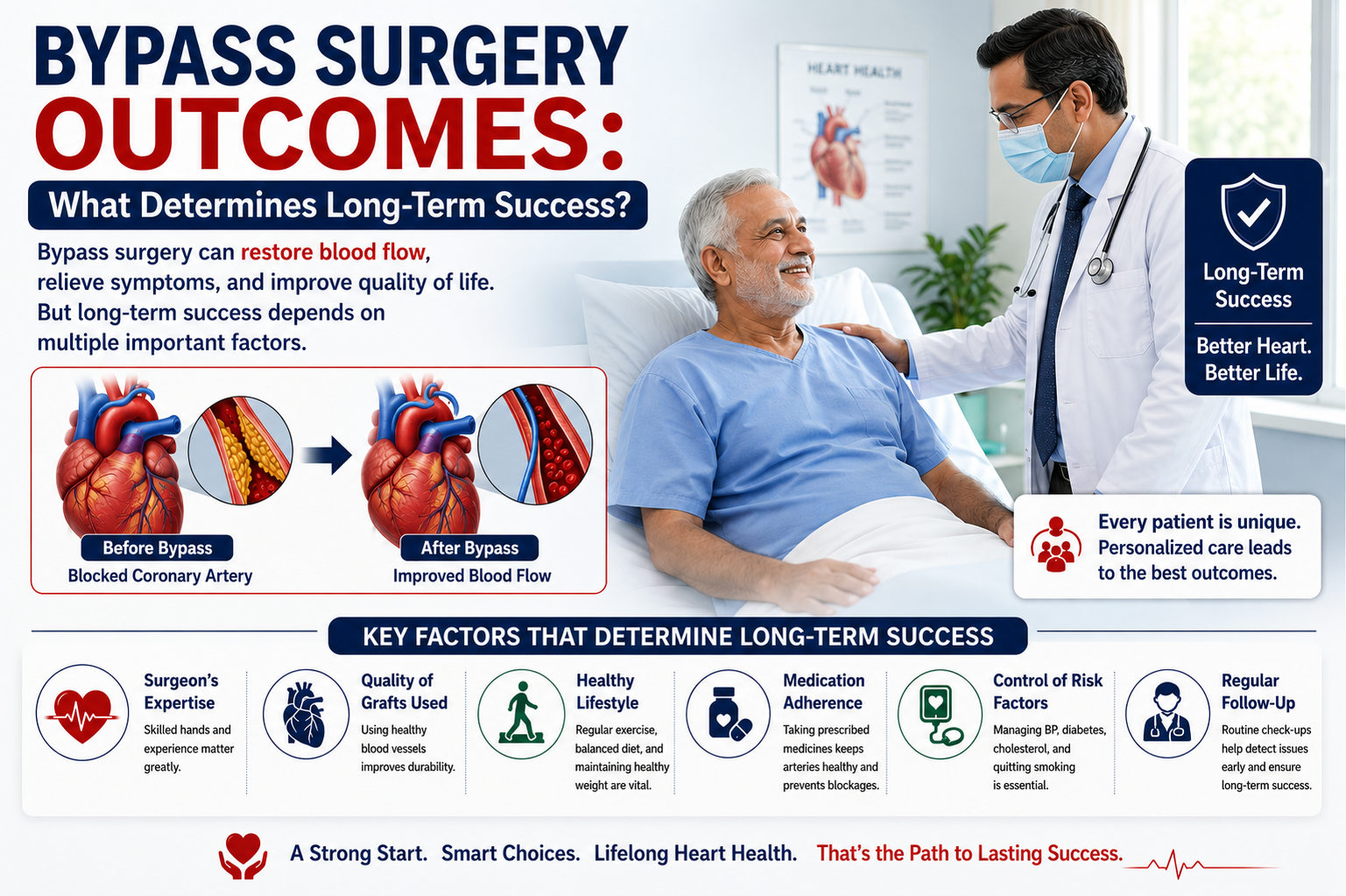
Bypass surgery, also known as Coronary Artery Bypass Grafting (CABG), is one of the most commonly performed heart surgeries worldwide. It helps restore healthy blood flow to the heart by creating a new pathway around blocked coronary arteries. For many patients, bypass surgery relieves chest pain, improves quality of life, and significantly reduces the risk of heart attack.
However, the success of bypass surgery is not determined by the operation alone. Long-term outcomes depend on several important factors before, during, and after surgery. Understanding these factors can help patients achieve better recovery and protect their heart health for years to come.
What Is Bypass Surgery?
In bypass surgery, a cardiac surgeon uses a healthy blood vessel—usually taken from the leg, chest, or arm—to bypass blocked coronary arteries and improve blood supply to the heart muscle.
CABG is typically recommended for:
Severe coronary artery disease
Multiple blocked arteries
Reduced blood flow to the heart
Patients not suitable for angioplasty or stenting
The surgery can dramatically improve survival and heart function, especially in high-risk patients.
Factors That Determine Long-Term Success After Bypass Surgery
1. Overall Heart Function Before Surgery
Patients with stronger heart muscle function generally experience better long-term outcomes.
If surgery is performed early—before major heart damage occurs—the chances of recovery and long-term heart performance improve significantly.
Delaying treatment may reduce the heart’s pumping ability and increase future complications.
2. Surgeon’s Expertise and Surgical Technique
The experience and skill of the cardiac surgeon play a critical role in bypass surgery outcomes.
Advanced techniques such as:
Off-pump bypass surgery
Total arterial grafting
Minimally invasive approaches
can improve graft durability and reduce complications in selected patients.
A well-planned surgery helps ensure smooth blood flow and long-term graft function.
3. Quality of the Blood Vessel Grafts
The long-term success of bypass surgery also depends on the type and quality of grafts used.
Arterial grafts, especially from the chest wall (internal mammary artery), often remain open longer than vein grafts and provide better long-term results.
Healthy grafts improve circulation and reduce the chances of repeat blockages.
4. Lifestyle Changes After Surgery
Bypass surgery treats blocked arteries but does not cure the underlying disease process.
Without healthy lifestyle changes, plaque buildup can continue in both native arteries and grafts.
Important lifestyle modifications include:
Quitting smoking
Eating a heart-healthy diet
Exercising regularly
Maintaining healthy weight
Managing stress
Patients who adopt healthier habits generally experience longer-lasting surgical benefits.
5. Control of Risk Factors
Chronic medical conditions must be carefully managed after surgery.
These include:
Diabetes
High blood pressure
High cholesterol
Obesity
Poor control of these conditions increases the risk of future artery blockages and heart complications.
Regular monitoring and medications are essential for long-term success.
6. Medication Adherence
After bypass surgery, medications help protect the heart and prevent complications.
Patients may be prescribed:
Blood thinners
Cholesterol-lowering medications
Blood pressure medicines
Diabetes medications
Skipping medications can increase the risk of graft failure, heart attack, or stroke.
7. Participation in Cardiac Rehabilitation
Cardiac rehabilitation programs are designed to help patients recover safely and improve cardiovascular health.
These programs include:
Supervised exercise
Nutrition guidance
Stress management
Lifestyle counseling
Studies show that patients who complete cardiac rehab often recover faster and have better long-term outcomes.
8. Regular Follow-Up Care
Routine follow-ups help doctors monitor:
Heart function
Blood pressure
Cholesterol levels
Symptoms of recurrent blockage
Early detection of problems allows timely treatment and prevents complications.
Ignoring follow-up care may delay diagnosis of recurring heart disease.
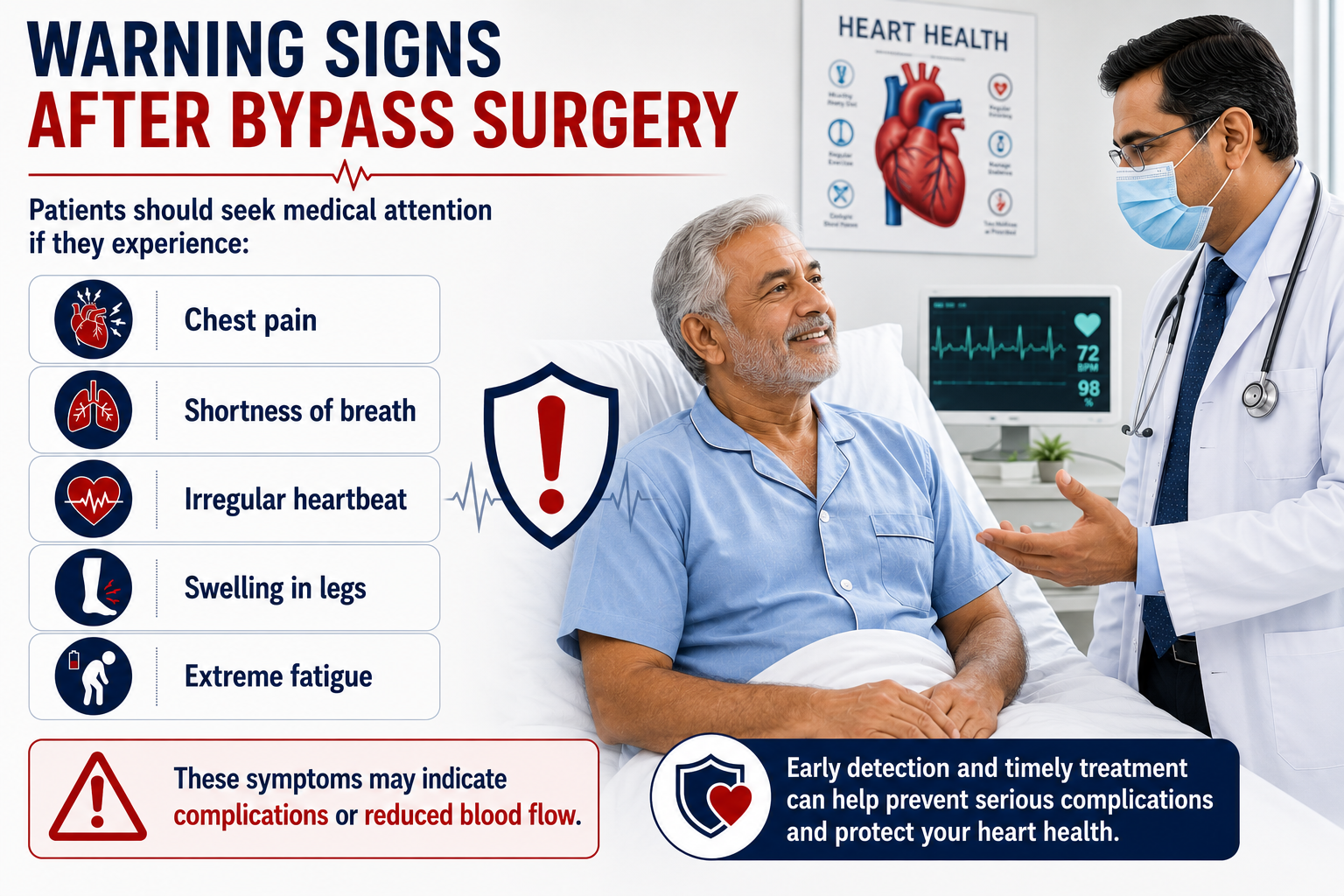
Warning Signs After Bypass Surgery
Patients should seek medical attention if they experience:
Chest pain
Shortness of breath
Irregular heartbeat
Swelling in legs
Extreme fatigue
These symptoms may indicate complications or reduced blood flow.
Regular follow-ups are important and may vary depending on the patient’s condition, medications, and overall heart health.
Final Thoughts
Bypass surgery can be life-saving and highly effective, but long-term success depends on much more than the operation itself. Early treatment, experienced surgical care, healthy lifestyle changes, medication adherence, and regular follow-up all work together to protect heart health over time.
Patients who actively participate in their recovery journey often enjoy better quality of life, improved heart function, and reduced risk of future cardiac events.
Leave a Comment